Listening to the Digital Self: Kelsey Cruz-Martin at g39
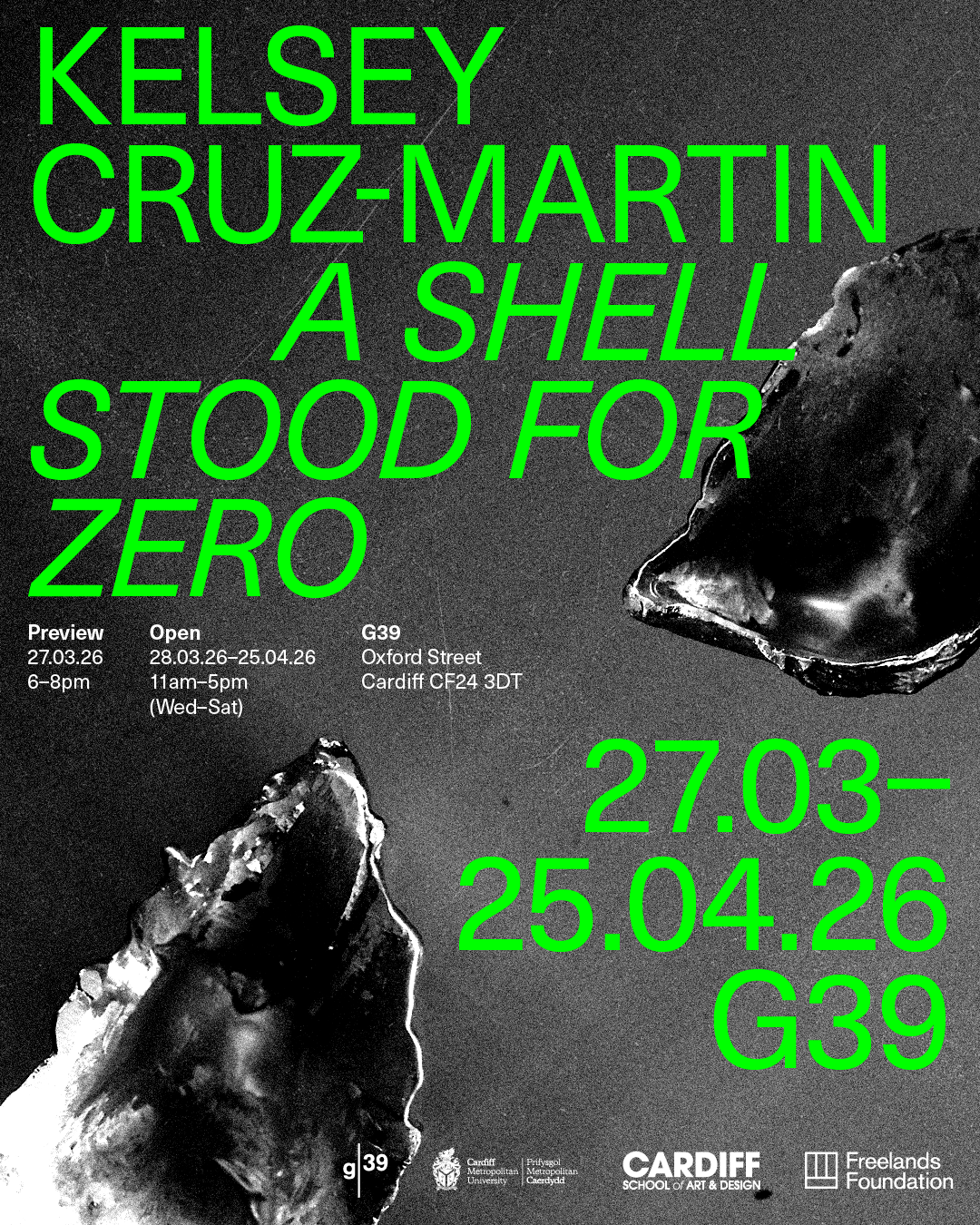
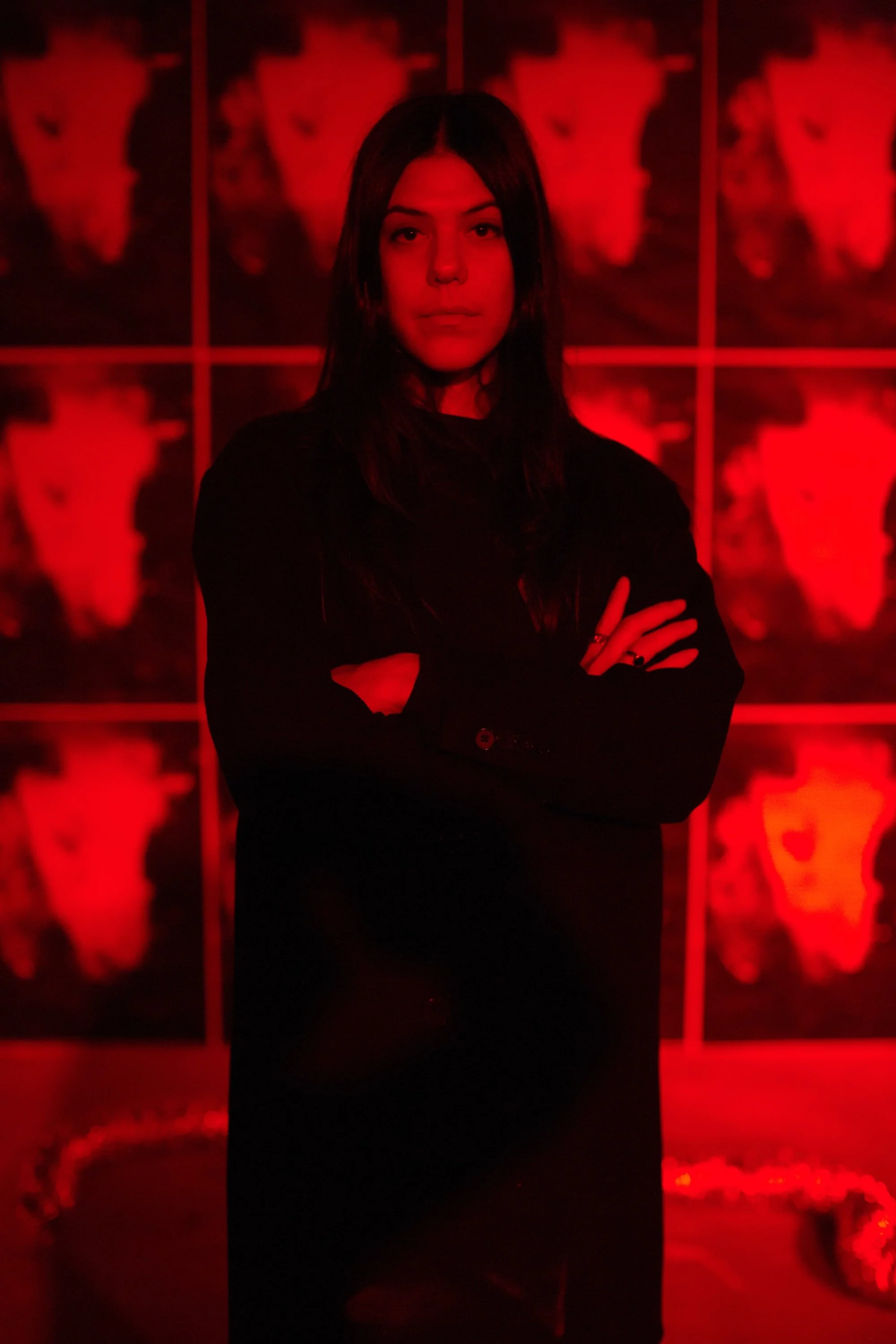
This spring, g39 presents A Shell Stood for Zero, a striking solo exhibition by multidisciplinary artist Kelsey Cruz-Martin. Running from 28 March to 25 April 2026 (Wednesday to Saturday, 11am–5pm), the exhibition brings together sculpture and sound in an immersive installation that explores the shifting boundaries between the physical body and digital existence.
Developed during Cruz-Martin’s year-long Freelands Fellowship at Cardiff Metropolitan University, the exhibition feels both timely and quietly disquieting. At its core is a question that resonates far beyond the gallery walls: how much of ourselves already exists beyond the body, in data, devices, and digital space?
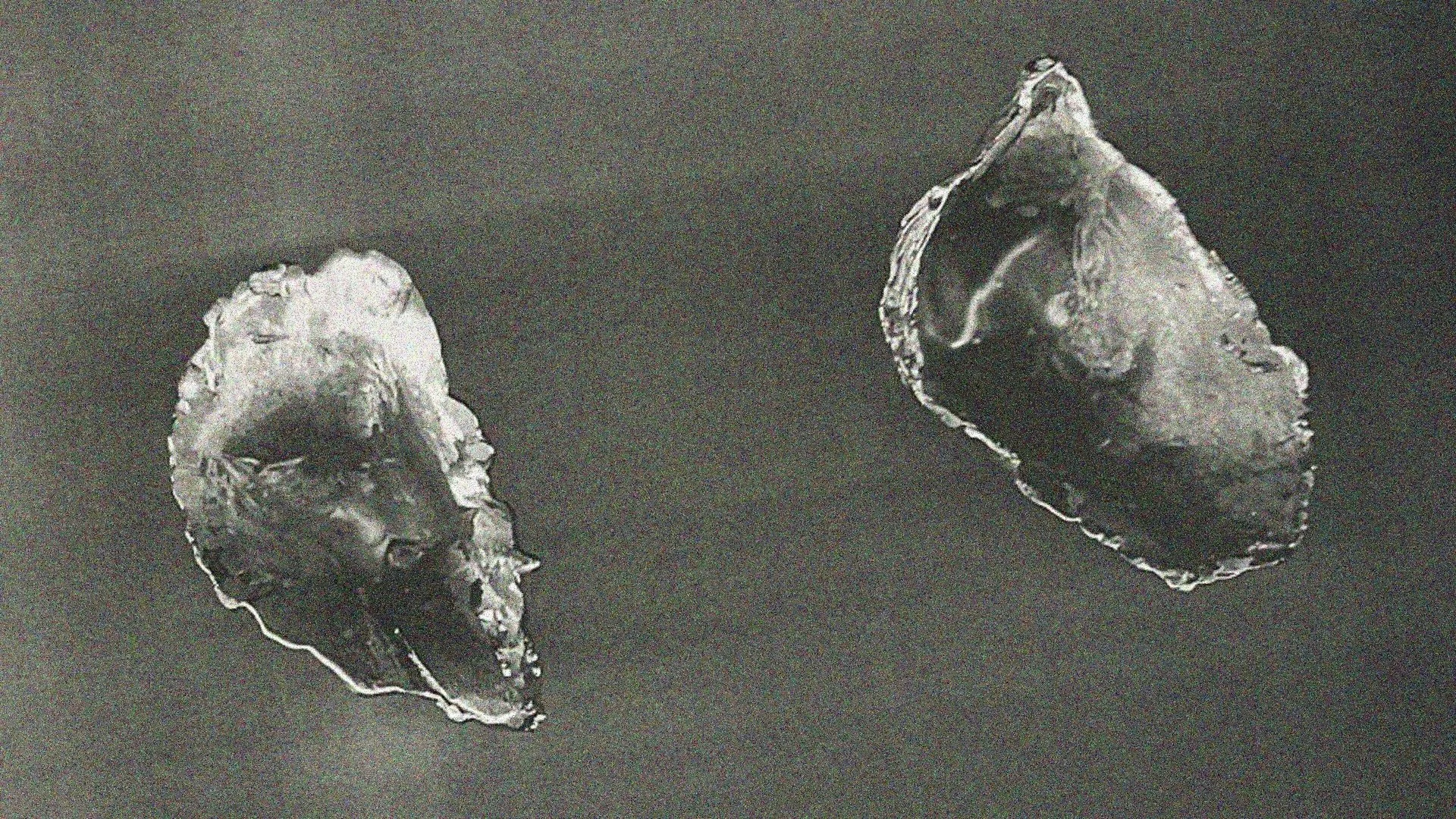
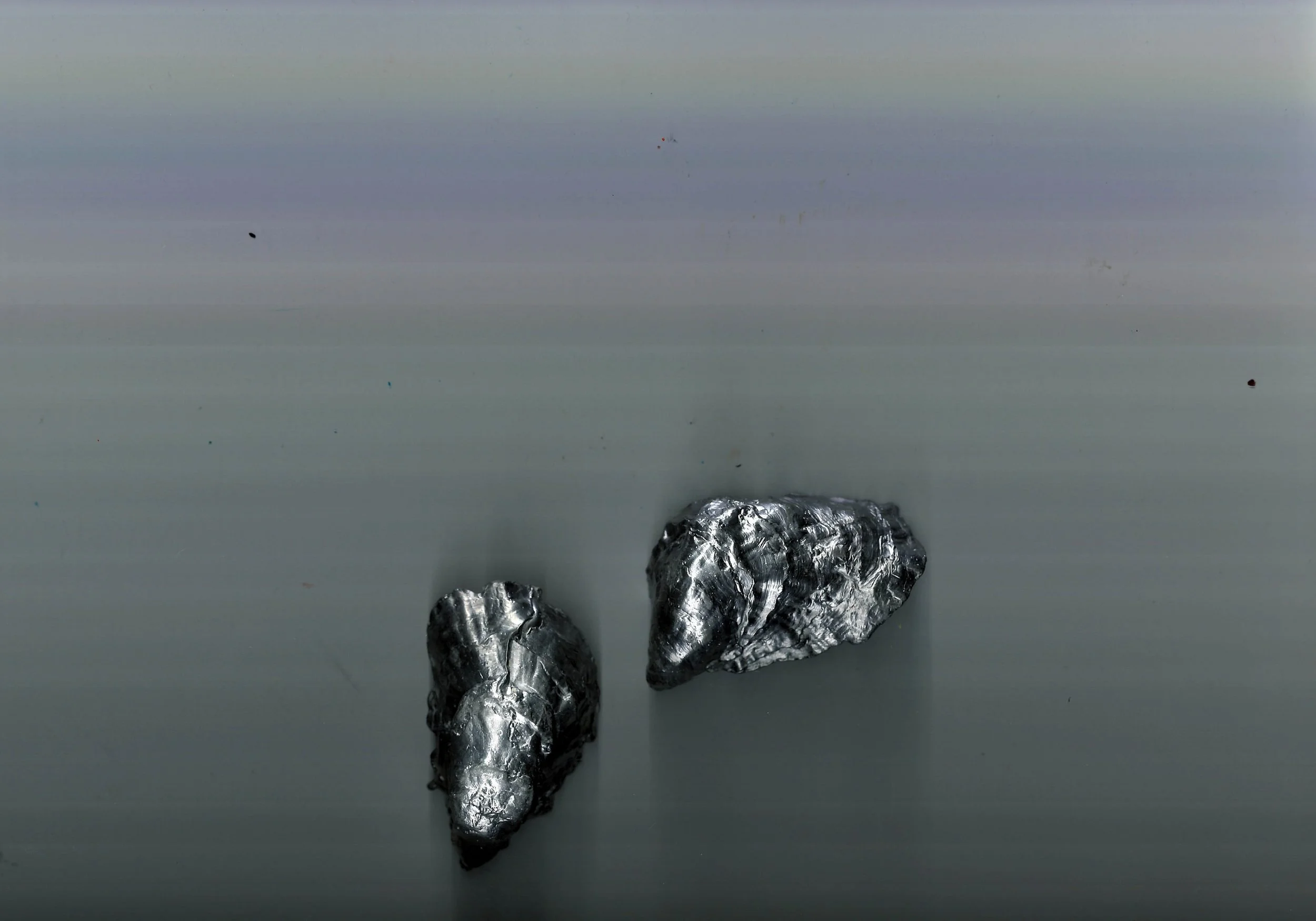
The installation unfolds through a series of sculptural works that are at once familiar and strange. Cast aluminium ears—taken from the artist’s own body—anchor the exhibition, capturing an intimate threshold between inner and outer worlds. These forms, alongside shell-like structures produced through ceramic processes and lost-wax casting, echo the human body without ever fully resolving into it. They suggest armour, protection, and vulnerability all at once—objects that feel both ancient and uncannily futuristic.
Sound plays an equally vital role. In collaboration with Rod Brakes, Cruz-Martin introduces an intimate audio element that invites visitors to listen closely—both physically and conceptually. Using their own mobile devices, audiences can access a message from the artist’s so-called “Digital Twin”, a layered construct shaped by personal data and technological interaction. It’s not a replica, but something more fluid and ambiguous: an evolving extension of the self.
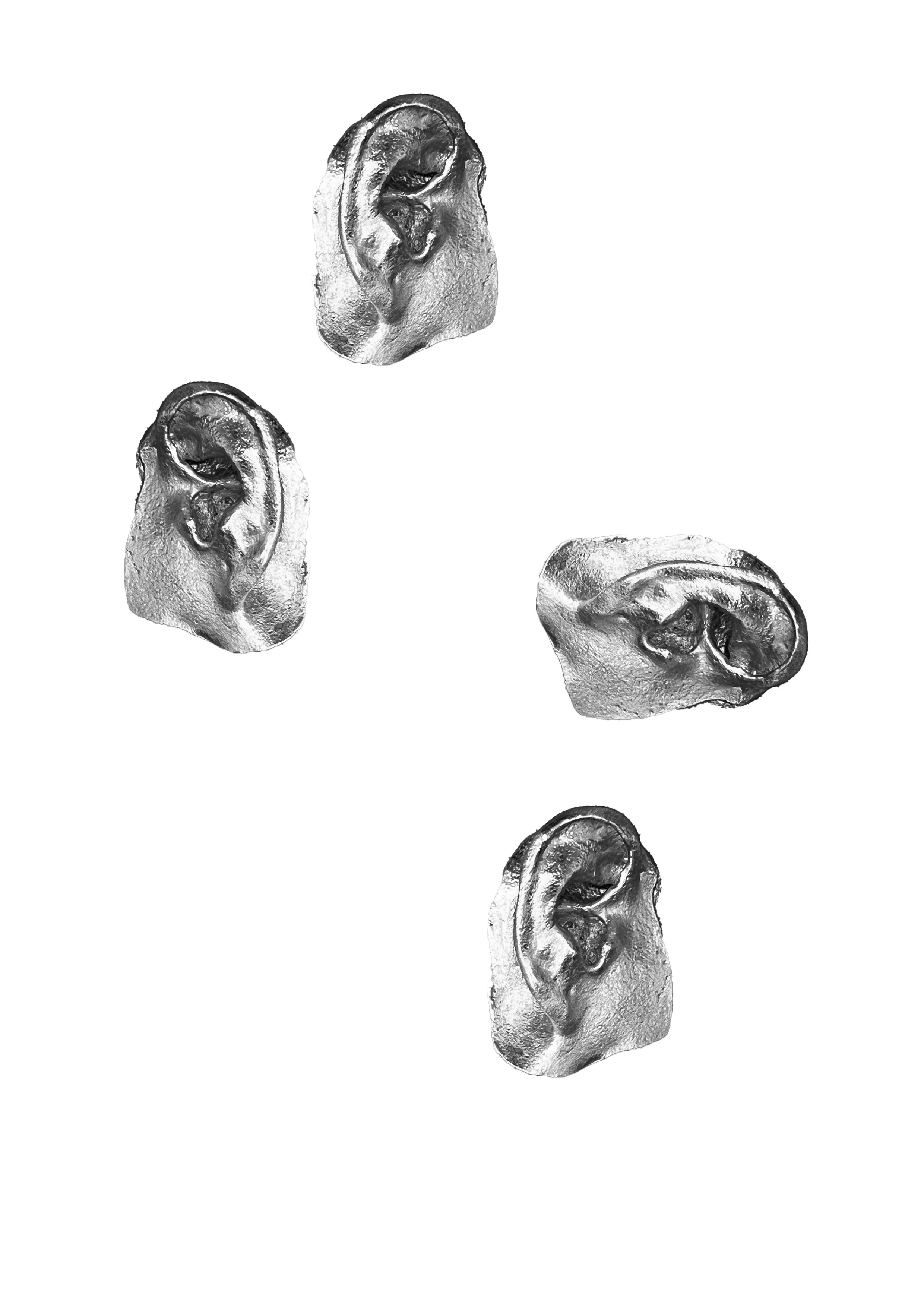
This interplay between object and audio draws attention to the act of listening as a present, embodied experience. The ear becomes a central motif—not just as a physical form, but as a symbolic meeting point between public and private, sender and receiver. Through this lens, the exhibition reframes attention itself as something tangible, even vulnerable.
Material choices deepen the narrative. Aluminium—referencing both the artist’s Western Australian roots and the infrastructures underpinning contemporary technology—sits in tension with Perspex and traditional casting techniques. The result is a layered conversation between industry and craft, permanence and transformation, the natural and the manufactured.
Thematically, A Shell Stood for Zero resists easy conclusions. Instead, it offers a space for reflection—on identity, authorship, and the increasingly porous boundary between human and machine. Drawing on a wide range of cultural and literary influences, from William S. Burroughs to Clarice Lispector, Cruz-Martin situates her work within a broader, cross-disciplinary dialogue about language, control, and the evolution of the self.
An accompanying essay, Vocal Disarmour by Samra Mayanja, further expands on these ideas, reflecting on the artist’s practice and the experience of the fellowship that shaped this body of work.
Rather than offering definitive answers, the exhibition invites visitors to sit with uncertainty—to consider what it means to exist simultaneously as a physical and digital being, and whether something essential is altered in the process. It’s a compelling and thought-provoking presentation that positions g39 once again at the forefront of contemporary art in Wales.