Dog Man, Dyslexia and the Power of Words: Why Aneirin Karadog Believes Stories Belong to Everyone
As Dog Man The Musical arrives at Wales Millennium Centre, Welsh poet and translator Aneirin Karadog reflects on dyslexia, creativity, Welsh language publishing and the surprising journey that brought one of the world's most beloved children's characters into Welsh.
For millions of children around the world, Dog Man is a superhero unlike any other. Part dog, part police officer and entirely chaotic, the character created by Dav Pilkey has become a global literary phenomenon, inspiring children to read through humour, imagination and a healthy dose of absurdity.
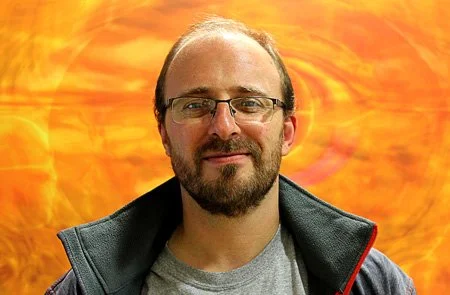
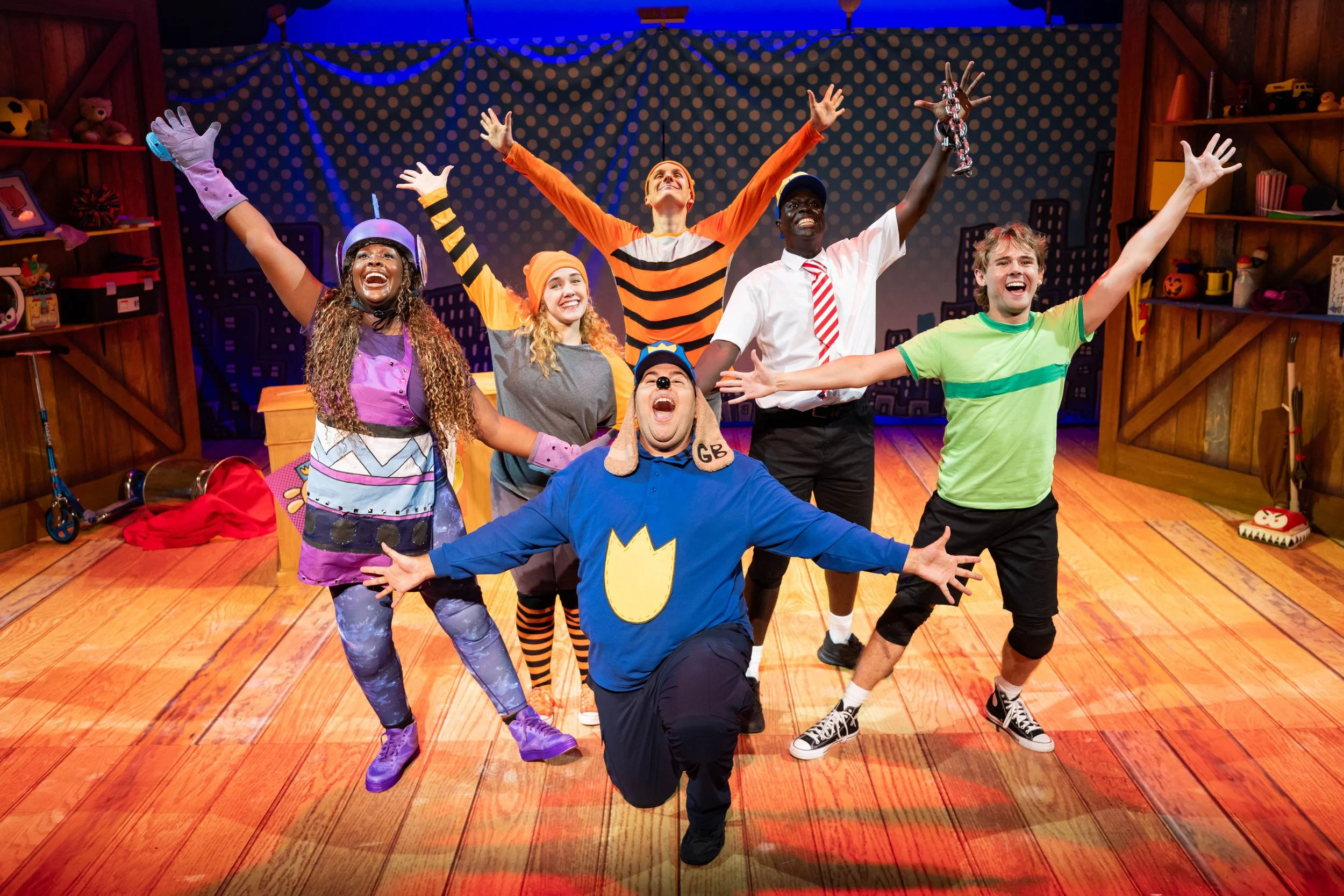
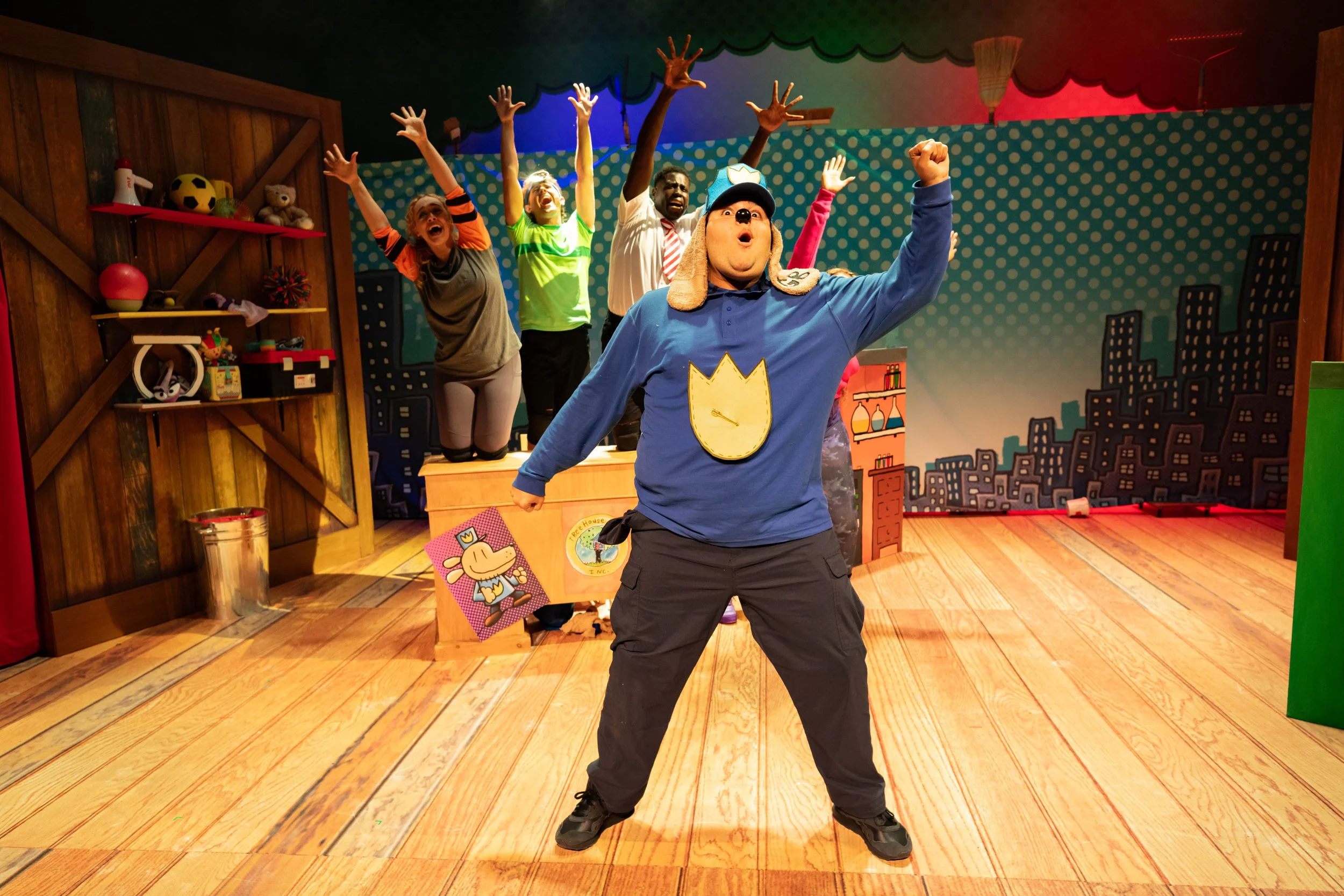
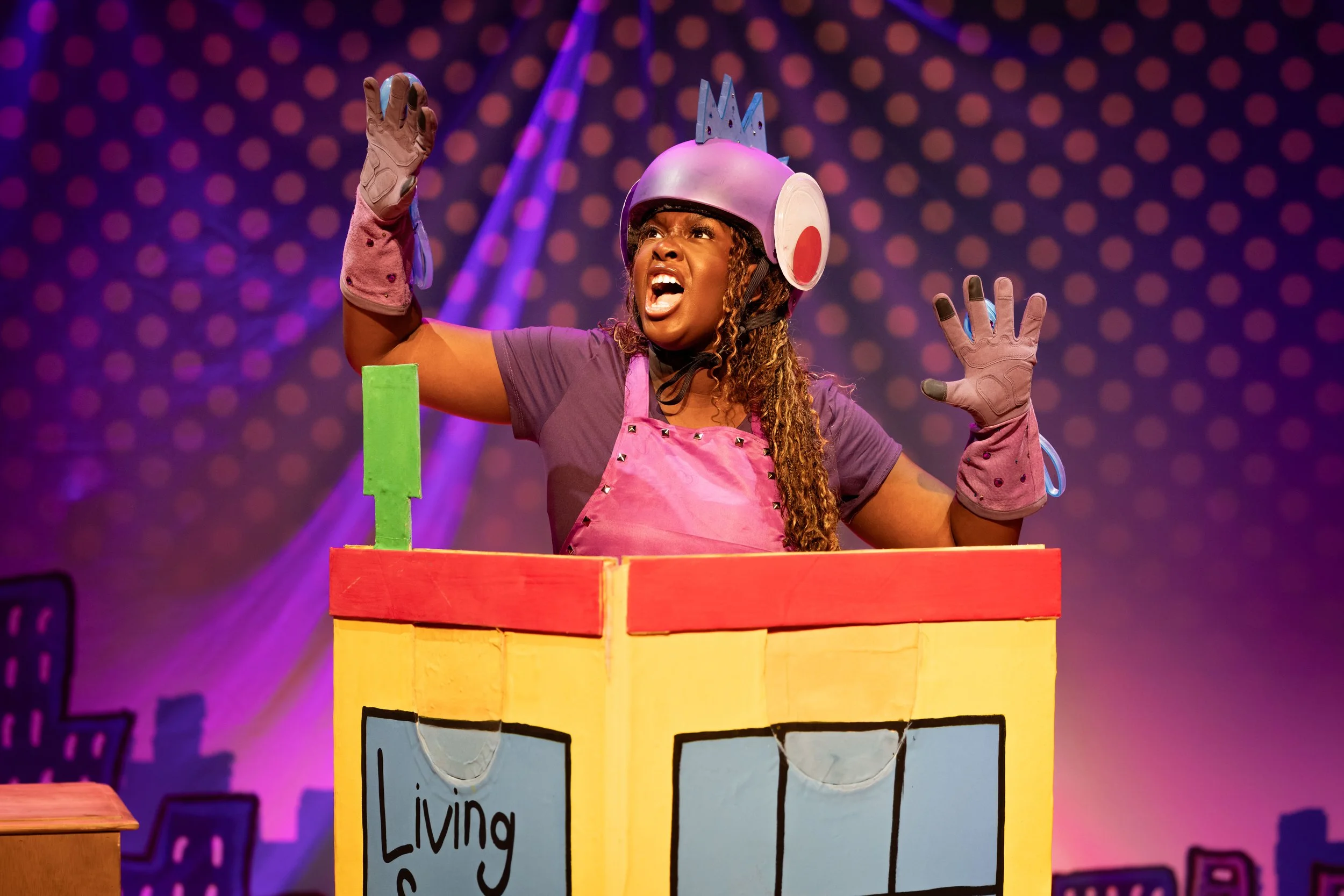
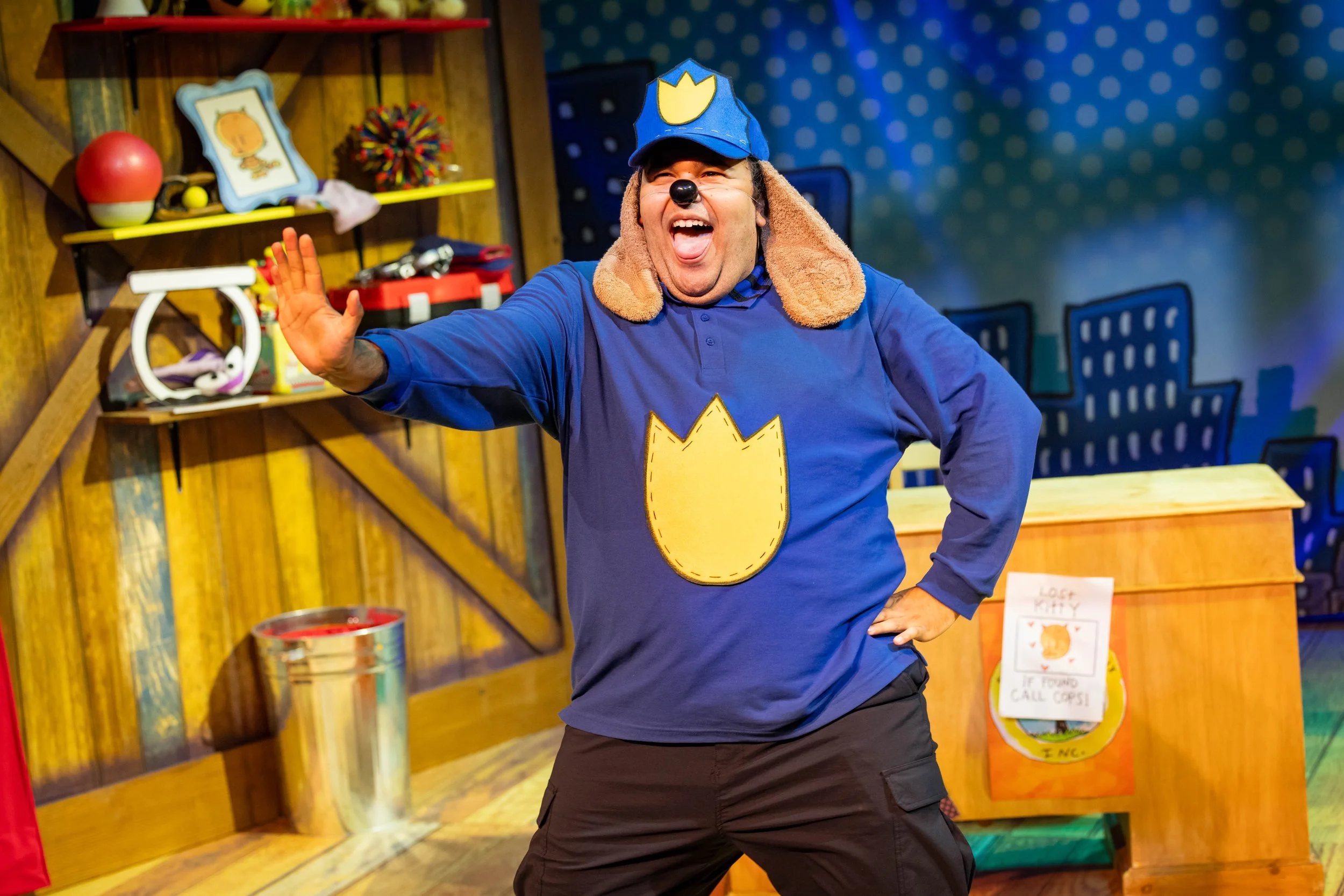
Now, as Dog Man The Musical arrives at Wales Millennium Centre, the character is finding new life in Welsh thanks to poet, writer and translator Aneirin Karadog, whose adaptation Penci introduces the canine crime-fighter to Welsh-speaking audiences.
But behind the laughs and comic-book adventures lies a deeper story about language, creativity and neurodiversity.
Karadog knows that story better than most.
Diagnosed with dyslexia while studying at Oxford University, the award-winning poet says the diagnosis helped explain challenges he had experienced throughout his education, while also revealing strengths that have shaped his career as a writer.
"I found it difficult accepting the label at first," he tells The Edit.
It was only after beginning to struggle academically during his degree that a tutor suggested he undergo a dyslexia assessment. The process itself was exhaustive.
"It was a four-hour intensive test looking at how the brain perceives things and how I deal with letters and literacy."
The results confirmed what he had never fully understood about himself.
"What dyslexia is, my understanding is that the brain is processing things too quickly for the rest of the body to catch up."
For many people, receiving a diagnosis can feel limiting. For Karadog, it ultimately offered clarity.
“It’s a poet’s job. We deal in words. We specialise in the minutiae of words.”
During university, practical adjustments such as using computers in exams and having additional time made a significant difference. But the experience also helped him better understand why poetry had always felt like home.
"I think that's why I love poetry. I can concentrate on two words in a line or a poem."
Unlike large blocks of text, poetry offered space. Breathing room. The opportunity to focus intensely on language without becoming overwhelmed by it.
Today, Karadog is one of Wales' most respected contemporary poets, proving that dyslexia is far from a barrier to creativity.
In fact, it may well be part of the reason his relationship with language is so rich.
The Dav Pilkey Connection
The connection to Dog Man feels particularly fitting.
Original creator Dav Pilkey has spoken openly about his own experiences with ADHD and dyslexia. Famously, Pilkey spent time sitting outside his classroom as a child after being removed for disruptive behaviour. Rather than seeing that time as punishment, he used it to draw and invent stories.
Those stories eventually became Captain Underpants and later Dog Man.
Karadog sees clear value in celebrating these creative journeys.
As discussions around ADHD and dyslexia become more visible, many families are recognising experiences that previously went undiagnosed for years.
That reality is also personal for him.
His own son has recently been diagnosed with ADHD, bringing an additional perspective to conversations around neurodiversity, education and creativity.
Rather than viewing these diagnoses solely through a deficit-based lens, both Pilkey's work and Karadog's experience suggest something more nuanced: that different ways of thinking can often unlock different ways of creating.
From Poet to Dog Man
While poetry remains at the heart of Karadog's work, the modern creative economy demands versatility.
Like many artists, he has built a portfolio career that stretches beyond a single discipline.
"I've found myself doing copywriting, Welsh copywriting, working with PR companies. I've found myself adapting books."
That adaptability eventually led to his collaboration with Welsh publisher Rily and the world of Dog Man.
"I've done a dozen books in verse for Rily," he explains. "Then Rily asked me to do Dog Man."
On paper, translating Dog Man sounds simple.
In reality, it is anything but.
Children's books thrive on wordplay, visual humour, cultural references and jokes that often rely on the quirks of American English. Every speech bubble comes with limited space, meaning translators must balance accuracy, readability and humour simultaneously.
"There are a lot of Americanisms in there," Karadog says. "American English can be more versatile and snappy, and then you've got a limited space inside a speech bubble."
The challenge wasn't simply translation.
It was recreation.
Creating Penci
Perhaps the biggest decision involved the title itself.
How do you translate Dog Man into Welsh?
Karadog considered several possibilities before landing on Penci.
"It literally comes from pen, meaning head, and ci, meaning dog."
But there was more to it than that.
In parts of North Wales, "penci" can also be used as a mildly teasing, affectionate term.
"It's got a cute factor. An endearing quality."
That additional layer made it feel right for the character.
The choice was ultimately approved by both the original publishers and Dav Pilkey himself, allowing Dog Man to become Penci for Welsh readers.
It's the kind of linguistic puzzle Karadog clearly relishes.
After all, this is a writer who has also worked on Welsh adaptations connected to major global brands and franchises, helping create Welsh-language versions of characters already beloved by children around the world.
For him, it's all part of the same craft.
"It's a poet's job. We deal in words. We specialise in the minutiae of words."
Why Welsh-Language Stories Matter
Karadog is passionate about ensuring young readers can access stories in Welsh, especially stories that sit within mainstream popular culture.
For decades, Welsh-language publishing has worked to ensure children can enjoy everything from original stories to adaptations of international favourites in their own language.
It sends an important message.
Welsh is not simply a language of classrooms, heritage or history.
It's a living language capable of containing superheroes, villains, jokes, adventures and all the wonderfully ridiculous situations that make Dog Man so appealing.
The arrival of Penci is part of that wider evolution.
Whether it's Star Wars, Batman, Disney or Dog Man, bringing globally recognised characters into Welsh helps ensure the language remains visible and relevant in contemporary childhood.
And perhaps most importantly, it gives Welsh-speaking children the chance to laugh in their own language.
Creativity in a Digital Age
Like many writers, Karadog has also spent time reflecting on the arrival of artificial intelligence and its growing impact on the creative industries.
His approach is notably measured.
Rather than viewing AI as an outright threat, he sees it as another tool that creatives will need to learn how to work alongside.
"I think we have to accept that AI is here."
Much as digital tools transformed visual art and publishing, AI may help creators save time on practical tasks, creating more opportunities to focus on genuinely creative work.
The concern, he says, is not the technology itself.
It's honesty.
"The dishonesty is not a nice aspect of it. If people claim something is their work when it's been done by AI, that's different."
For a poet whose career revolves around the precision and craft of language, authenticity still matters.
Technology can support creativity.
It should never replace it.
A Life Built Around Words
As our conversation unfolds, one thing becomes abundantly clear.
Karadog doesn't just write poetry.
He lives it.
Alongside his books, workshops and translation projects, he co-hosts the Welsh-language poetry podcast Clera, which this year celebrates its tenth anniversary.
The podcast takes its name from an old Welsh tradition in which poets would travel from place to place, supported by patrons and communities while sharing their work.
The modern version may be digital, but the spirit remains the same.
Conversation. Language. Curiosity.
And perhaps that's why Dog Man feels like such a natural fit.
On the surface, it's a story about a half-dog, half-human police officer who stumbles from one bizarre adventure to another.
But beneath that silliness lies something more profound: the idea that imagination matters, that different minds think differently, and that creativity can thrive in unexpected places.
Dav Pilkey discovered that in a school corridor.
Aneirin Karadog found it through poetry.
And now, thanks to Penci, a new generation of Welsh readers can discover it too.
Dog Man The Musical is at Wales Millennium Centre for a limited run. Welsh-language editions of Dog Man, translated by Aneirin Karadog as Penci, are available now from Rily Publications.
Listen to the Full Conversation earlier at Wales Millennium Centre Below