Annwn Prize 2026: A Landmark Night for Immersive Storytelling and the Future of Arts in Wales
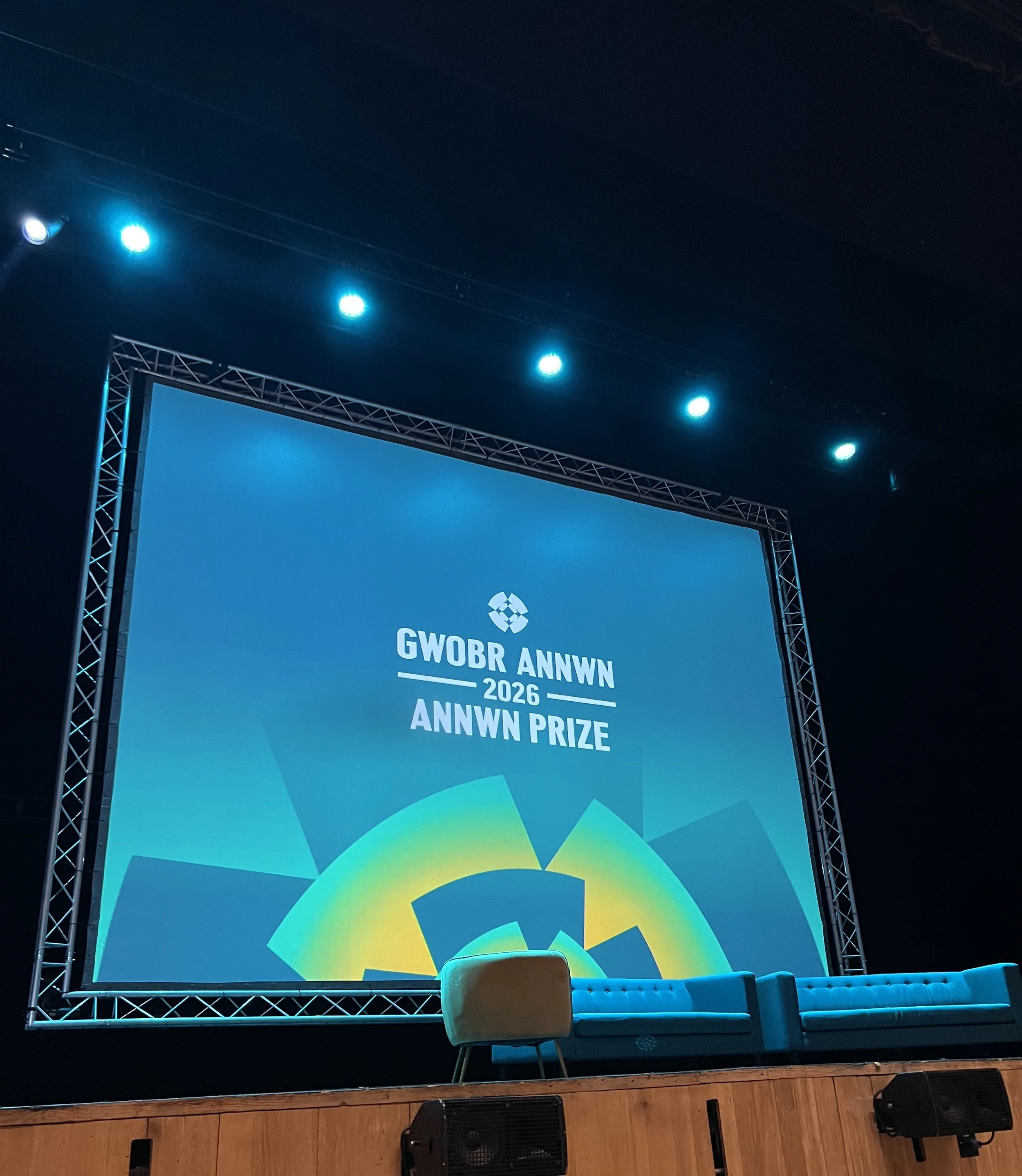
Last night, I had the privilege of attending what felt like a genuinely historic moment for the arts: the inaugural Annwn Prize awards ceremony. Hosted by broadcaster Alex Jones, the event marked the launch of the world's first global award dedicated exclusively to immersive storytelling, celebrating artists and creators who are redefining how audiences experience narrative through emerging technologies such as augmented reality (AR), virtual reality (VR), and expanded cinema.
Held under the vision of Wales Millennium Centre, the Annwn Prize represents a significant step forward in recognising immersive art as one of the most exciting and influential creative disciplines of our time. More importantly, it signals that Wales is positioning itself at the forefront of this rapidly evolving cultural movement.
As someone passionate about both the arts and Wales' creative future, the evening felt deeply significant.
Celebrating Excellence in Immersive Art
The Annwn Prize was launched in 2025 to honour exceptional works that place audiences at the centre of the story. Rather than observing from a distance, immersive experiences invite participants to step inside narratives, blurring the boundaries between theatre, film, gaming, technology and live performance.
The distinguished 2026 jury reflected the breadth and ambition of the award. Chaired by Wales Millennium Centre Chairman Peter Swinburn, the panel included artist, filmmaker and musician Larry Achiampong; critic and writer Arifa Akbar; culture and creative industries leader Sir Peter Bazalgette; musician and community builder Charlotte Church; and writer-director Charlotte Regan.
Together, they selected a winner that perfectly demonstrated the transformative potential of immersive storytelling.
Coloured (Noire): A Powerful Winner with Real-World Impact
The winner of the Annwn Prize 2026 was Coloured (Noire), an extraordinary immersive augmented reality and theatrical experience created by Pierre-Alain Giraud, Tania de Montaigne, Stéphane Foenkinos and Novaya.
The work tells the story of Claudette Colvin, the 15-year-old Black teenager who refused to give up her seat on a segregated bus in Alabama in 1955, several months before Rosa Parks' more widely known act of resistance.
Using Microsoft HoloLens headsets, audiences are transported directly into the realities of racial segregation in 1950s America. Rather than simply learning about history, participants experience it from within, creating a powerful emotional connection to Colvin's story and legacy.
During his acceptance speech, Pierre-Alain Giraud shared something that perfectly captured why immersive storytelling matters. Since the creation and success of Coloured (Noire), Claudette Colvin's story has been incorporated into the French history curriculum, and a building has been named in her honour.
It was a remarkable reminder that immersive art is not merely an experimental creative medium. It can shape public understanding, influence education, preserve overlooked histories and generate meaningful social impact.
For anyone questioning whether emerging creative technologies can change the world, this was a compelling answer.
Why Immersive Storytelling Matters More Than Ever
One of the most inspiring aspects of the evening was the sense that we are witnessing the emergence of a new artistic language.
As audiences increasingly seek experiences that are interactive, participatory and emotionally engaging, immersive storytelling offers something traditional formats cannot. It allows people to become active participants rather than passive observers.
Whether through augmented reality, virtual reality, mixed reality or location-based experiences, immersive creators are finding innovative ways to connect people with stories, ideas and communities.
The success of Coloured (Noire) demonstrates that these technologies are not gimmicks. When used thoughtfully, they become powerful tools for empathy, education and social change.
The Annwn Prize recognises this reality and provides a vital platform for artists working at the intersection of creativity and technology.
A Proud Moment for Wales
As a Welsh person, perhaps the strongest feeling I took away from the evening was pride.
At a time when audiences are changing how they engage with culture and storytelling, it was incredibly encouraging to see Wales not only embracing these new art forms but actively championing them on a global stage.
For many years, conversations about immersive technology have often centred on major international hubs. Last night's ceremony demonstrated that Wales is helping to lead the conversation.
The establishment of the Annwn Prize shows confidence in the future of immersive arts, confidence in Welsh creativity and confidence in the artists who are pushing boundaries and experimenting with new ways of telling stories.
More than an awards ceremony, the event felt like a declaration of intent.
It was a statement that immersive storytelling deserves recognition alongside film, theatre and literature. It was a celebration of artists creating meaningful experiences through technology. And it was a reminder that Wales continues to be a place where innovation and culture thrive together.
If last night was any indication, the future of immersive storytelling is incredibly bright — and Wales intends to be a key part of that future.