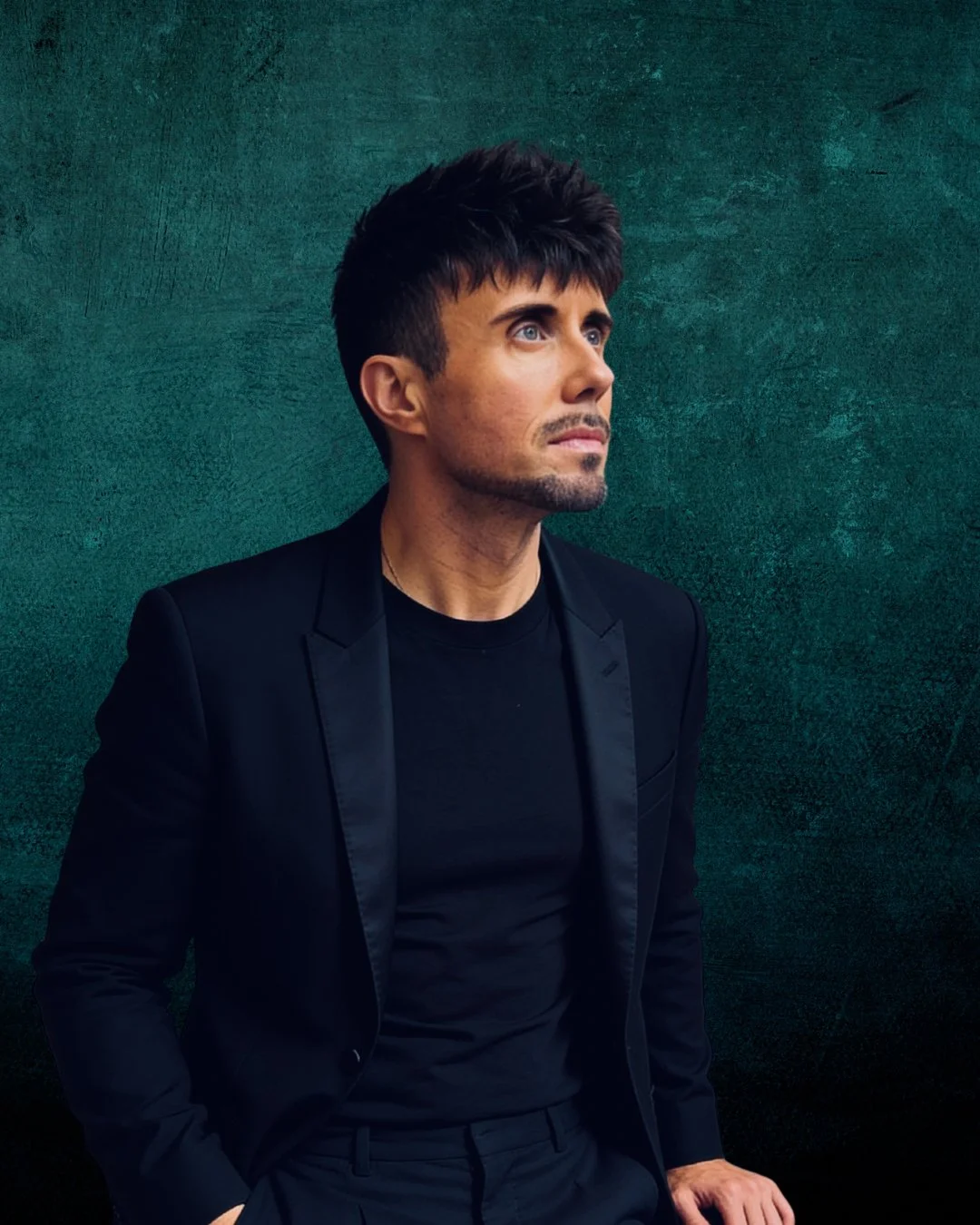
As the curtain comes down on the 20th Anniversary Iris Prize LGBTQ+ Film Festival, one of the most anticipated screenings arrives with both a Welsh premiere and a major star attached. Black Church Bay, a dark and atmospheric new thriller from writer-director Reece Hall, serves as the festival's closing film, bringing Heartstopper and Agatha All Along star Joe Locke to Cardiff for a special celebration of queer cinema.
Speaking ahead of the screening, Locke shared his thoughts on the film's unsettling themes, the importance of complex LGBTQ+ representation, and why stories like Black Church Bay matter.
While audiences may know him best for portraying beloved and optimistic characters, Black Church Bay offers something considerably darker.
Asked how he would describe the film to audiences who haven't yet experienced it, Locke smiled before searching for the right words.
"It's dark. I keep wanting to say sexy, which it is sexy, but like, a sexy in a really creepy way. Maybe don't take sexy at face value."
It's an intriguing description that perfectly captures the film's difficult-to-categorise nature. Rather than relying on simple genre conventions, Locke believes audiences will each take away something slightly different.
"It's a very layered [story] and I think everyone who watches it gets a very different experience out of it. People learn different things from it. It's really about the morality of people and the actions they take under desperation."
That moral complexity was a significant part of the project's appeal.
Rather than being drawn solely by his own character, Locke says it was Hall's overall vision and writing that convinced him to get involved.
"I'd say less the character specifically and just the project as a whole. It's such a well-written piece and Reece Hall, director-writer, has created such a moody storytelling vibe with it. I read the script and I was like, 'Yeah, I want to be in this.'"
The result is a film that promises tension, unease and emotional ambiguity, qualities that appear to have resonated strongly with the young actor.
For many viewers, Locke has become synonymous with a new generation of LGBTQ+ storytelling on screen. Yet what makes Black Church Bay particularly interesting is its willingness to explore the darker corners of human behaviour rather than offering audiences straightforward heroes or villains.
It's something Locke sees as an important development within queer representation.
"For a long time queer characters were really portrayed as the best friend, the comic relief, and that's great, because we are all funny, I think."
He pauses before adding what may be the most significant observation of the conversation.
"But also, we have more facets to us, and therefore that should reflect in the stories that are told."
It's a sentiment that aligns closely with the mission of Iris Prize itself, a festival that, over the past two decades, has championed LGBTQ+ stories in all their variety, complexity and contradiction.
For Locke, being part of that celebration carries particular significance.
"I think it's great to have a film festival focused on LGBT films and LGBT people. I think that's wonderful that we get to celebrate that."
As Iris Prize marks twenty years of showcasing groundbreaking queer cinema, Black Church Bay feels like an apt closing statement. It is a film that appears willing to challenge audiences, blur moral lines and place LGBTQ+ characters at the centre of a story that refuses to simplify them.
And if Locke had to leave audiences with just three words before they sit down to watch?
His answer is simple.
"Dark, twists, and moody."
For Iris audiences in Cardiff, the Welsh premiere of Black Church Bay offers not only the opportunity to see one of television's most exciting young performers tackling a very different kind of role, but also a fitting finale to a landmark year for one of Wales' most important cultural festivals.
After twenty years of championing LGBTQ+ storytelling, Iris Prize closes its anniversary celebration with a film that embraces complexity, uncertainty and humanity in equal measure. If Joe Locke's assessment is anything to go by, audiences should prepare for a haunting and thought-provoking journey into the shadows.