Luís Hindman Wins 2026 Iris Prize as Magid / Zafar Captivates Cardiff Jury
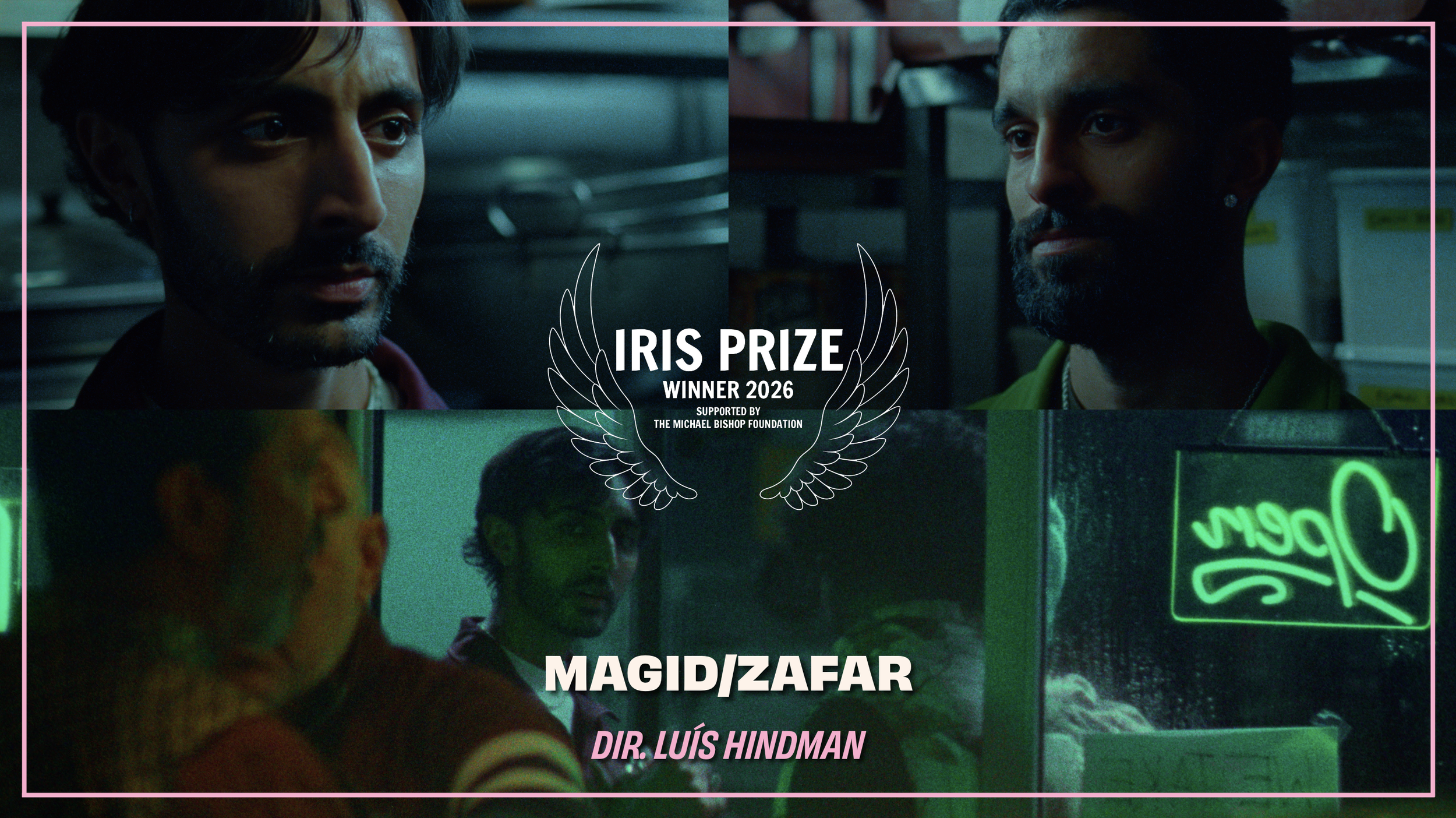
The 20th anniversary edition of the Iris Prize LGBTQ+ Film Festival has crowned a new winner, with British filmmaker Luís Hindman taking home the prestigious £40,000 Iris Prize for his acclaimed short film Magid / Zafar.
Announced at BBC Cymru Wales studios in Cardiff on Sunday morning, the award marks a significant milestone for both Hindman and the internationally renowned festival. Not only does Magid / Zafar add another distinguished title to the Iris Prize legacy, but Hindman also becomes only the third UK filmmaker to win the world's largest LGBTQ+ short film prize.
For a festival that has spent two decades championing LGBTQ+ storytelling from around the globe, the result felt fitting. A home-grown talent taking the top honour during the festival's 20th anniversary celebrations offered a moment of reflection on how far both the festival and queer filmmaking have come.
A Powerful Story of Identity and Expectation
Magid / Zafar unfolds within the confines of a Pakistani-British takeaway, where personal ambitions collide with family expectations and cultural tradition.
Rather than presenting easy answers, the film explores the tension between modernity and heritage through an emotionally charged narrative driven by music, costume and nuanced character development. At its heart is Magid, a young man standing at a crossroads, caught between the future others have planned for him and the life he may want for himself.
The result is a film that resonated deeply with the Iris Prize jury, who praised both its storytelling and cinematic craft.
Sara Peacock, chair of the 2026 Iris Prize jury, described the winning entry as a standout from the competition.
"This film burst onto the screen and swept the jury along with its dynamic and energetic story.
"The jury praised the storytelling, which was carefully eked out through dialogue and never spoon-fed, as well as the craft that used pace and tempo to pull the audience into the characters' emotions. A clear winner."
In a festival renowned for spotlighting stories from across the LGBTQ+ spectrum, Magid / Zafar evidently struck a special chord through its ability to balance intimate character drama with broader conversations around identity, belonging and cultural expectations.
A Rising Star of British Cinema
Hindman's victory represents another major achievement in what has already become a remarkable career trajectory.
The writer-director, who is of South Asian and Northern Irish heritage, first gained industry recognition in 2015 when he received Into Film's One to Watch award, backed by the BFI and EON Productions. His talent was recognised by a distinguished judging panel that included acclaimed filmmakers Sir Alan Parker, David Yates and Peter Kosminsky.
Following a successful period directing music videos, including the UK Music Video Award-nominated Permanent Damage for soul-pop artist Joesef, Hindman returned to narrative filmmaking with Magid / Zafar.
Supported by the BFI and Film4 through the inaugural Future Takes scheme, the film premiered in competition at the BFI London Film Festival before earning a BAFTA nomination and winning the British Independent Film Award for Best British Short.
Now, thanks to his Iris Prize victory, Hindman will receive £40,000 to create a new LGBTQ+ themed film in the UK, further cementing his position as one of the country's most exciting emerging filmmakers.
A Worthy Winner in a Landmark Year
For Iris Prize Director Berwyn Rowlands, the success of Magid / Zafar feels particularly significant.
"This is only the third time a British filmmaker has won the Iris Prize, so our 20th anniversary feels like the perfect year to celebrate another home-grown winner.
"In truth, though, Luis Hindman's powerful short, Magid / Zafar, would have been a worthy winner in any year."
The festival itself has undergone a remarkable transformation since its launch in 2007. What began as a modest three-day event attracting around 1,500 admissions has grown into a week-long international celebration of LGBTQ+ film welcoming around 12,000 admissions, alongside a month-long online programme.
As Iris enters its third decade, Magid / Zafar joins an illustrious list of winners whose careers have been elevated by the Cardiff-based festival's unique blend of international reach and Welsh hospitality.
Special Mentions Recognise Diverse Global Storytelling
While Magid / Zafar claimed the top prize, the jury also highlighted three films for special recognition.
Polish drama A Cappella, directed by Marcin Kluczykowski, was praised for its touching portrayal of a long-term elderly couple navigating a lifetime of concealed love. The jury highlighted the film's subtle storytelling, beautiful cinematography and authentic depiction of an established relationship rarely seen on screen.
Another Polish entry, Black Shawl by Kamila Boichenko, left a lasting impression with its exploration of grief, war and human connection. Set within a refugee camp, the film follows two women who find solace in shared loss, weaving together themes of desire, survival and sexuality.
Brazilian filmmaker Leo Tabosa's Seahorse also earned recognition for its warm and life-affirming approach. Following a widow on the verge of her 75th birthday, the film was celebrated for moving beyond familiar narratives of trauma towards love, joy and acceptance.
Together, the films highlighted the breadth of stories on display throughout this year's competition, reinforcing Iris Prize's reputation as one of the most important showcases for LGBTQ+ filmmaking anywhere in the world.
Looking Ahead
As the curtains close on the festival's 20th anniversary edition, Magid / Zafar stands as a reminder of what makes the Iris Prize so influential. The festival has built its reputation on discovering bold new voices, and in Luís Hindman it has found a filmmaker whose work speaks powerfully to contemporary questions of identity, belonging and self-determination.
For Cardiff audiences who witnessed the film during this year's festival, the announcement may not have come as a surprise. For the wider film industry, however, the Iris Prize has once again delivered its annual reminder that some of the most exciting voices in cinema are often first discovered through the short film format.
And with £40,000 now behind his next LGBTQ+ project, Luís Hindman's journey is only just beginning.