
Community, Chaos & Cultural Shifts: Inside the Latest Episode of Pain in the Arts
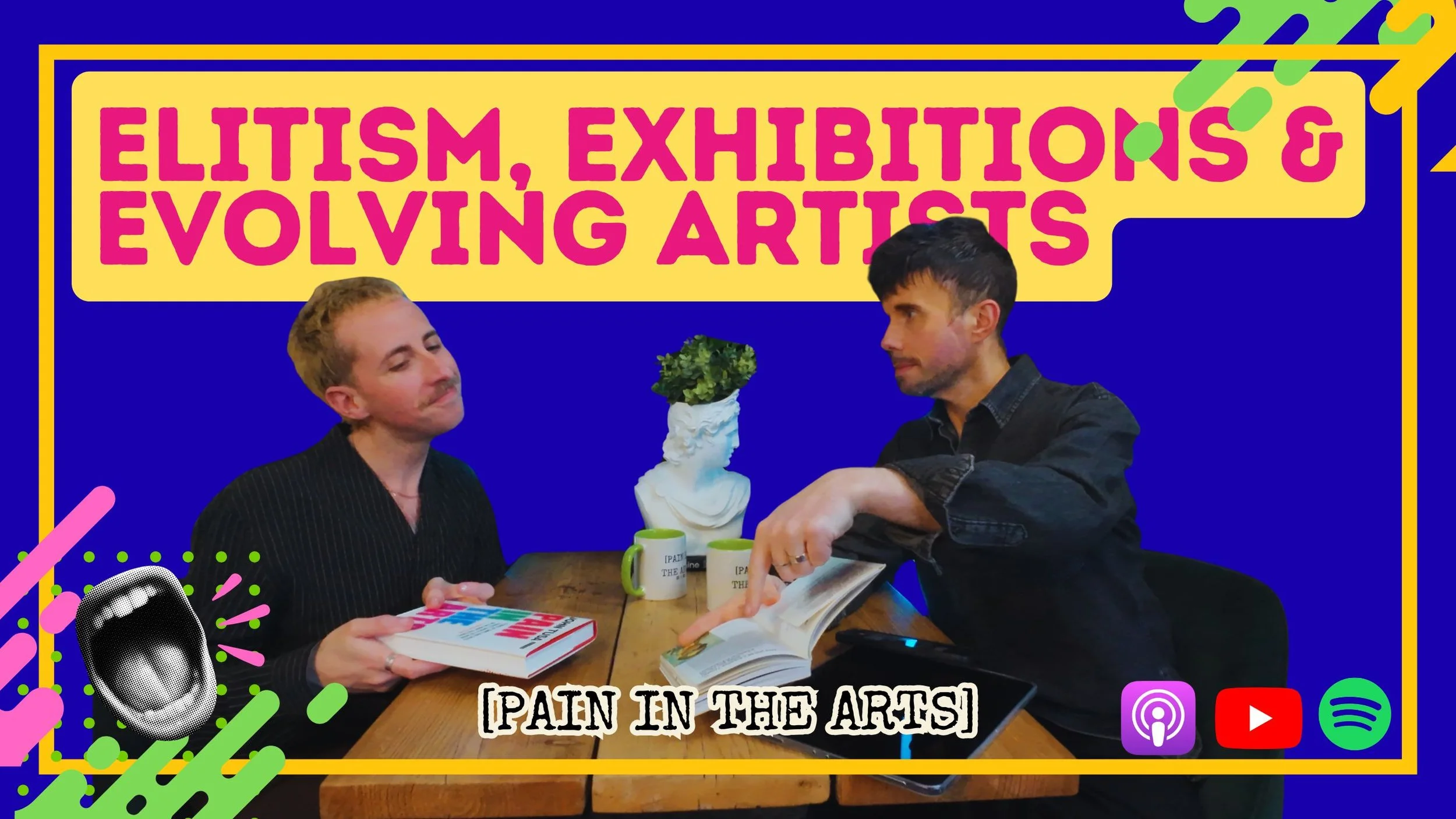
In a week where hailstones battered Wales and World Art Day arrived with little fanfare, Pain in the Arts delivered one of its most grounded, community‑focused episodes yet. Hosts Chris J Birch and Jack Rhys Birch dive into the heart of what makes Welsh creativity tick: people, place, and the messy, beautiful intersections between them.
From community‑driven exhibitions to chaotic comedy nights, from funding frustrations to fears of creeping elitism, this episode captures the pulse of a sector that is vibrant, vulnerable, and constantly evolving.
“Still Me?” — Community, Identity & the Power of Creative Belonging
The episode opens with a visit to Still Me?, a community‑led exhibition at the University of South Wales. The project brings together people who have moved to Wales from all over the world — asylum seekers, expats, migrants, and those rebuilding their lives far from home.
Through portraiture, collage, creative writing and blind‑drawing workshops, participants explore the question: Who am I now?
What emerges is a portrait of Wales as a place where creativity becomes a bridge — a way to connect, to process, to belong. As Jack puts it, art becomes “a physical thing that starts a conversation,” and in a society where isolation is rising, that conversation is more vital than ever.
Cabaret Cardiff: The Beating Heart of Indie Arts
If Still Me? represents the reflective side of Welsh creativity, Cabaret Cardiff represents its wild, unpredictable, utterly joyful counterpart.
The pair have practically taken up residency there — and for good reason. Cabaret’s programming is eclectic, fearless and refreshingly unpretentious. One night it’s queer comedy, the next it’s experimental performance, the next it’s something that defies categorisation entirely.
What stands out in the episode is the recognition that Cabaret is filling a gap Wales didn’t realise it had: a space for people who want to engage with the arts without the formality of a theatre or the stillness of a gallery. It’s accessible, affordable, and bursting with personality — a reminder that the arts don’t have to be solemn to be meaningful.
Funding Frustrations & the State of the Sector
The conversation takes a sharper turn when Chris brings up the latest funding announcement from DCMS: £129 million for English cultural infrastructure. Wales, by comparison, received £10.2 million last year.
On paper, the per‑capita breakdown looks surprisingly fair. In practice, the hosts argue, Wales’ arts venues have endured decades of underinvestment — and the cracks are showing.
Councils are offloading buildings. Venues are struggling to stay open. Artists are fighting for scraps of funding. And audiences, squeezed by the cost‑of‑living crisis, are being priced out of theatre and live performance.
It’s a sobering reminder that while creativity in Wales is thriving, the structures meant to support it are not.
Are We Drifting Back Toward Elitism?
One of the episode’s central questions comes from a listener: Are the arts becoming elitist again?
It’s a complicated issue, and the hosts don’t shy away from nuance.
Yes, ticket prices are rising. Yes, arts education is becoming harder to access. Yes, the cost of living is pushing people away from cultural spaces.
But they also highlight the counter‑movement: free exhibitions, pay‑what‑you‑can events, grassroots festivals, community arts programmes, and independent venues working tirelessly to keep culture accessible.
The arts may be under pressure — but elitism isn’t the only direction of travel.
Refreshing a Creative Business After 20+ Years
The second listener question asks how to evolve a creative business after two decades.
The answer is surprisingly simple: You don’t reinvent — you refresh.
Jack emphasises the importance of:
revisiting your original purpose
reconnecting with your audience
experimenting with new formats
embracing digital tools
and allowing yourself to grow without abandoning your roots
It’s advice that feels relevant not just to creatives, but to the sector as a whole.
A Podcast Becoming a Cultural Touchstone
What makes this episode stand out is its balance: part arts review, part cultural commentary, part community diary. Chris and Jack move effortlessly between humour and seriousness, between personal anecdotes and sector‑wide reflections.
They’re not just reporting on Welsh arts — they’re participating in it, questioning it, challenging it, and celebrating it.
In a time when the creative sector feels both energised and endangered, Pain in the Arts is becoming an essential voice: honest, accessible, and deeply rooted in the lived experience of Welsh creatives.
If you care about the future of arts in Wales — or simply want to understand the conversations happening behind the scenes — this episode is a must‑listen.