
Circus Chaos, Rooftop Cinema and the Rise of Analogue: Inside Episode 7 of Pain in the Arts
Wales’ creative scene is rarely quiet, but this week it feels like the volume has been turned up several notches. In the latest episode of Pain in the Arts, broadcaster Chris J Birch and writer–editor Jak Rhys Birch take listeners through a whirlwind of circus‑musical spectacle, rooftop screenings, bilingual theatre, and the creeping dread of creative admin. It’s an episode that captures the full spectrum of Welsh arts — from the big stages to the grassroots, from the analogue revival to the realities of working in a small but fiercely passionate sector.
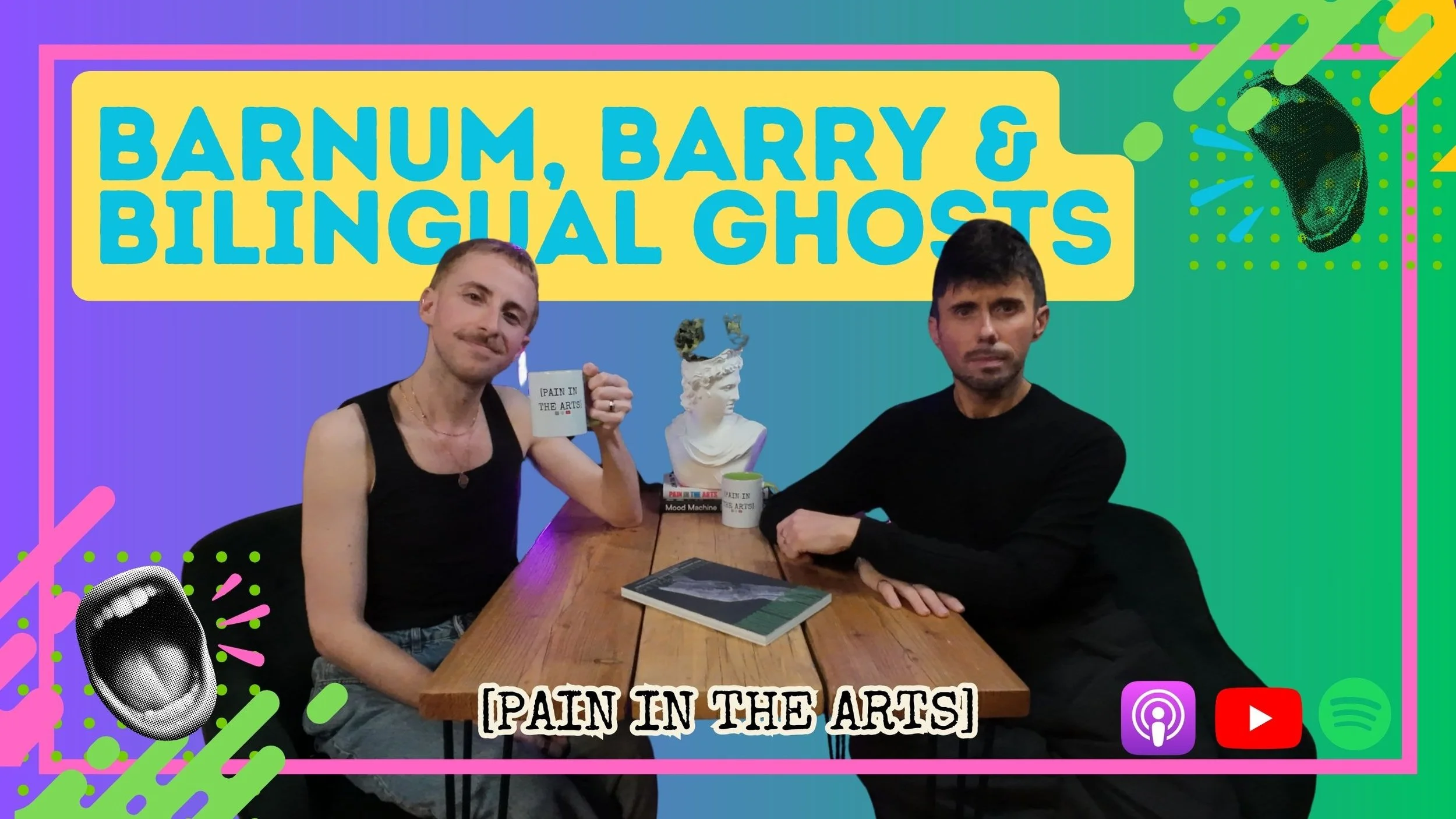
The pair open with a milestone: Pain in the Arts has officially passed 1,000 YouTube subscribers. It’s a moment that feels both surreal and affirming, especially when Chris recounts being recognised in the Wales Millennium Centre coffee queue. It’s a reminder that the podcast, born from car‑ride conversations and creative frustration, has become a genuine touchpoint for artists and audiences across Wales.
A Return to Analogue: Folding Rock and the Tangibility of Culture
One of the most striking threads in this episode is the growing shift back towards analogue culture. Jak introduces Folding Rock, a bold Welsh literary magazine championing short fiction, creative nonfiction and critical writing. Its tactile presence — beautifully designed, physically held — sparks a wider conversation about the resurgence of print, vinyl, and the desire for friction in a digital world.
The duo discuss “friction maxing”, a trend among younger generations who are deliberately choosing slower, more intentional forms of media. Whether it’s listening to a full vinyl album or buying a magazine from an independent shop, the act of engaging becomes part of the experience. In a sector where digital saturation is the norm, this analogue revival feels both nostalgic and radical.
Barnum: Organised Chaos at the WMC
Theatre dominates the week, beginning with Barnum at the Wales Millennium Centre — a riot of circus, musical theatre and acrobatics. With Lee Mead leading a cast who sing, dance, juggle, tumble and play instruments live on stage, the production is described as “organised chaos” in the best possible way. It’s a reminder of the sheer physicality and craft that goes into large‑scale performance, and how Welsh audiences continue to embrace ambitious touring work.
Barry on Film: Rick on the Roof
From spectacle to intimacy, the pair attend a rooftop screening of Rick on the Roof, a short film based on the true story of a Barry man who refused to come down from his roof for three years after being evicted. In just 15 minutes, the film captures not only Rick’s story but the unmistakable community spirit of Barry — something both hosts recognise instantly. It’s a testament to the power of Welsh storytelling when it’s rooted in lived experience and told by those who understand the place from the inside.
Ghosts, Bilingual Theatre and the Future of Accessibility
The week also includes Is Anybody There? at the Riverfront — a bilingual Welsh/English production blending comedy, spiritualism and a murder mystery. While the show itself sparks mixed reactions, it opens a deeper conversation about accessibility in theatre.
Chris and Jak explore how subtitles, BSL interpretation and bilingual delivery can be integrated more creatively into productions, rather than bolted on as afterthoughts. Their argument is clear: accessibility should be part of the artistic vision, not a logistical add‑on. It’s a challenge to the sector — and an invitation to imagine what Welsh theatre could look like if inclusivity was treated as a creative opportunity.
Creative Burnout and the Admin Monster
This week’s listener questions hit close to home. The first asks how creatives cope when admin, invoicing and self‑promotion begin to overshadow the joy of making work. The answer is honest: nobody escapes it. Admin is part of the job, and the trick is to structure it, share it, or — as Chris suggests — turn it into a social ritual. “Admin parties” are floated as a solution: gather your creative friends, bring your paperwork, pour a glass of wine, and suffer together.
It’s funny, but it’s also real. In a sector built on passion, the invisible labour can be overwhelming. Hearing two working creatives speak openly about it feels refreshing.
Breaking Into the Welsh Arts Scene
The second question comes from someone new to Wales, wondering whether the creative sector is too small and interconnected to break into. The hosts acknowledge the challenge — Wales is tight‑knit, and networks often form organically over years. But they also emphasise that the sector is far more welcoming than it appears from the outside. Community events, open calls, workshops, and simply showing up consistently can open doors. And crucially, Welsh arts need new voices, new perspectives and new lived experiences.
A Podcast Becoming Part of the Cultural Fabric
What makes Episode 7 stand out is how naturally it moves between the personal and the political, the humorous and the heartfelt. It’s a portrait of Welsh arts as they really are: messy, passionate, community‑driven, occasionally chaotic, and always evolving.
With each episode, Pain in the Arts is becoming more than a podcast — it’s becoming a cultural record of Wales’ creative moment. And if this week is anything to go by, that moment is vibrant, unpredictable, and full of stories worth telling.