Inside the Writers Room at Hay Festival: What Welsh Creatives Are Being Told About “What’s Next”
Yesterday, I wandered into the Writers Room at Hay Festival — a space primarily designed for writers, though I’ve always quietly considered myself one. If you’re reading this now, you’re helping affirm that belief. In a previous life, I wrote two plays and even had a book published internationally by Orell Füssli, so writing has always been stitched into my creative DNA.
But this time, I stepped in wearing my professional hat. I wanted to hear, firsthand, what guidance the arts sector is offering Welsh creatives — what “next steps” are being championed, and how we’re nurturing the next wave of writers from Wales.
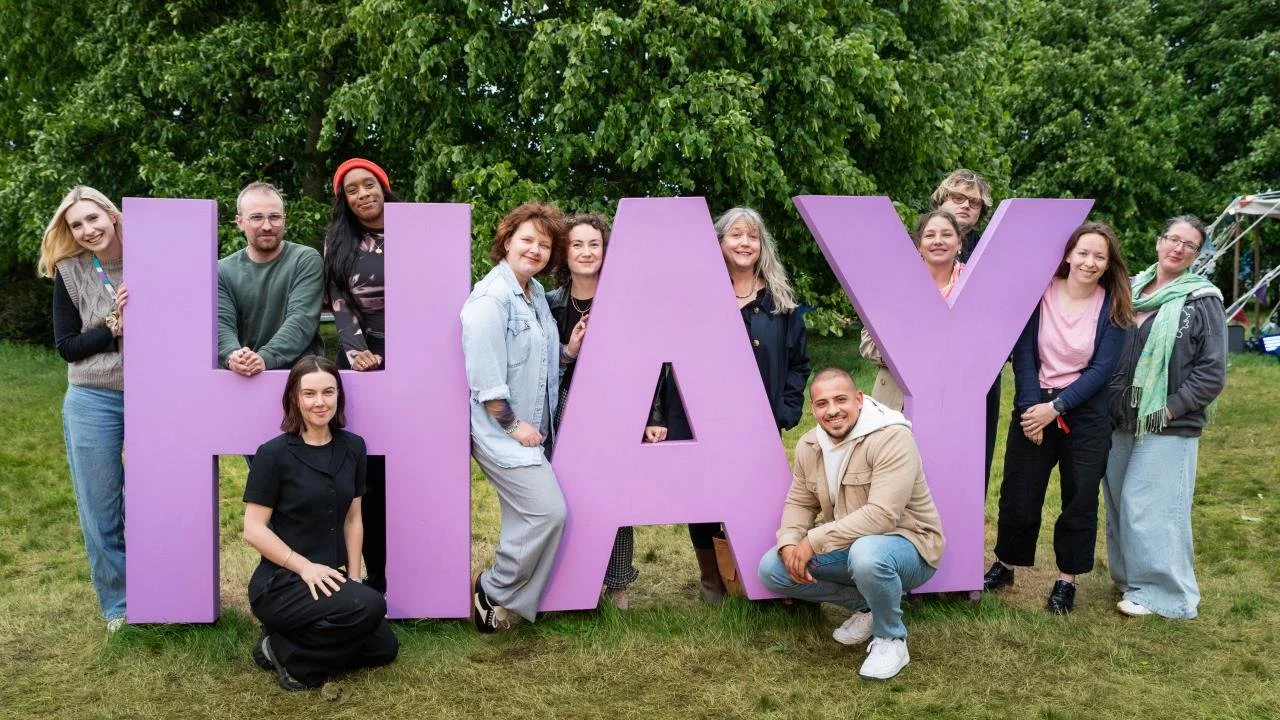
Image Courtesy of Hay Festival
The Writers Room sits within the wider Writers at Work programme — a ten‑day creative development initiative for emerging Welsh talent, supported by Literature Wales and the Arts Council of Wales. It gives selected writers access to workshops, publishers, agents, and established international artists, all within the ecosystem of one of the world’s biggest literary festivals.
Francis Bickmore (Canongate): The Reality of Getting Published
The session I attended was led solely by Francis Bickmore, Publishing Director at Canongate. Although author Matt Haig has been appearing at various events across the festival, this particular session was very much Francis’ space — and he used it to deliver a refreshingly honest, practical breakdown of how writers can navigate the publishing world.
His advice was clear, grounded, and — at times — bracingly real.

Image: Francis Bickmore / Canongate
Key Takeaways from Francis Bickmore
• It’s a numbers game.
A publisher might receive 250 manuscripts and only take on two. That’s not a reflection of universal quality — it’s a reflection of capacity, timing, and market fit.
• Rejection isn’t always about the book being bad.
Sometimes a manuscript is strong, but another one is stronger in that moment. Publishing is as much about context as content.
• Be ruthless with your own work.
Entire chapters may need to go. Whole sections might be holding the book back. The best writers are also the best self-editors.
• Get honest, critical feedback before submitting.
Not from someone who loves you — from someone who will tell you the truth.
• Edit, refine, repeat.
Read it again. Then again. Then again. Professional polish is what separates a draft from a submission.
• Keep it simple.
Great stories draw you in instantly. Clarity beats cleverness every time.
Why This Matters for Wales
Wales is producing some of the most exciting literary voices in the UK right now, and programmes like Writers at Work are part of the reason. They offer structure, mentorship, and industry access — the scaffolding that helps Welsh writers move from “emerging” to “established”.
What I witnessed in that tent wasn’t just advice; it was infrastructure. It was the sector actively investing in the next generation of Welsh storytellers.
My Takeaway
Stepping into the Writers Room reminded me that writing isn’t just something you do — it’s something you grow into. And Wales is building the spaces, networks, and opportunities to help its writers grow boldly. And it’s something I’m incredibly proud to be a part of.