The World’s First Recorded Music Festival? The Fascinating Story of the 1176 Eisteddfod
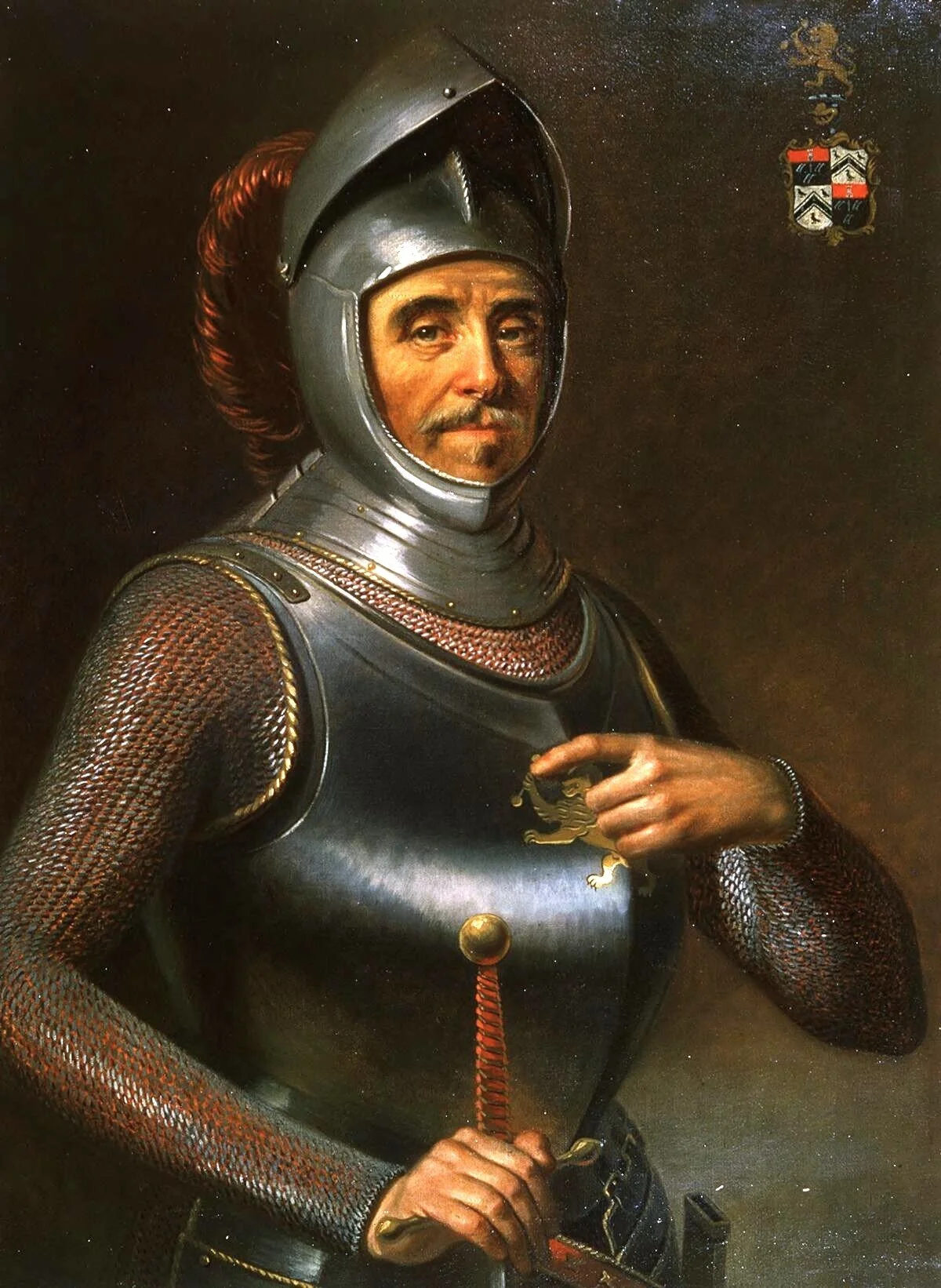
Lord Rhys ap Gruffydd
Long before Glastonbury, Coachella or Woodstock, artists, poets and musicians gathered in a Welsh castle to compete for honour, prestige and beautifully carved oak chairs.
When most people think of music festivals, they imagine vast crowds, famous headline acts, muddy fields and wristbands. Festivals have become a cornerstone of modern culture, bringing together music lovers from across the world to celebrate live performance.
Yet nearly 850 years before the first electric guitar was plugged in, Wales played host to what many historians regard as the earliest recorded competitive festival of music and poetry.
In 1176, Lord Rhys ap Gruffydd, better known as The Lord Rhys, welcomed poets, musicians and storytellers to Cardigan Castle in west Wales. The gathering became known as the 1176 Eisteddfod, and while it looked very different from the festivals we know today, its purpose was surprisingly familiar: to celebrate artistic excellence, inspire creativity and bring people together through culture.
It was an event that would leave a lasting mark on Welsh history and help establish one of Europe’s oldest cultural traditions.
What Is an Eisteddfod?
The word Eisteddfod comes from the Welsh language and is generally understood to mean “a session” or “a sitting together”. Today, the term refers to a festival celebrating literature, poetry, music, performance and the visual arts, usually through friendly competition.
Although similar gatherings almost certainly took place long before the twelfth century, the event held at Cardigan Castle is the earliest one that survives in written historical records. For that reason, it holds a special place in the history of both Wales and the performing arts.
Rather than being simply a concert or celebration, the Eisteddfod was designed to recognise exceptional artistic achievement.
Lord Rhys and His Vision
To understand why the festival mattered, it helps to know something about the man behind it.
Lord Rhys was one of medieval Wales’ most influential rulers. During a period marked by conflict between Welsh princes and Norman lords, he succeeded in strengthening and expanding the kingdom of Deheubarth in southwest Wales.
By the mid-1170s, he had secured a period of relative peace and stability. Instead of marking his success solely with military displays or lavish feasts, he chose to invest in something that reflected the heart of Welsh identity—its culture.
He rebuilt Cardigan Castle as an impressive stone fortress, but he also transformed it into a centre for learning, poetry and music. Hosting a grand artistic competition demonstrated that leadership could be measured not only through military victories but also through the encouragement of creativity and scholarship.
In many ways, Lord Rhys understood something we still recognise today: cultures survive because their stories, music and traditions are preserved.
A Medieval Arts Festival
Historical accounts suggest that invitations to the competition were announced around a year in advance, giving competitors time to prepare and travel.
Performers came not only from Wales but from across the British Isles, making it an unusually ambitious event for its time.
The competitions focused primarily on two disciplines,Poetry and music
Competitors would perform before judges, who assessed their skill, creativity and mastery of their craft.
Unlike today’s talent contests, there were no cash prizes or recording contracts waiting at the end.
Instead, the winners received beautifully carved oak chairs.
While that may sound unusual today, chairs were powerful symbols during the Middle Ages. Most ordinary people sat on benches or stools. An intricately carved chair represented honour, authority and distinction. Receiving one publicly acknowledged an individual’s exceptional talent and elevated their status within society.
This symbolism proved so enduring that the tradition continues today. At the modern National Eisteddfod of Wales, the winner of the bardic competition is still ceremonially presented with a specially crafted chair.
Why Poetry and Music?
To modern audiences, poets and musicians are often viewed as entertainers.
In medieval Wales, they fulfilled a far greater role.
Professional poets served as historians, chroniclers and guardians of memory. They preserved family histories, celebrated rulers, documented important events and passed knowledge from one generation to the next through carefully composed verse.
Music was equally important.
Musicians performed in royal courts, accompanied ceremonies and reinforced shared cultural identity through performance. In a society where relatively few people could read or write, music and poetry were among the most effective ways of preserving knowledge.
Winning an Eisteddfod was therefore about far more than personal pride. It could establish a poet or musician’s reputation throughout Wales and secure patronage from influential nobles.
Artists were respected not simply because they entertained people, but because they helped preserve the nation’s identity.
Was It Really the First Music Festival?
You’ll often see headlines describing the 1176 Eisteddfod as the world’s first music festival.
It’s an appealing description, but history is rarely that simple.
People had been gathering for religious celebrations, seasonal festivals and public performances for thousands of years before the twelfth century. Ancient Greece, Rome and many other civilisations all held celebrations that included music and performance.
What makes the 1176 Eisteddfod unique is that it is widely recognised as the earliest recorded competitive festival devoted specifically to poetry and music for which clear written documentation survives.
That distinction is important.
Rather than inventing the idea of festivals, the Eisteddfod represents one of the earliest documented examples of organised artistic competition designed to celebrate creative excellence.
The Legacy of the Eisteddfod
Although records of similar competitions become less frequent after Lord Rhys’ festival, the Eisteddfod tradition never completely disappeared.
Centuries later, Welsh scholars, poets and cultural organisations revived and expanded the concept as part of wider efforts to preserve the Welsh language and national identity.
By the nineteenth century, the National Eisteddfod of Wales had become an annual celebration of literature, music, visual arts, theatre and performance.
Today, it remains one of Europe’s largest cultural festivals, attracting competitors and visitors from across Wales and beyond. Although modern audiences enjoy concerts, exhibitions and contemporary performances alongside traditional competitions, the core purpose has remained remarkably consistent.
The festival still celebrates creativity, honours artistic achievement and promotes Welsh culture.
Why the Story Still Matters
The story of the 1176 Eisteddfod reminds us that art has always been about more than entertainment.
For medieval Wales, creativity was closely tied to identity. Stories preserved history. Poetry safeguarded language. Music strengthened communities. Artists were valued because they carried culture forward and ensured it would not be forgotten.
In an age dominated by streaming services, social media algorithms and instant entertainment, there is something refreshing about the values behind the first recorded Eisteddfod.
There were no sponsorship deals,no VIP areas, merchandise stands.
Instead, there was a belief that exceptional creativity deserved public recognition and that culture was worth investing in.
That philosophy remains just as relevant today as it was in 1176.
A Legacy That Lives On
Nearly 850 years after Lord Rhys opened the gates of Cardigan Castle to poets and musicians, the Eisteddfod continues to thrive.
Its influence can be seen not only in Wales but in every festival that celebrates artistic talent, community and cultural expression.
While modern music festivals may be louder, larger and infinitely more commercial, they share something with that medieval gathering held all those centuries ago: a belief that bringing people together through art enriches society.
And perhaps that’s the greatest legacy of the 1176 Eisteddfod. It reminds us that long before festival stages, sound systems and headline acts, people already understood the enduring power of music, poetry and the arts to inspire, unite and shape the world around them.
Did You Know?
The 1176 gathering at Cardigan Castle is the earliest recorded Eisteddfod in surviving historical documents.
Winners were awarded beautifully carved oak chairs, a tradition that continues in the National Eisteddfod today.
Invitations to the competition are believed to have been announced around a year before the event, allowing performers from across the British Isles to attend.
The National Eisteddfod remains one of Europe’s oldest continuing celebrations of literature, music and the arts.
This article is part of our Art History Essentials weekly topic on our podcast Pain in the Arts. You can listen to our Podcast here.