Hope Behind Bars: The Shawshank Redemption at the Wales Millennium Centre
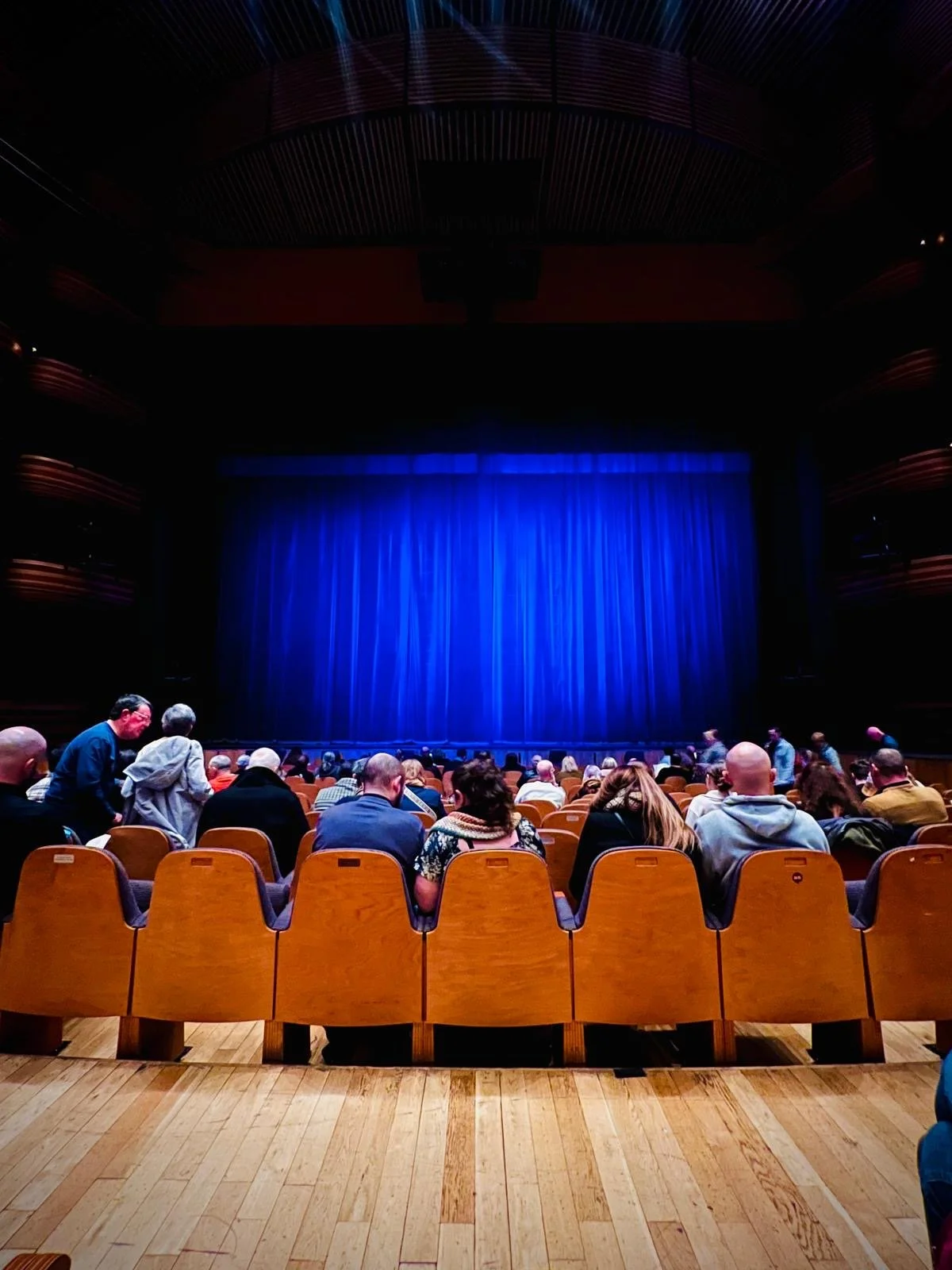
Walking into the Wales Millennium Centre for The Shawshank Redemption felt a bit like stepping back into a story I thought I knew well enough. I’d seen the film once, years ago, and remembered the broad strokes. Prison. Injustice. Hope, somewhere down the line. What I hadn’t remembered was how quietly devastating the story can be when it’s stripped back to bodies on a stage, a live audience, and nowhere to hide.
This stage adaptation, playing in Cardiff as part of its UK tour, proves why The Shawshank Redemption has endured beyond its cult film status. In the hands of theatre, it becomes something more immediate and, at times, more unsettling.
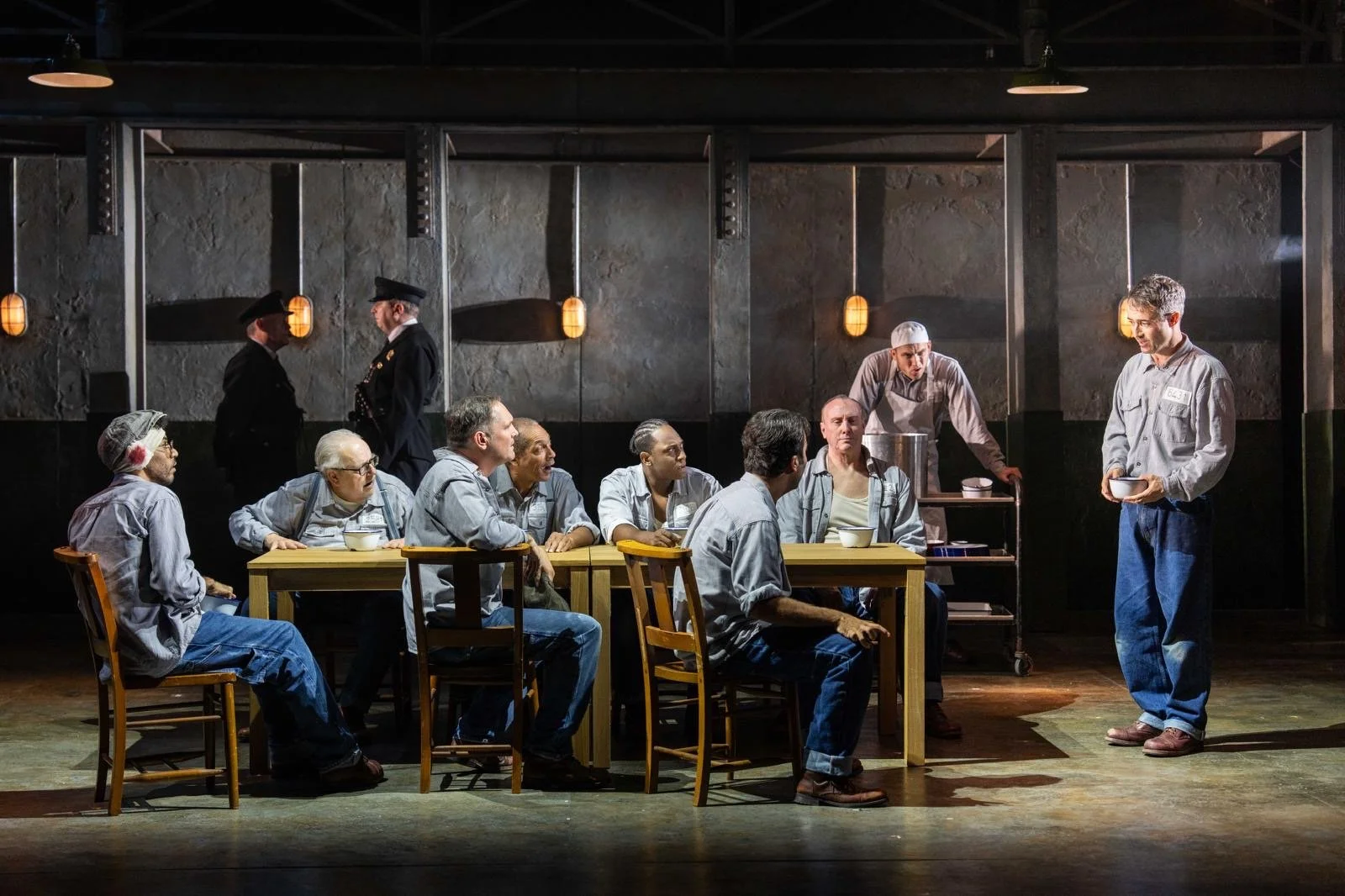
Joe McFadden takes on Andy Dufresne with restraint rather than sentimentality. This is not the polished, untouchable Andy of memory, but a man learning how to survive inside a system designed to grind people down. McFadden’s performance trusts the audience to lean in. He lets silence do some of the work, which pays off in a theatre as acoustically alive as the Donald Gordon Theatre.
Ben Onwukwe’s Red is the emotional anchor of the production. Where Andy internalises, Red observes. Onwukwe brings warmth and wry humour to the role, and crucially avoids turning Red into a narrator who explains everything. His Red feels lived-in, shaped by routine, compromise, and a long familiarity with disappointment. For an audience that skewed heavily male on the night I attended, his performance landed particularly well. There’s an honesty here about male friendship that feels earned rather than engineered.
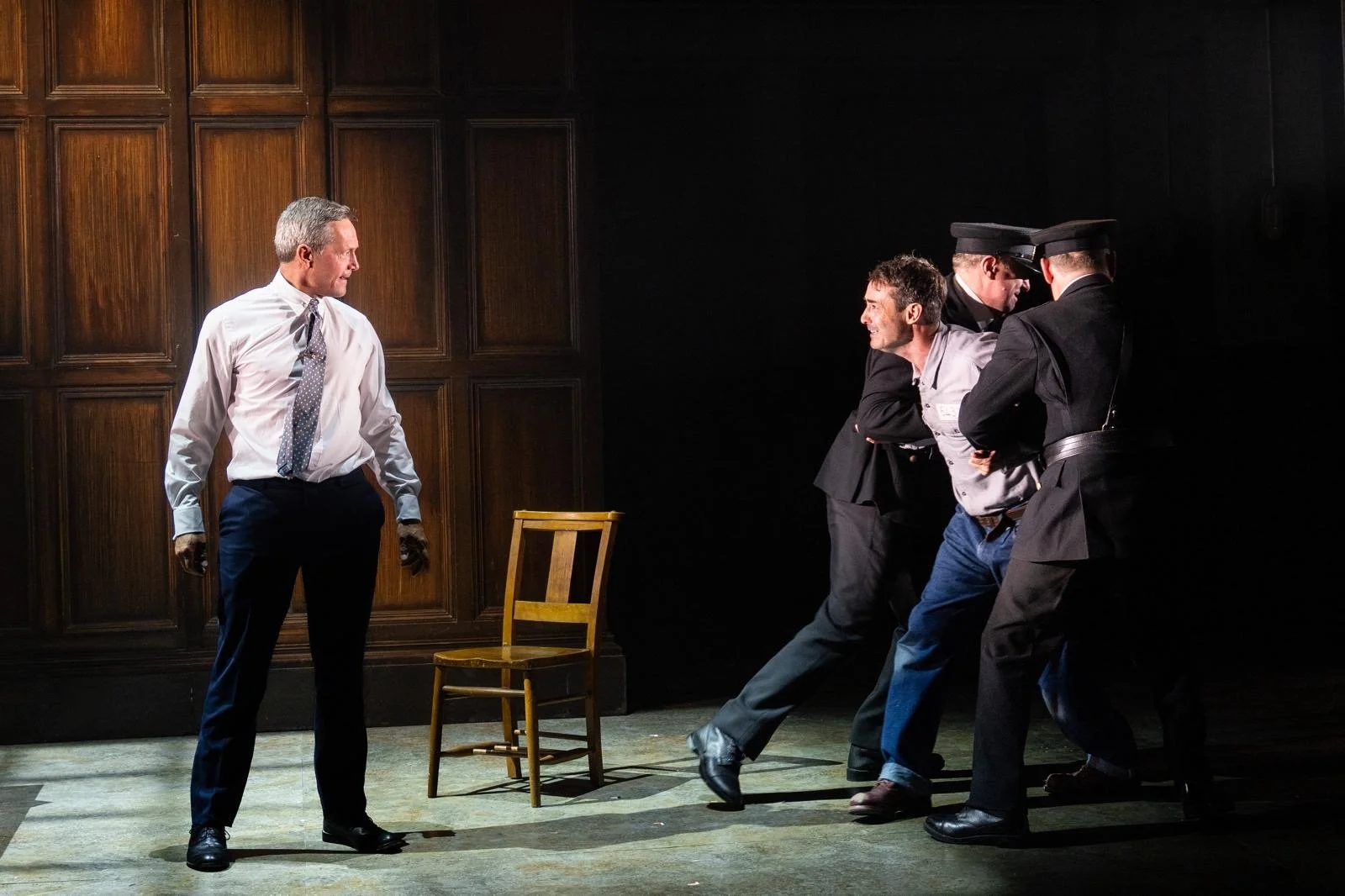
Bill Ward’s Warden Stammas is chilling without theatrics. Ward resists the temptation to shout or sneer. Instead, he plays Stammas as a man who believes in his own righteousness, which makes the character all the more unsettling. In a live theatre setting, that quiet authority carries weight, especially in scenes where power is exercised casually, almost bureaucratically.
Visually, the production makes smart use of minimalism. The set suggests Shawshank prison rather than recreating it in detail, allowing the audience to fill in the gaps. This choice works well in a space like Cardiff’s flagship theatre, where scale can sometimes overwhelm intimacy. Lighting and sound design do a lot of heavy lifting, guiding us through time and emotional shifts without calling attention to themselves.
What surprised me most, having only half-remembered the story, was how funny the play can be. Not gag-driven humour, but the dry, survivalist wit that grows in places where laughter becomes a form of resistance. Those moments of levity are vital, and they stop the production from collapsing under the weight of its own seriousness.
For anyone searching out Cardiff theatre reviews or keeping an eye on Welsh arts and culture, this production is a reminder of how well-known stories can still feel urgent when handled with care. It also shows the Wales Millennium Centre at its best: hosting work that speaks to broad audiences without diluting its themes.
The Shawshank Redemption on stage is less about nostalgia and more about endurance. It asks what it means to keep hold of your sense of self in a world that benefits from stripping it away.
As a piece of theatre presented on one of the country’s most important stages, this production earns its place. It’s thoughtful, well-acted, and quietly confident. For your tickets to The Shawshank Redemption at the Wales Millennium Centre click here.