A Town, A Roof, and a Remarkable Story: Watching Rick on the Roof in Barry
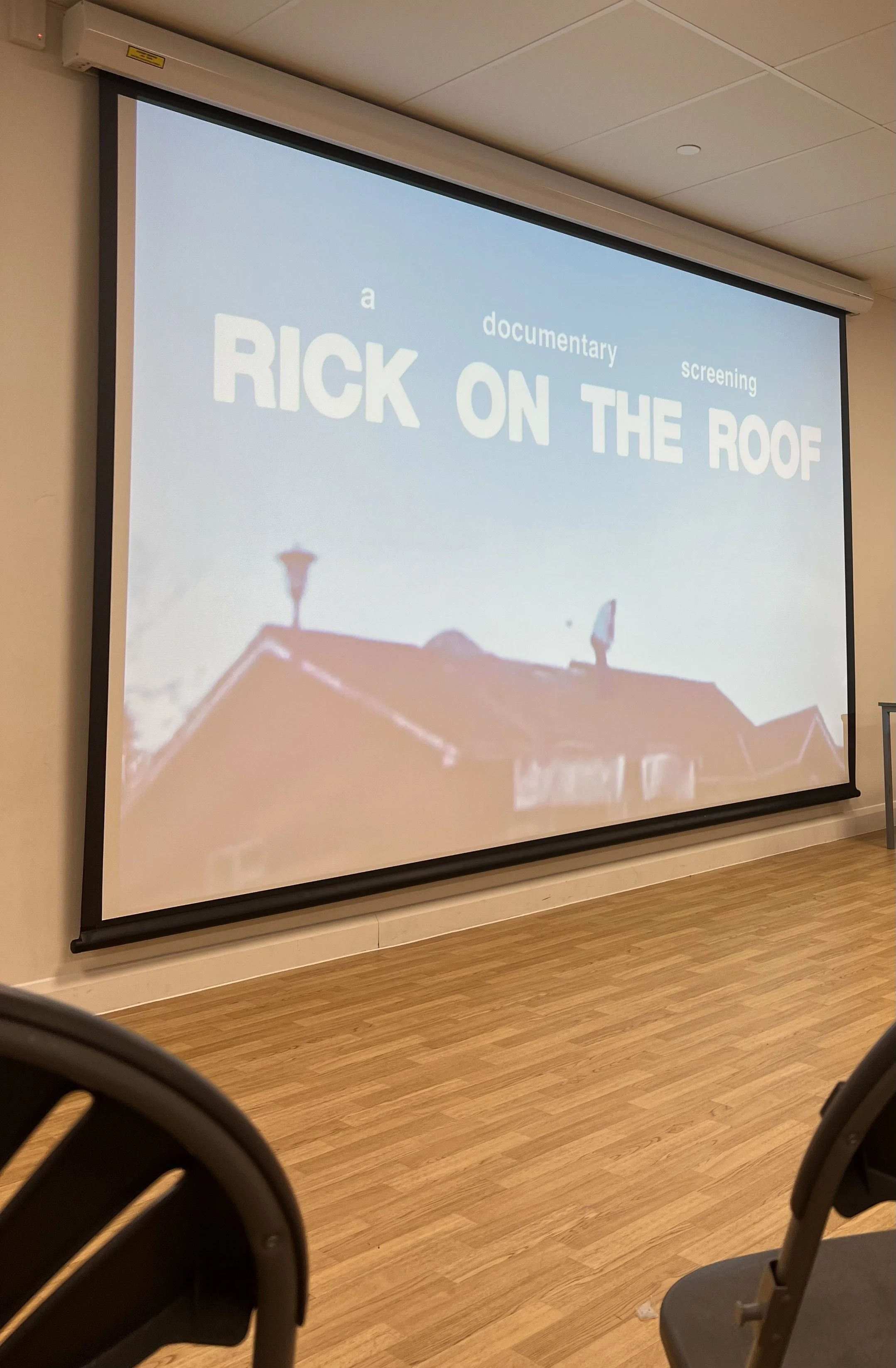
Last week, in Barry – the very town where the story unfolded – I had the chance to watch Rick on the Roof, a short documentary by Welsh filmmaker Isaac Atkin-Mayne. At just fifteen minutes long, the film manages to capture something both extraordinary and deeply familiar: the resilience of one man and the strength of the community that stood behind him.
The film tells the story of Rick Canty, a Barry resident who, after being evicted from his home in 2006, climbed onto the roof in protest and refused to come down. What began as an act of defiance turned into something far bigger. Rick stayed there for three years, becoming an unlikely local legend and a symbol of resistance that people in Barry still talk about today.
Watching the film in Barry itself added an extra layer of significance. There was a sense in the room that this wasn’t just a story being told about the town – it was a story that belonged to the people there. Atkin-Mayne’s film doesn’t sensationalise Rick’s protest; instead, it gently pieces together the human story behind the headlines. Through archival footage, thoughtful editing, and a clear respect for its subject, Rick on the Roof becomes less about the spectacle of a man living on a roof and more about the solidarity that grew around him.
Atkin-Mayne, who grew up in Barry before going on to study anthropology at St Andrews and Oxford, brings an observational sensitivity to the film that feels rooted in those academic interests. His background in experimental visual methods is evident in the way the story unfolds — quietly reflective, but never distant. Now based in London, he has directed a range of award-winning film and design projects, including work documenting the UK’s justice system and foreign policy, yet Rick on the Roof feels personal in a way that only a homegrown story can.
“Quietly powerful and deeply human”
What struck me most was how the film captures the spirit of Barry itself. In just a quarter of an hour, it paints a portrait of a town where community sits firmly at the centre of everyday life. Rick may have been the man on the roof, but he was never alone. Friends, neighbours, and curious locals became part of the unfolding moment, turning an individual protest into something collective.
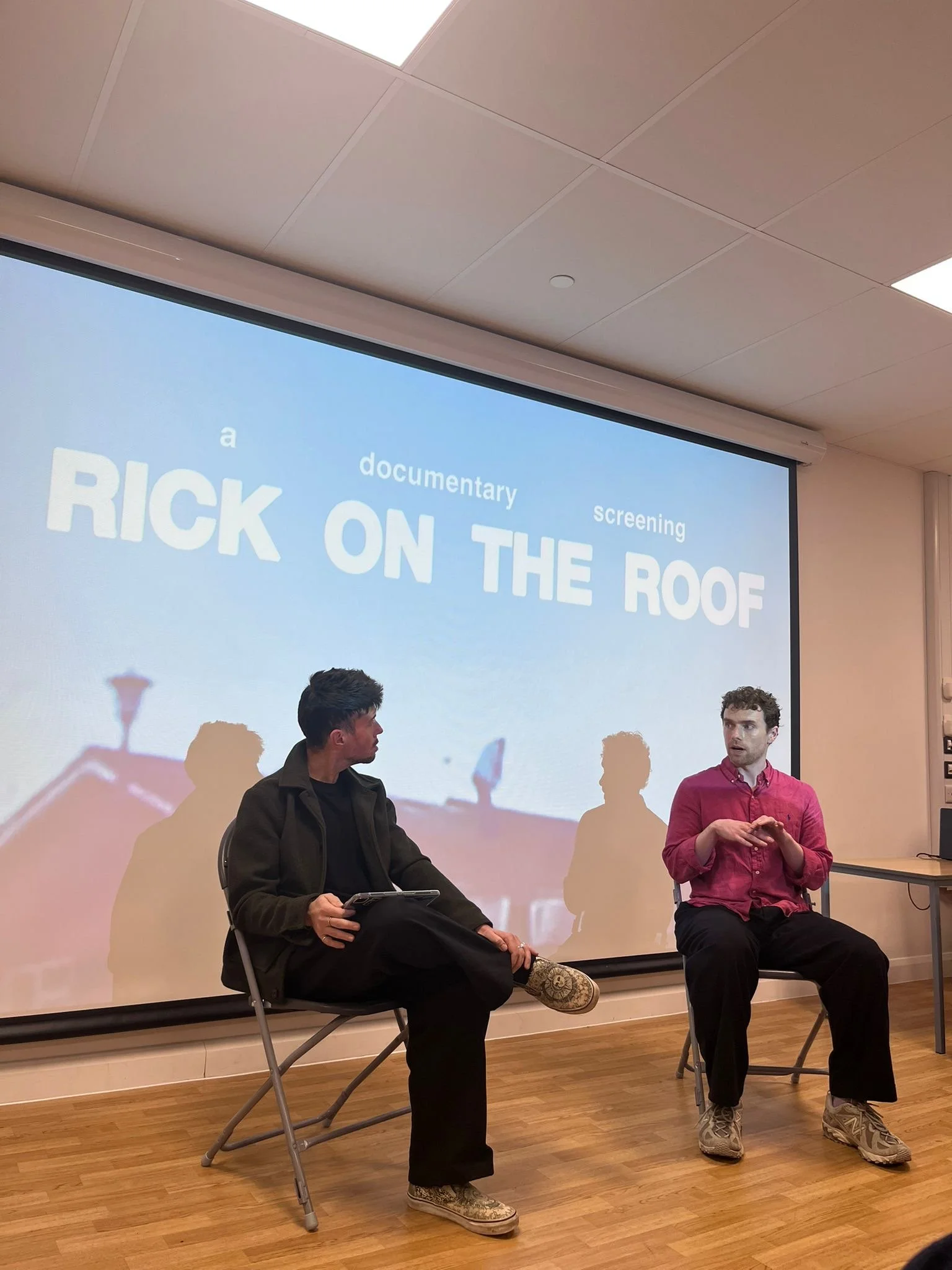
Q&A With Host Chris (left) and Director Isaac Atkin-Mayne (right)
Following the screening, a Q&A with Atkin-Mayne – hosted by Chris J. Birch – offered a glimpse into the creative process behind the film. Atkin-Mayne spoke about his connection to the story and the responsibility of telling it with care. There was a palpable sense that this project was as much about memory as it was about filmmaking: preserving a piece of local history that might otherwise slip into anecdote.
Short documentaries often carry the challenge of saying something meaningful in a limited amount of time. Rick on the Roof manages it with ease. It’s inspiring not because it dramatises Rick’s actions, but because it reveals the quiet power of community support and collective memory.
Leaving the screening, I was struck by how effectively the film captured the true nature of Barry’s residents. In fifteen minutes, it reminded us that the heart of the town has always been its people – and the way they show up for one another when it matters most.
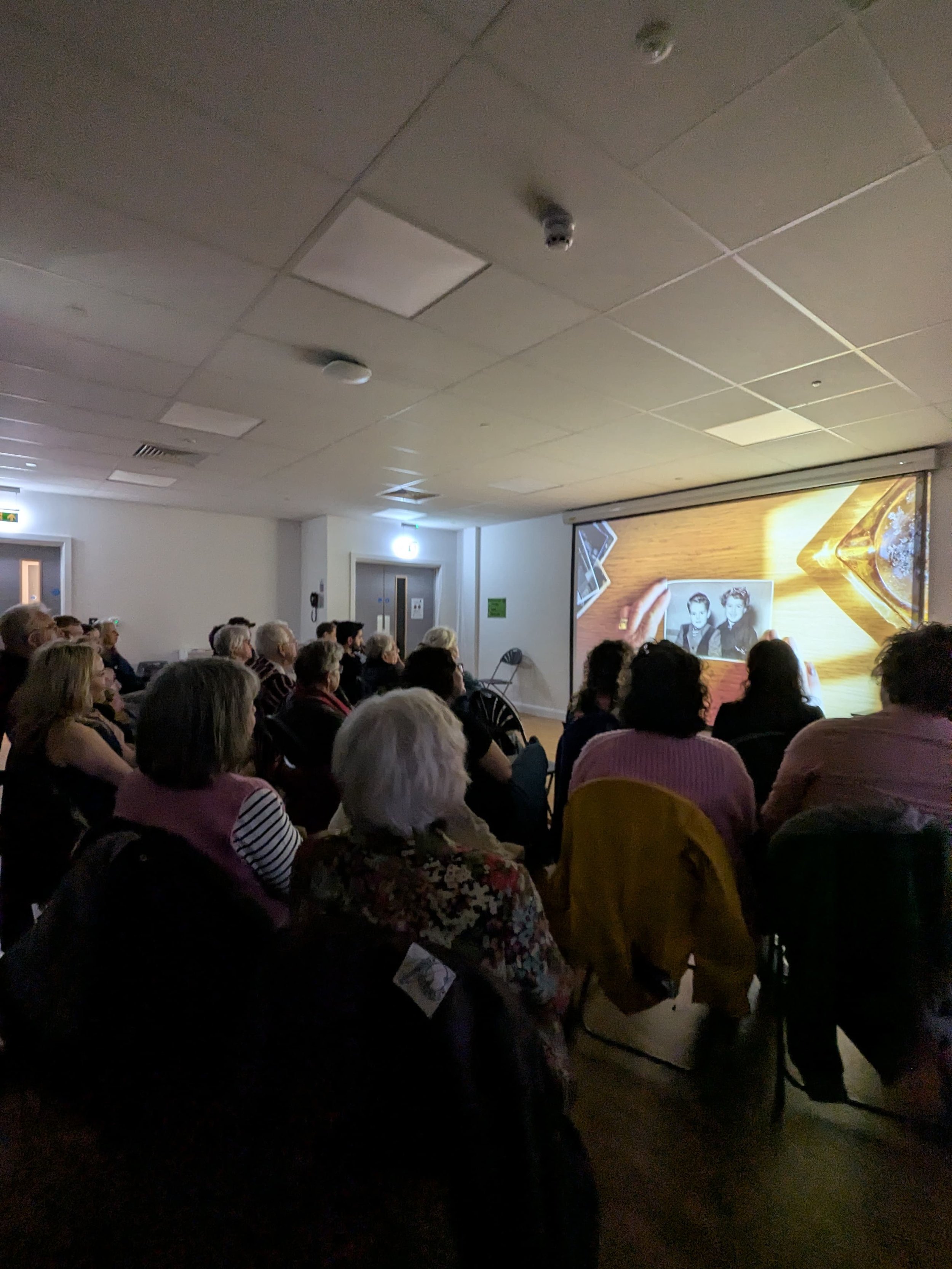
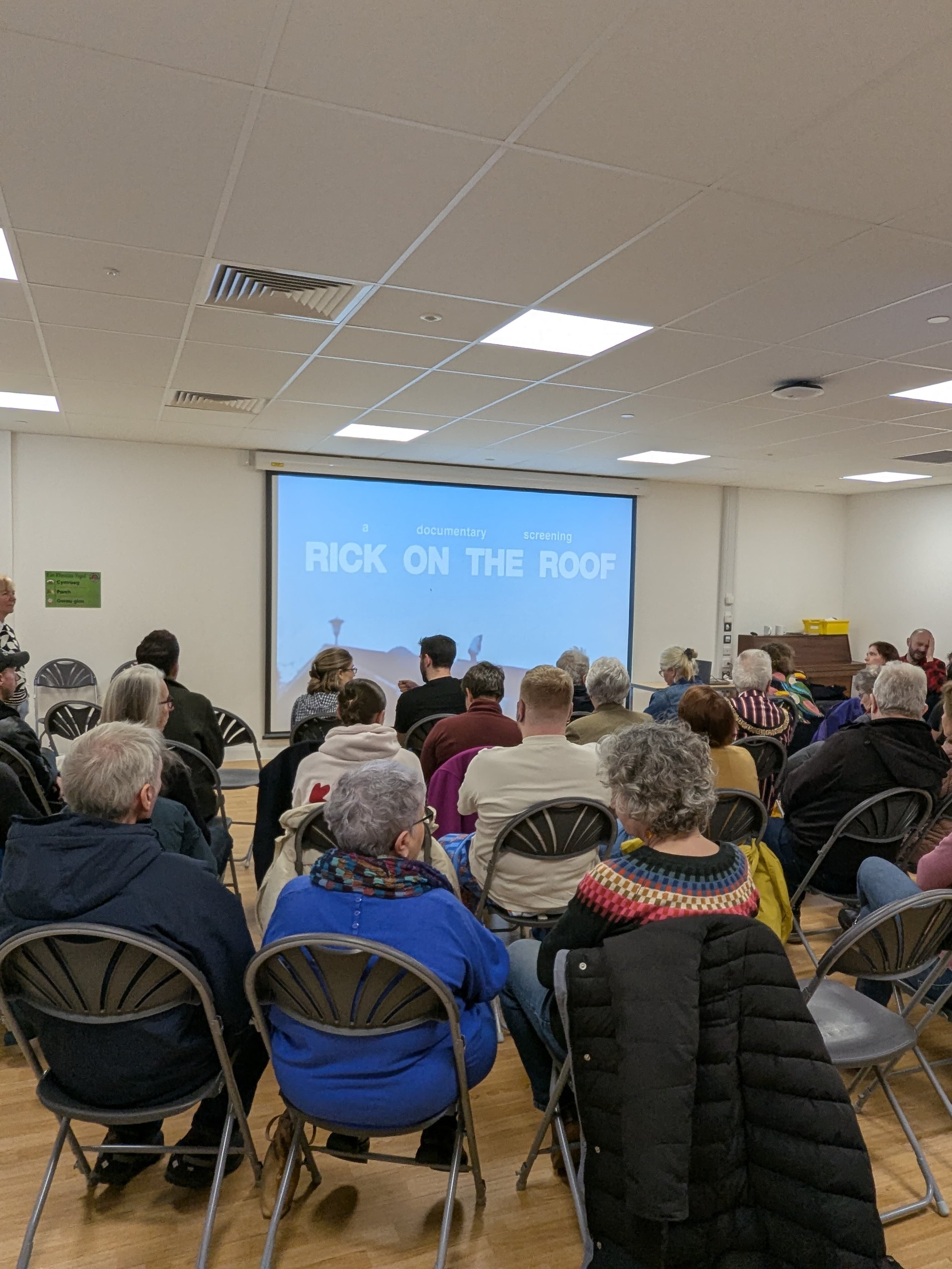
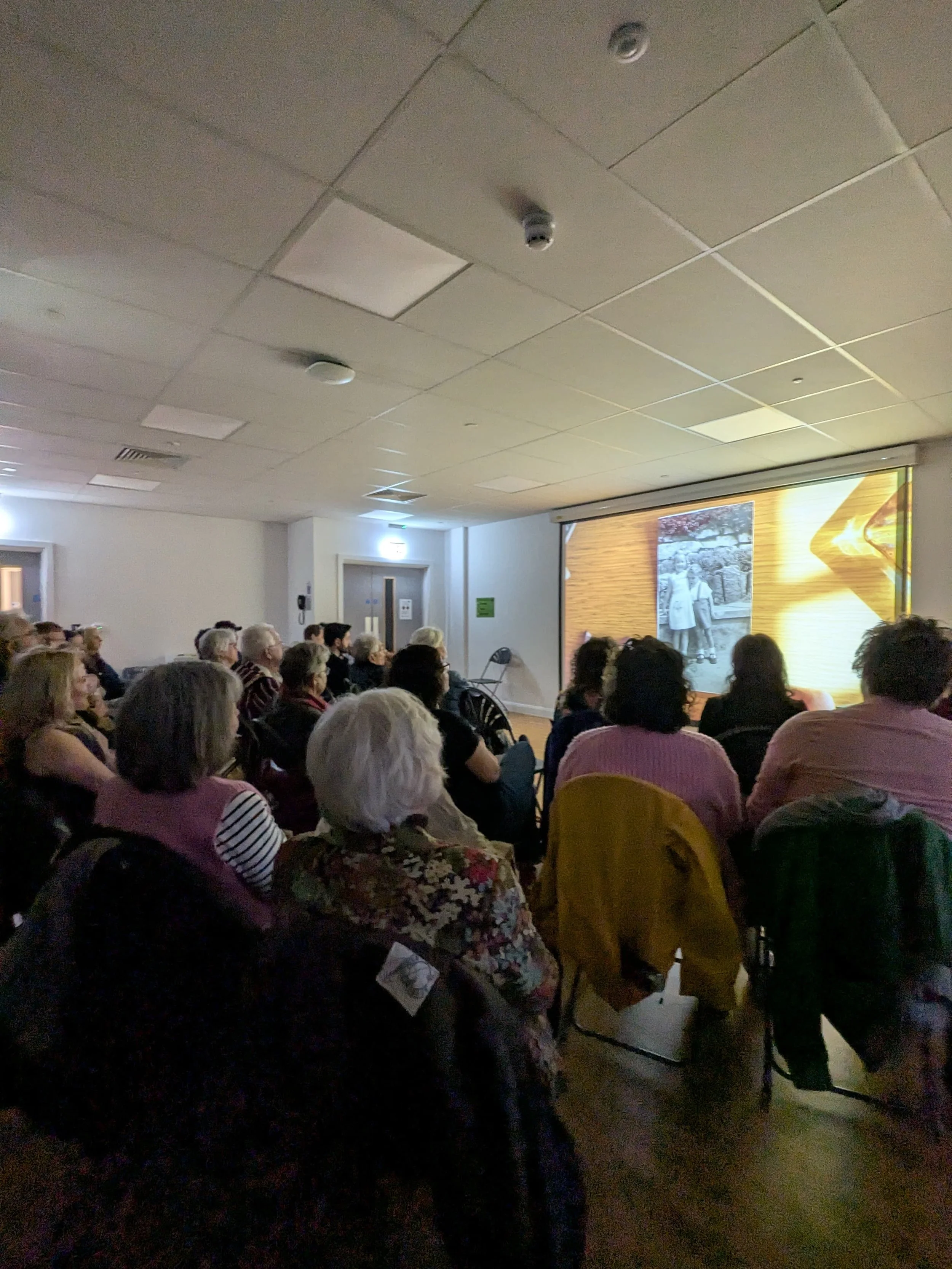
If Rick on the Roof is anything to go by, Atkin-Mayne is a filmmaker with a keen eye not just for stories, but for the communities that shape them. With his next documentary already in development, it will be exciting to see where he turns his lens next.
You can follow Isaac Atkin-Mayne and his film making here!