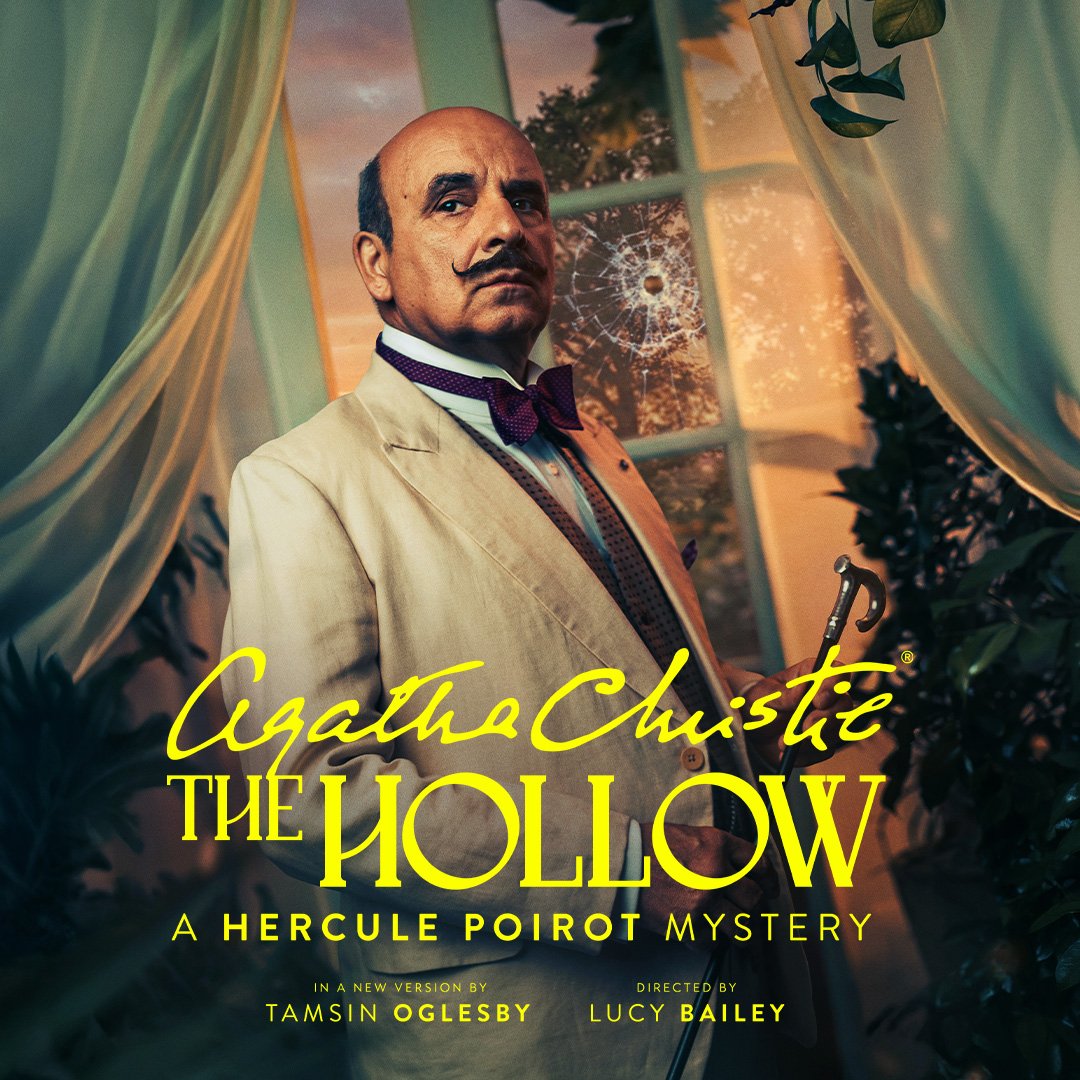
There is something rather satisfying about settling into your seat for an Agatha Christie murder mystery, knowing that before the curtain falls, someone will have met an unfortunate end and everyone will have become a suspect. But The Hollow, directed by Lucy Bailey, offers something a little different from your traditional Poirot whodunnit. Rather than racing towards the next clue, this production takes its time exploring the people, their relationships and, more importantly, the secrets they would probably rather keep buried.
Based on one of Christie's more psychologically driven novels, The Hollow is as much an examination of human nature as it is a murder mystery. Its sharp satirisation of the British upper classes, complicated relationships and wonderfully flawed characters make for a rather different sort of Christie adaptation. The emphasis here is less on the mechanics of the crime and more on the motivations that lead people to do terrible things.
Having previously enjoyed both Murder on the Orient Express and Death on the Nile at the New Theatre, I was intrigued to see how this production would compare. And different it certainly is. While it retains that unmistakable Poirot atmosphere, The Hollow is a slower-burning affair. We spend considerably more time getting to know the characters, understanding their relationships and gradually uncovering the tensions simmering beneath the seemingly respectable surface. It may take its time getting going, but patience is rewarded with a genuinely shocking payoff.
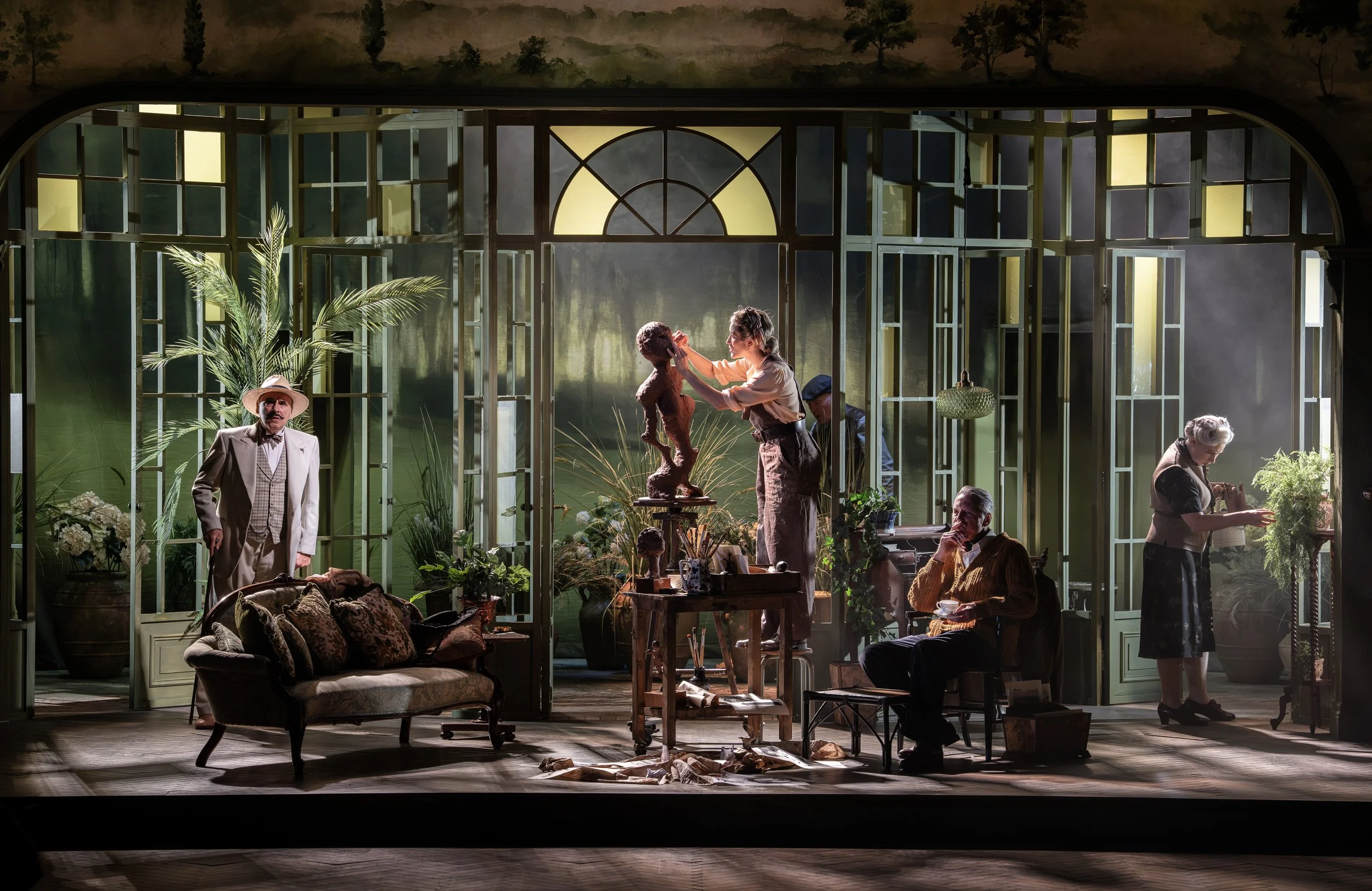
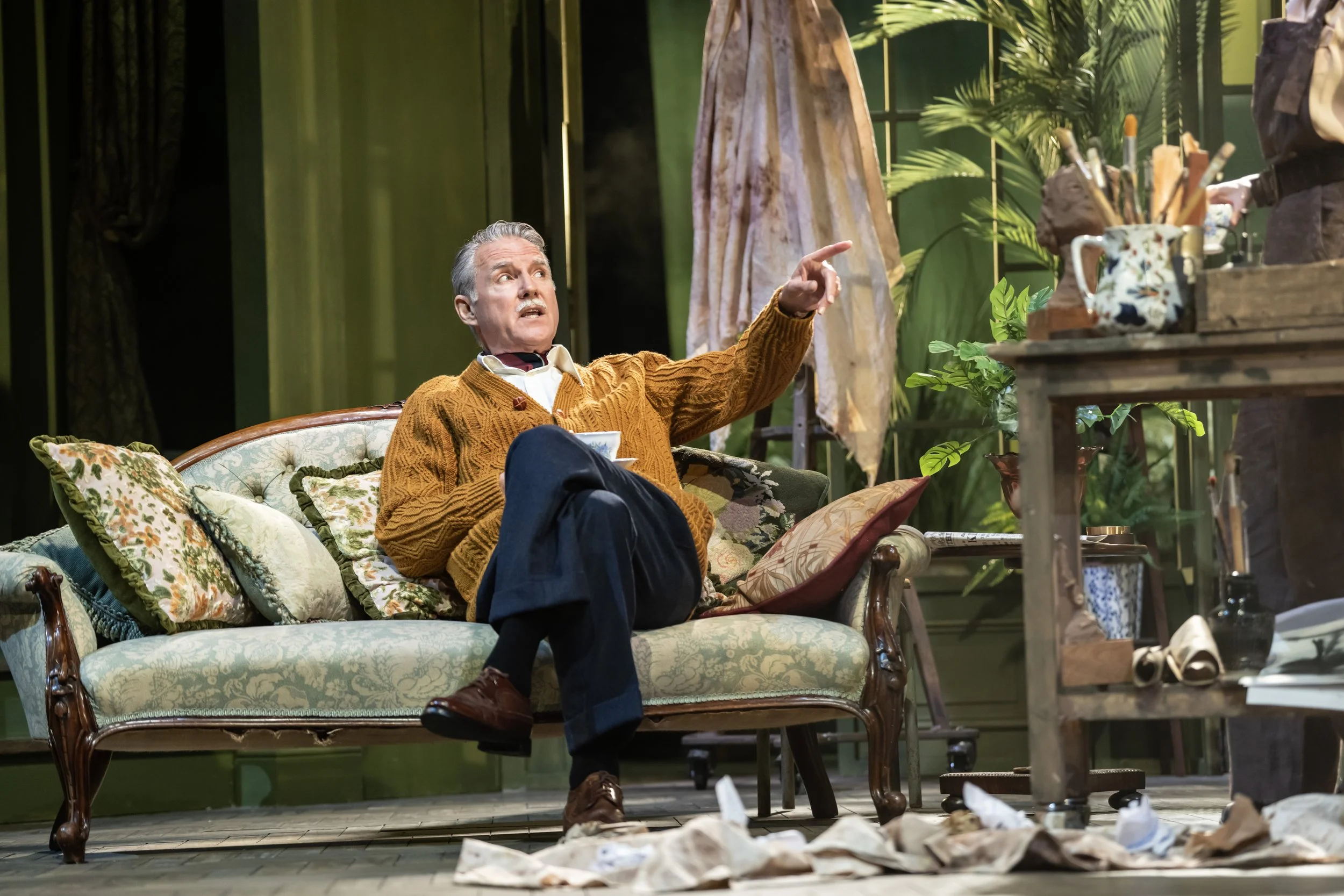
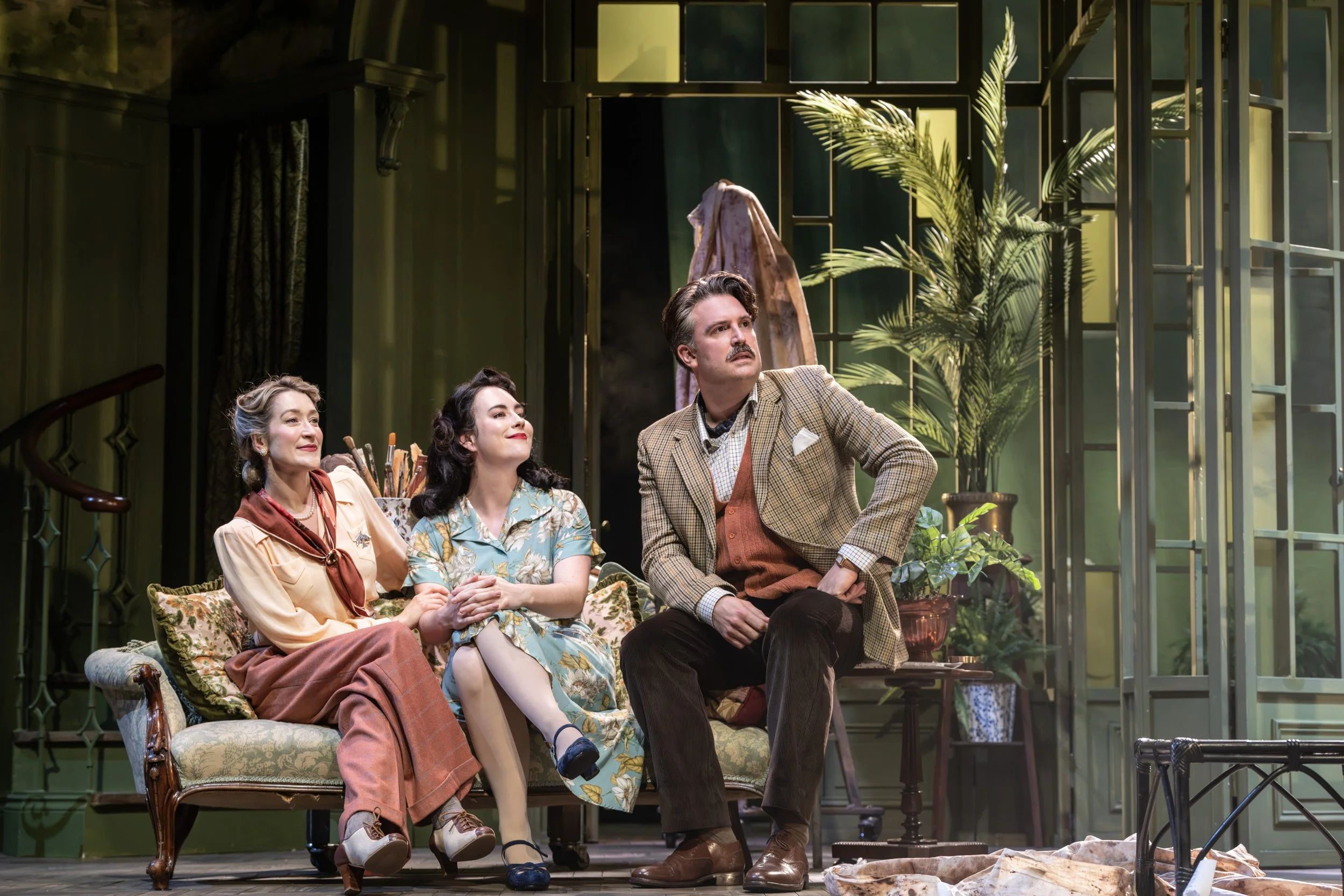
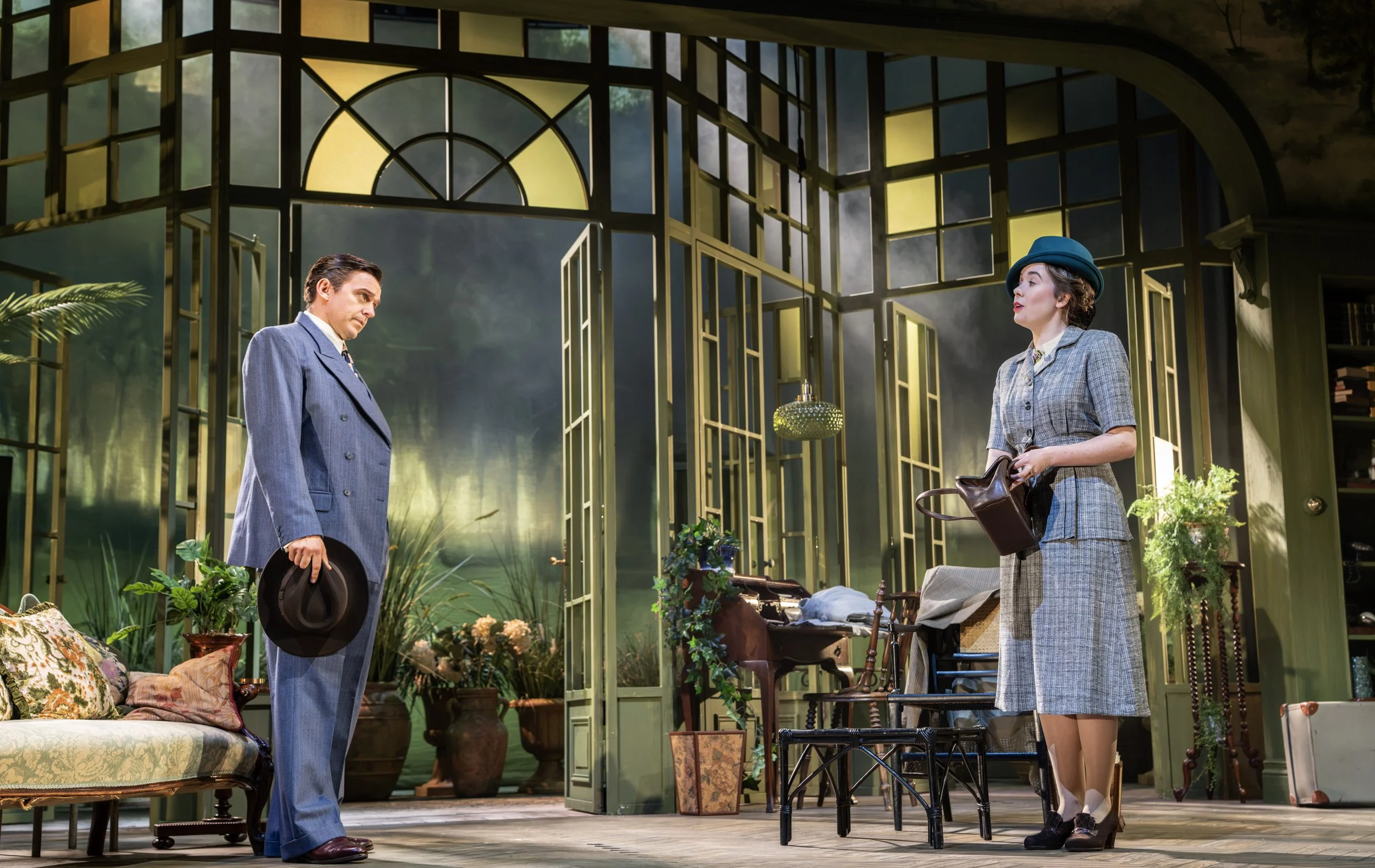
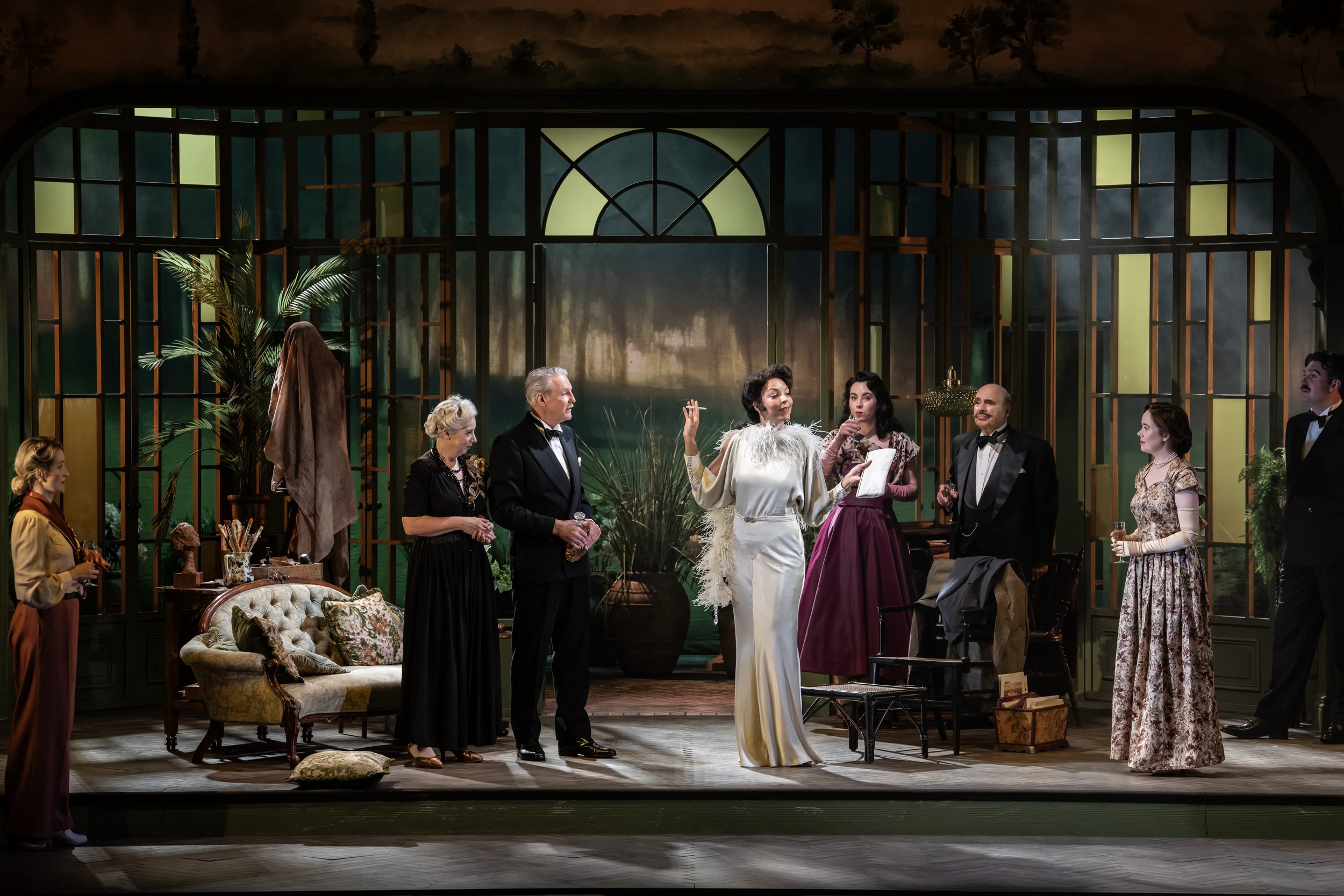
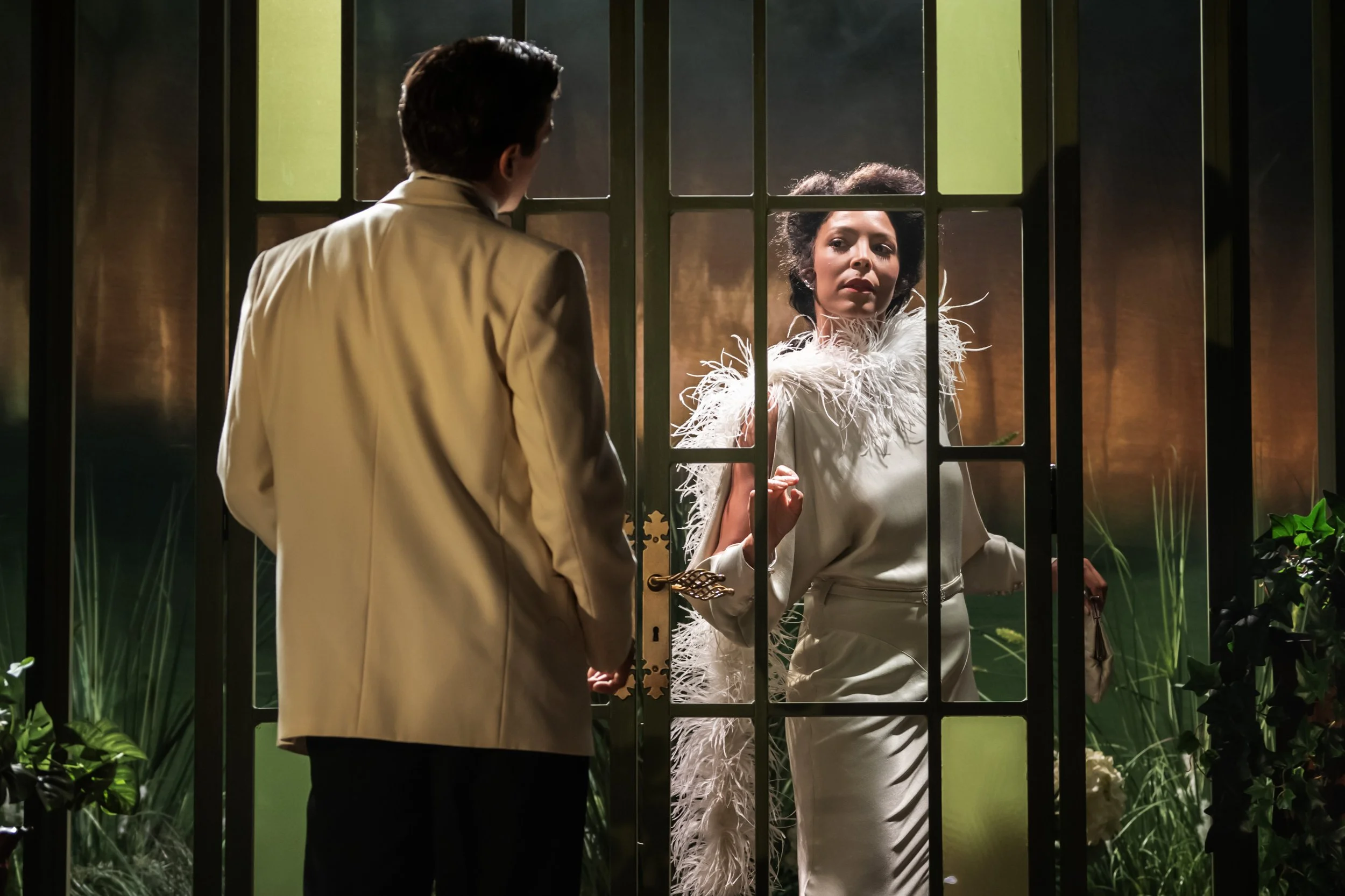
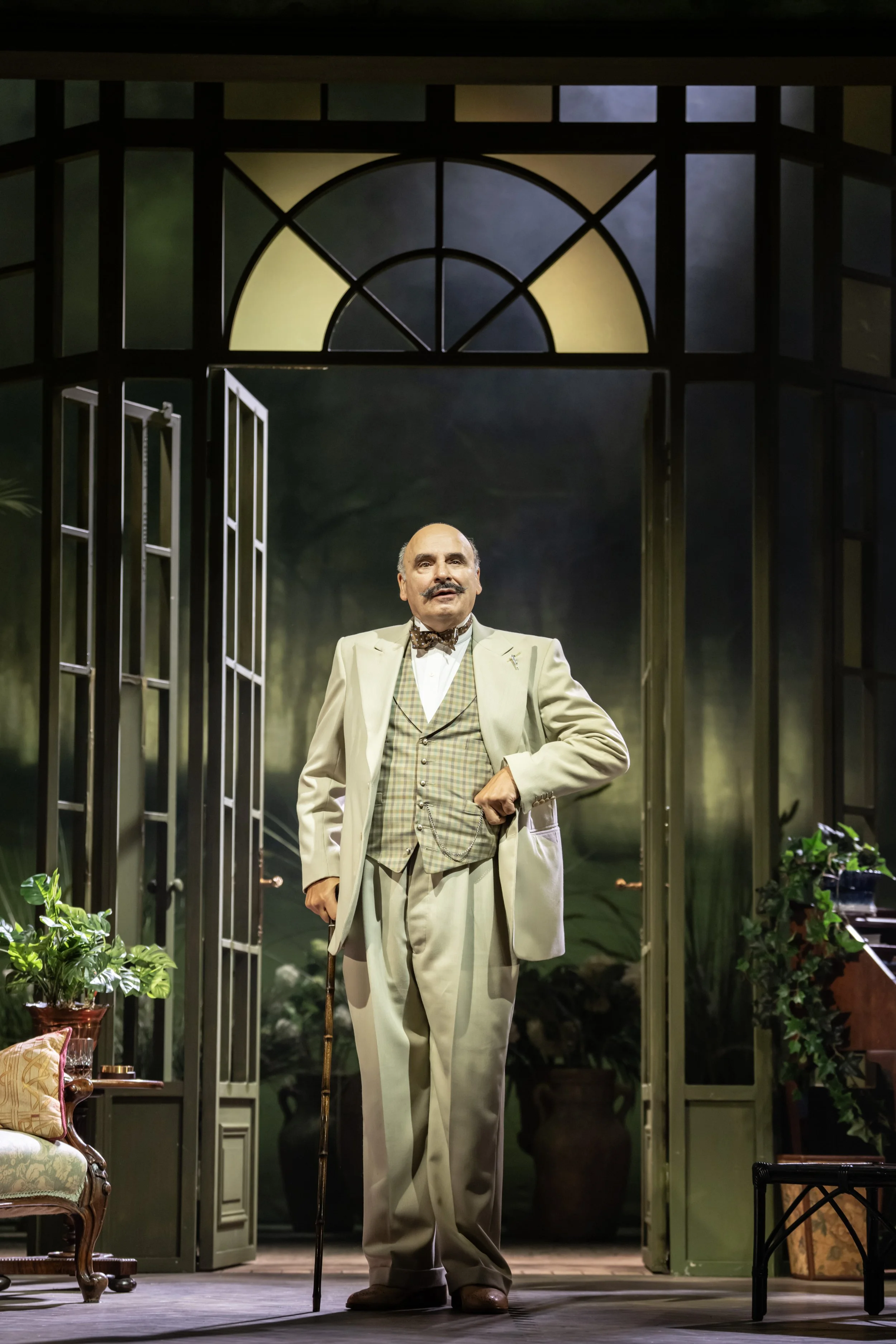
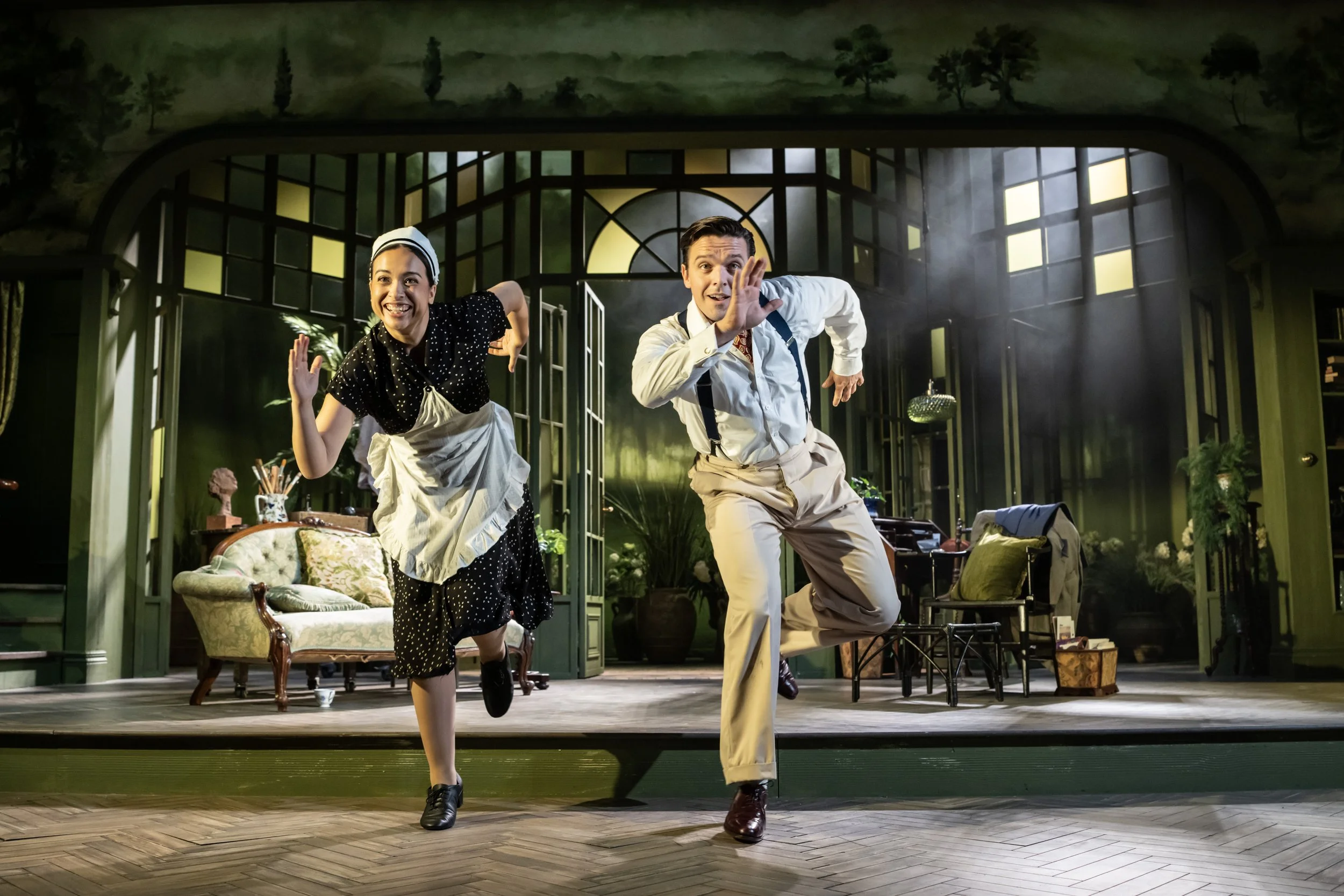
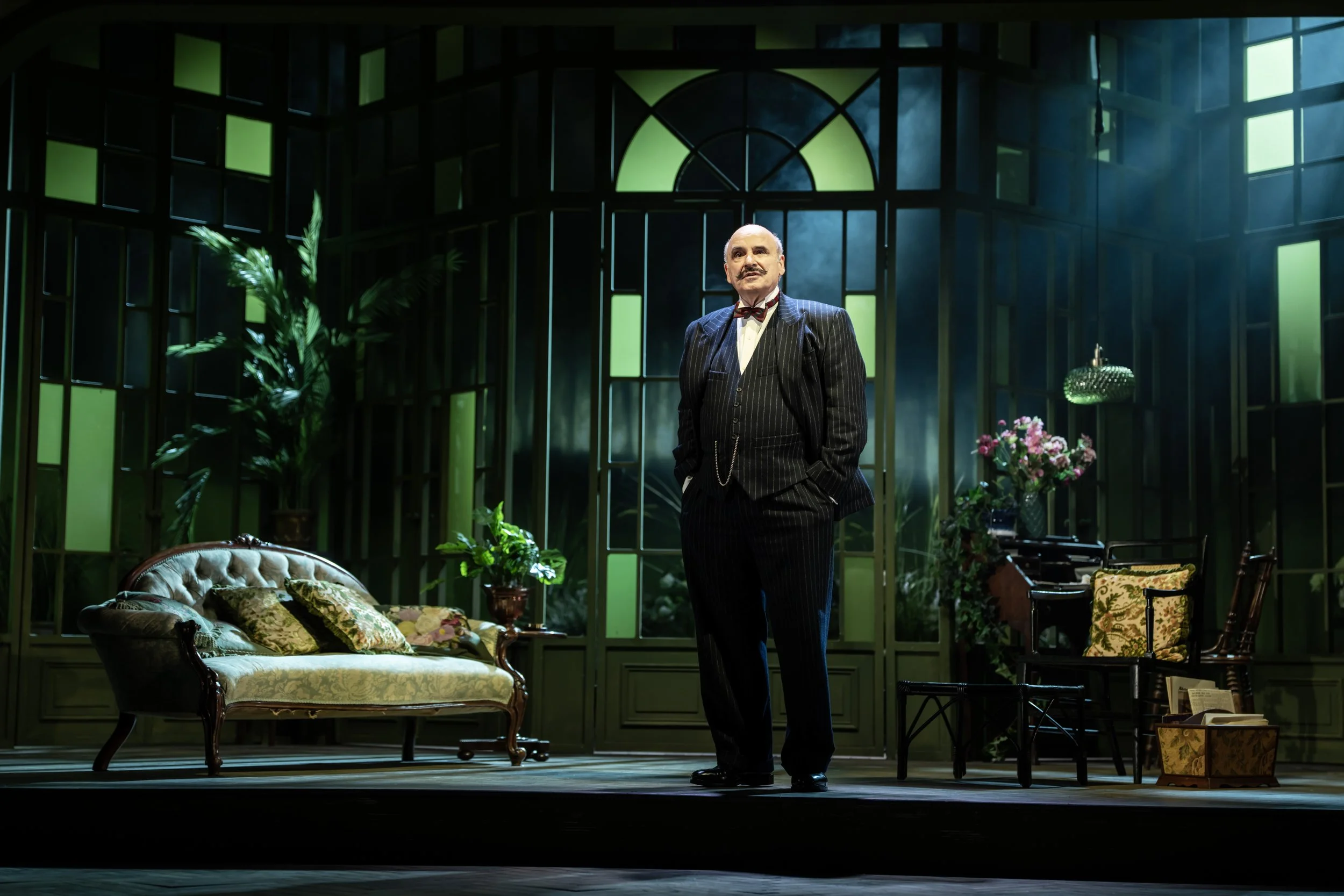
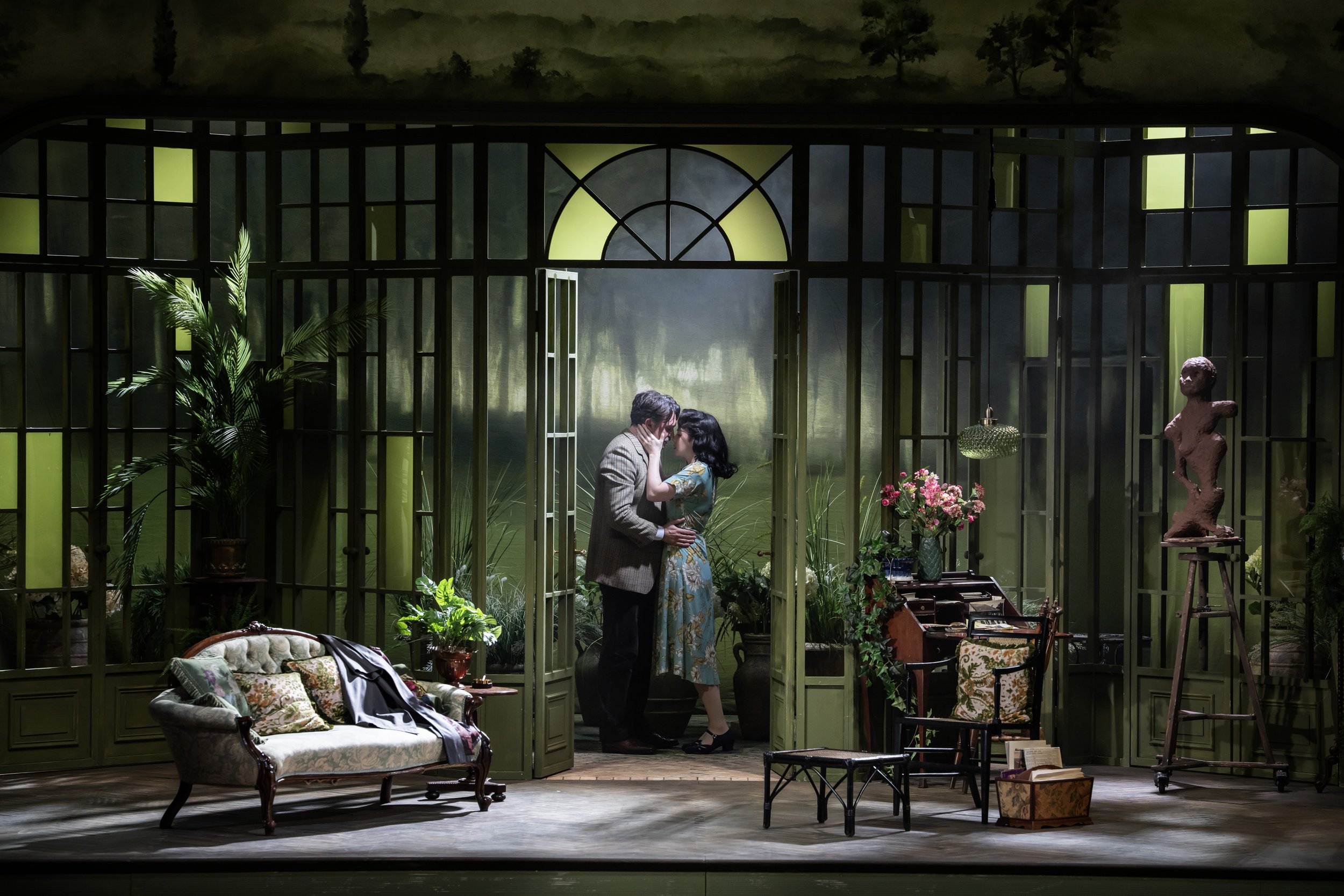
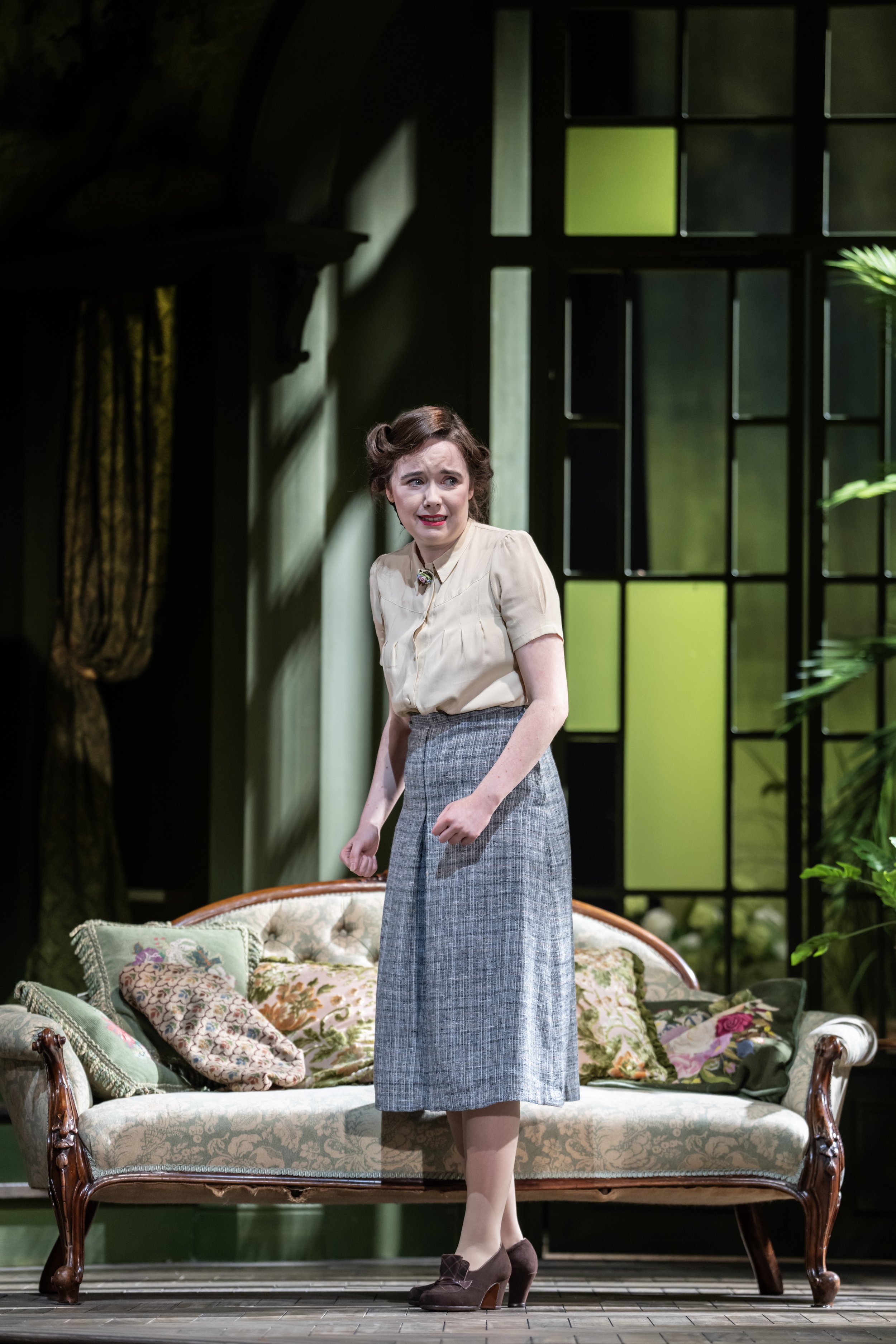
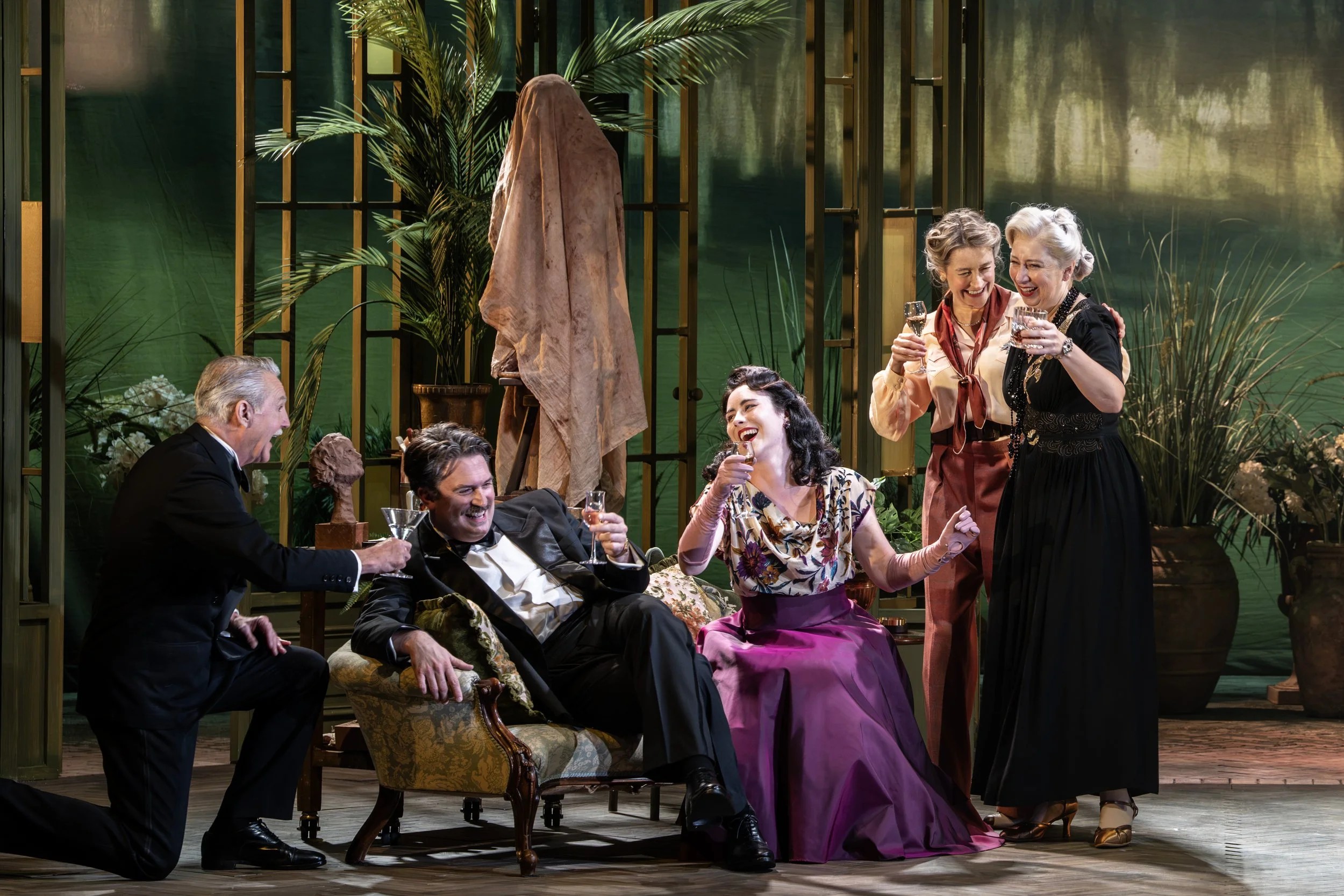
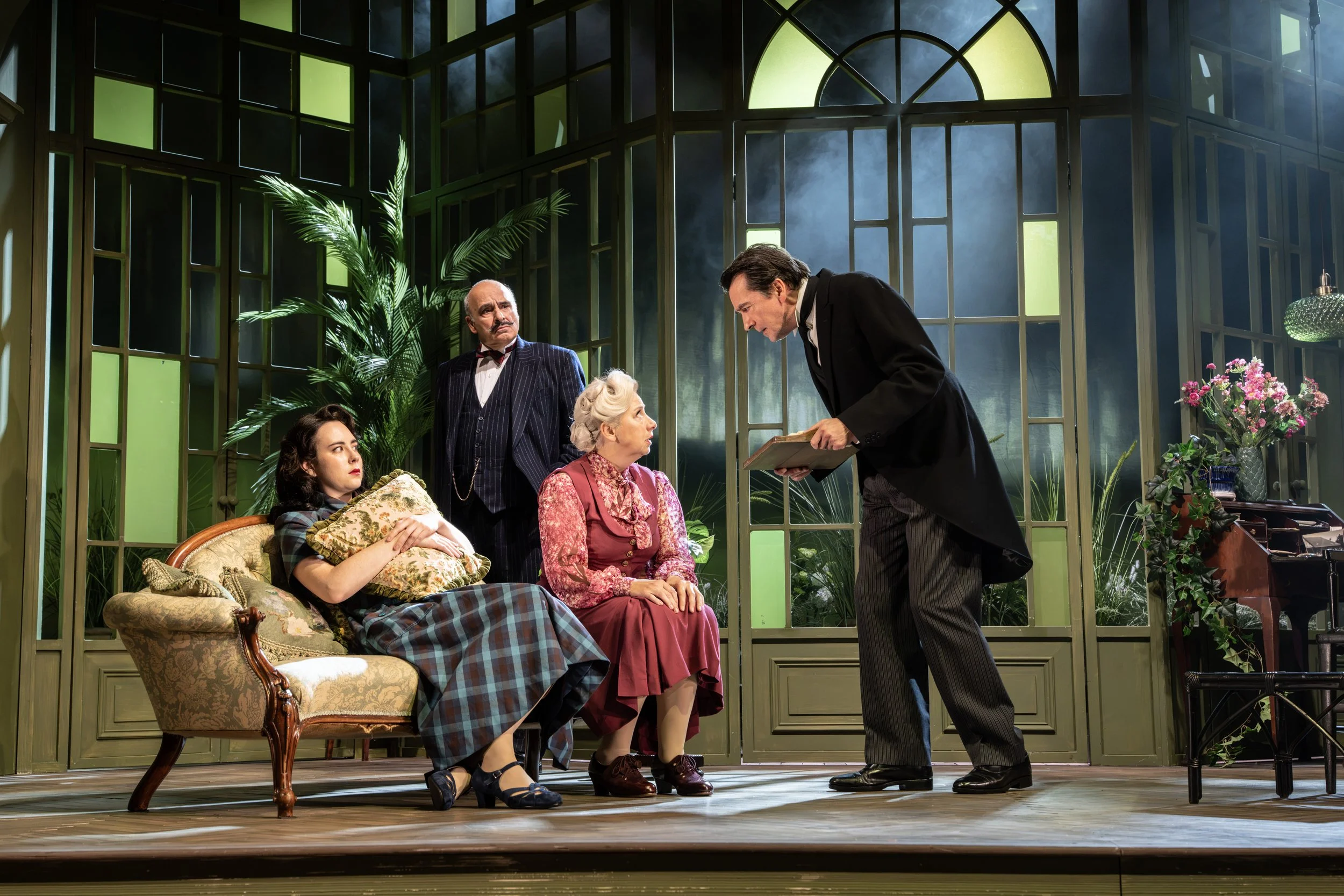
Peter Polycarpou takes on the role of Hercule Poirot, bringing all the charm, wit and trademark spark that fans of the Belgian detective will recognise and appreciate. He is a thoroughly enjoyable presence, providing that familiar sense of reassurance that, however complicated things become, Poirot is hopefully several steps ahead of everyone else.
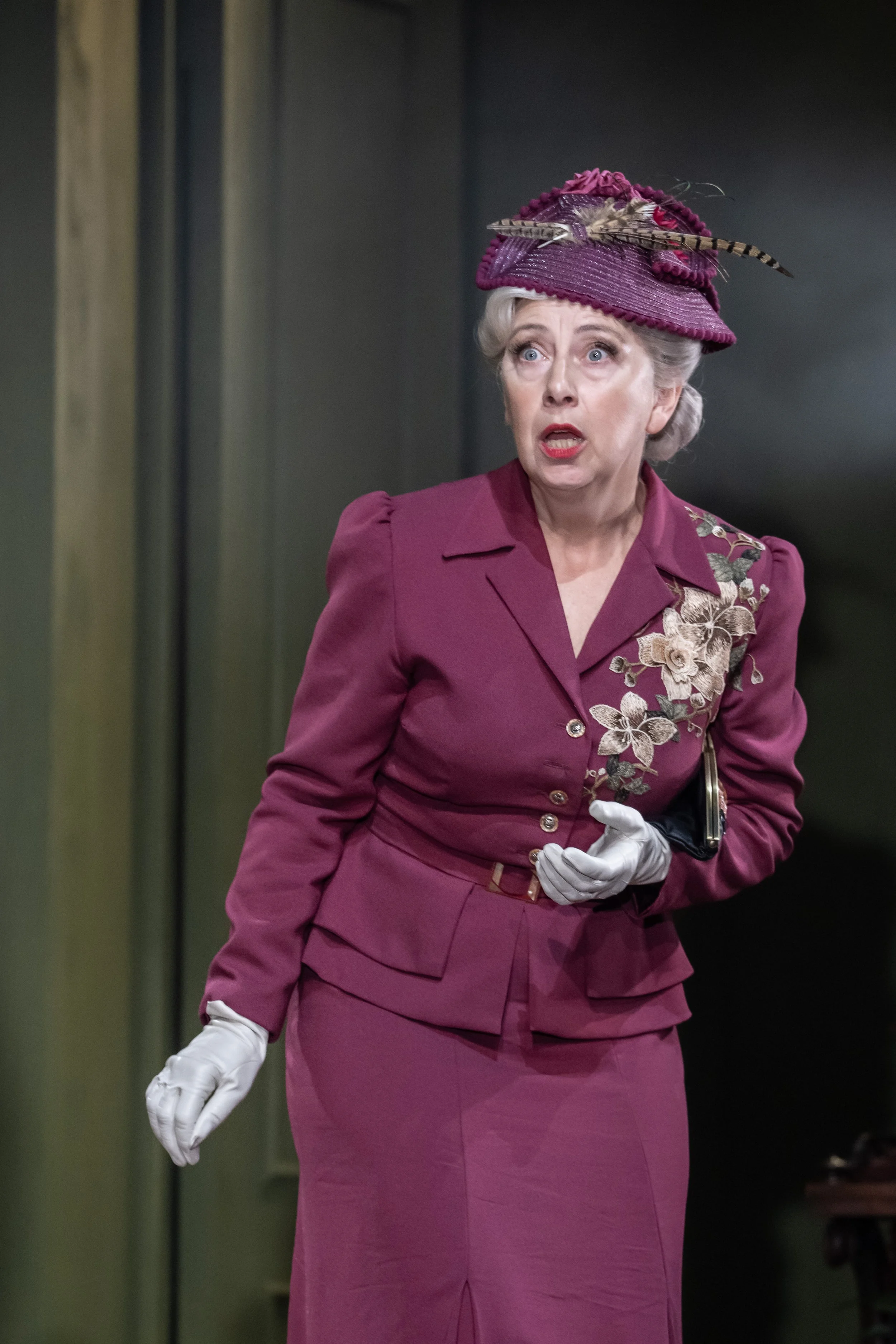
One particular standout for me was Sarah Moyle as Lady Lucy Angkatell. The wonderfully forgetful, almost woefully absent-minded lady of the house provides some of the production's funniest moments. Moyle brings such warmth and comic timing to the role that every time she appeared on stage, I found myself bracing for another wonderfully delivered observation or quick jab. She is an absolute delight and a welcome source of humour amid the increasingly uncomfortable goings-on.
What I particularly enjoyed about The Hollow was the way it encouraged conversation. For me, one of the best signs of a good murder mystery is finding yourself spending the interval debating with the friends sitting behind you about who the murderer might be, what their motives are and which seemingly insignificant detail might hold the key. We all had different theories, naturally, and everyone seemed equally convinced they had worked it out. Whether anyone was actually right is another matter entirely!
“A different kind of Poirot mystery, where the real intrigue lies in the characters as much as the crime”
This version of the production understands that a good murder mystery doesn't always need to be a race against the clock. Sometimes the most interesting clues are found in the characters themselves, and the things they say, avoid saying or desperately try to conceal. The result is a more character-driven Christie, one that builds its intrigue steadily before delivering a final revelation that makes the journey worthwhile.
If you're expecting another Murder on the Orient Express or Death on the Nile, you might find The Hollow a little different in its approach. But that is precisely its appeal. It offers something fresh while retaining the atmosphere, intrigue and theatrical pleasure that make Agatha Christie such an enduring favourite.
A thoroughly enjoyable evening of theatre, and a must-see for murder mystery fans. Just be prepared to spend the interval questioning absolutely everyone!