
Words, Pirouettes & Upside‑Down Houses: Inside the New Episode of Pain in the Arts
In their latest episode, Pain in the Arts hosts Chris J Birch and Jak Rhys Birch deliver another lively, sharply observed dive into Wales’ creative landscape — this time exploring everything from upside‑down houses to the value of storytelling in art. It’s an episode that blends humour, industry insight, and the kind of candid honesty that has quickly made the podcast a favourite among Welsh creatives.
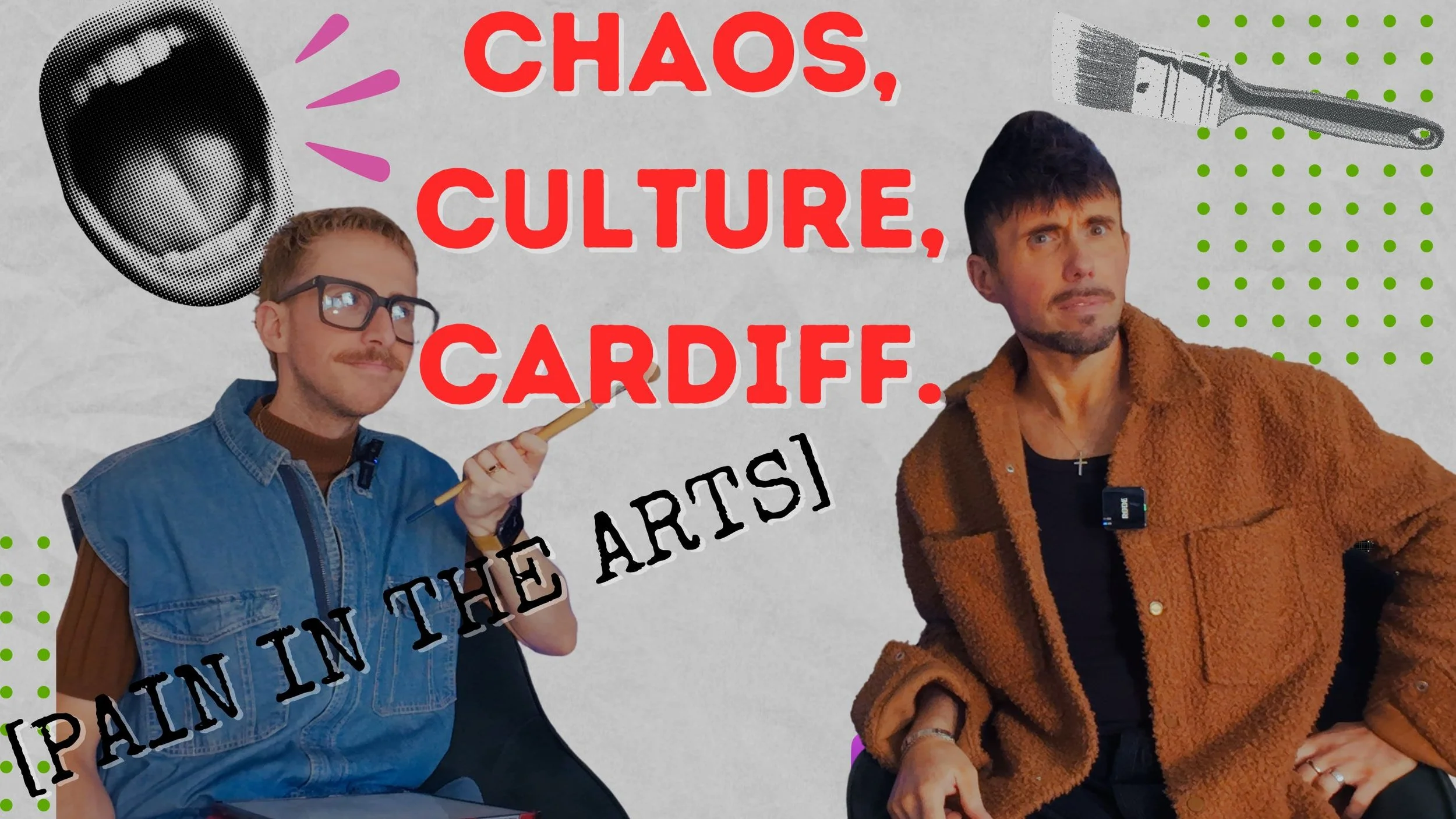
The episode opens with the pair teasing a packed week ahead: a visit to Cardiff’s new upside‑down house installation (“they’ve been building it over the last few weeks… you might recognise some local artists or designers inside” ), followed by a night at Diversity’s latest tour. It’s classic Pain in the Arts — a mix of cultural curiosity, local arts advocacy, and the joyful chaos of two people who genuinely love the sector they’re in.
But as always, the heart of the episode lies in the conversations sparked by listener questions.
VAT, Sole Traders & the Business of Being Creative
The first question comes from Amy, a musician wondering whether she should register for VAT. What follows is a surprisingly funny — and surprisingly useful — breakdown of the realities of creative self‑employment. Chris and Jak stress that while they’re not financial advisors, they’ve built and run multiple creative businesses, and they’re refreshingly honest about the confusion many artists feel around tax and turnover.
“People who are creatives… don’t recognise that they’re business people,” Chris notes, highlighting a gap in arts education that leaves many freelancers unsure of how to navigate the basics of self‑employment. The pair explain the VAT threshold (“if you have achieved a turnover of £83,000… then you need to register” ) and offer practical, non‑prescriptive guidance that demystifies the process without overwhelming listeners.
It’s a conversation that feels overdue — and one that many creatives will find reassuring.
Storytelling vs. Aesthetics: What Makes Art Connect?
The second question, from artist Caitlyn Flood‑Marlin, sparks one of the episode’s most thoughtful discussions: When you engage with art, do you care more about how it looks or what it means?
Jak describes their own gallery ritual — a fast lap through the space, followed by a return to the pieces that linger in the mind (“the ones that stick in my head are the ones I go back to” ). Chris admits he often responds first to visual appeal (“this is a pretty picture… I want to take it home” ), but both agree that storytelling deepens the connection.
The conversation expands into how audiences engage with art in the age of smartphones. Jak recalls a recent visit to the National Portrait Gallery, where crowds viewed Van Gogh’s Sunflowers exclusively through their phones (“no one was looking at that painting through their own eyes” ). It’s a sharp observation about how digital habits reshape our relationship with culture.
What emerges is a nuanced reflection on meaning, aesthetics, and the role of narrative in contemporary art — all delivered with the warmth and humour that define the show.
A Celebration of Welsh Creativity
Beyond the questions, the episode is peppered with the hosts’ trademark tangents: baking for family birthdays, the chaos of crowded music venues, and a shared love of independent bookshops. They shout out The Book Space in Cardiff (“a really, really great bookstore” ) and discuss upcoming Welsh literary events, reinforcing the podcast’s commitment to spotlighting local culture.
There’s also a recurring thread about the importance of community — whether it’s supporting indie bookshops, collaborating with other content creators, or simply acknowledging the shared challenges of working in the arts. As Jak puts it early in the episode, “a problem shared is a problem halved” — a sentiment that feels like the unofficial motto of the show.
Why This Episode Matters
Pain in the Arts continues to carve out a space that feels both deeply local and universally relatable. This episode, with its blend of practical advice, cultural commentary, and genuine affection for Wales’ creative sector, is a reminder of why the podcast resonates so strongly.
It’s not just about the arts — it’s about the people who make them, the stories behind them, and the messy, joyful, complicated reality of building a creative life.