Women at the Heart of a Nation: Rakie Ayola & Sophie Melville on Reclaiming Welsh History in Owain & Henry
The Wales Millennium Centre is preparing to stage one of the most ambitious productions in its history: Owain & Henry, a sweeping, visceral retelling of the Glyndŵr uprising. Written by Gary Owen and led by Michael Sheen, the production promises scale, sweat, poetry and political fire. But in a story traditionally dominated by men, something quietly revolutionary is happening.
Two women — Mared Ferch Dafydd and Lois — stand not behind the throne, but directly in its light.
In conversation with Rakie Ayola and Sophie Melville, it becomes clear that this production isn’t simply revisiting Welsh history. It’s rewriting who gets to stand at the centre of it.
Hear the Full Conversation in Audio at the Base of this Page
“Women have always been this involved… the patriarchy just erased those stories.”
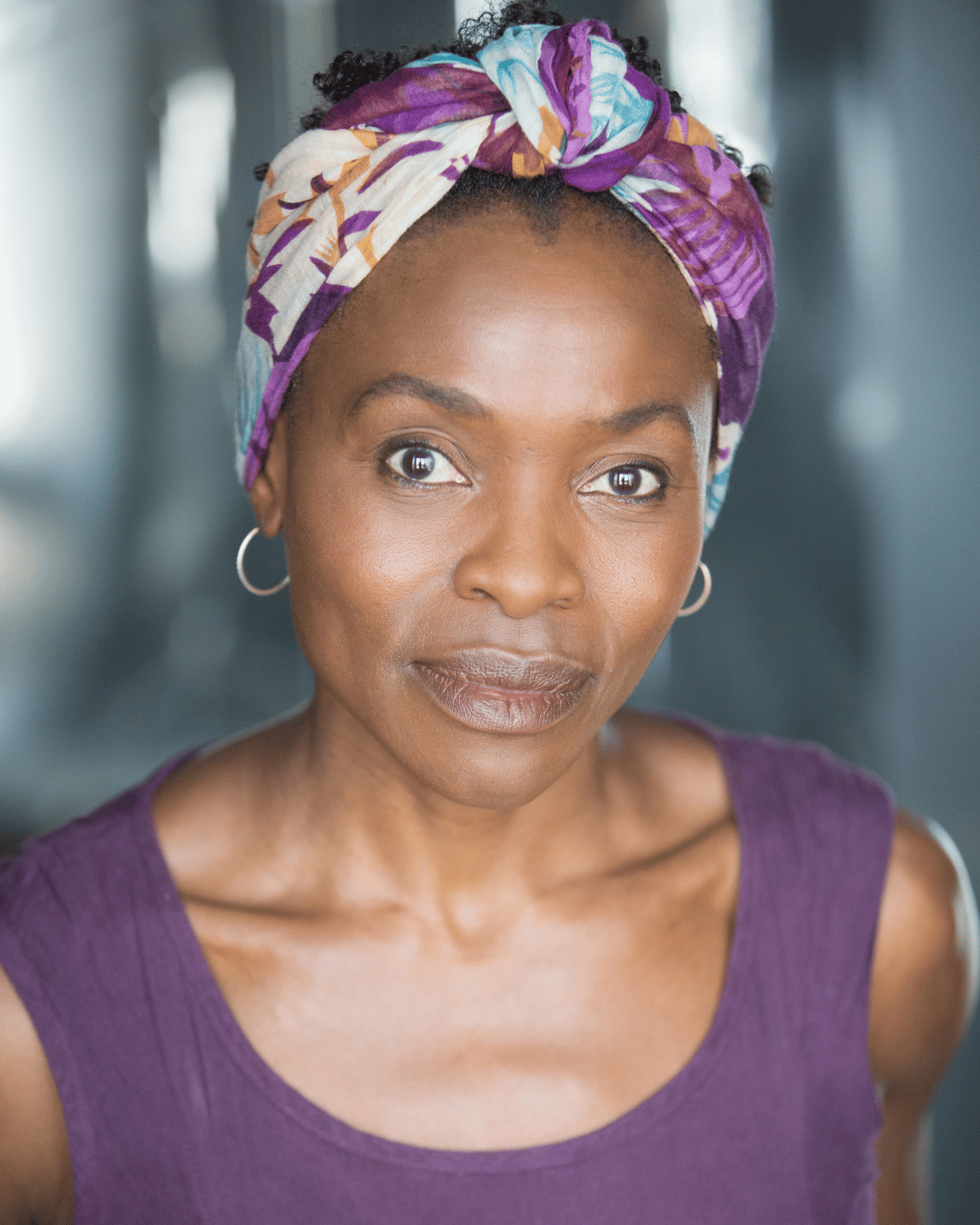
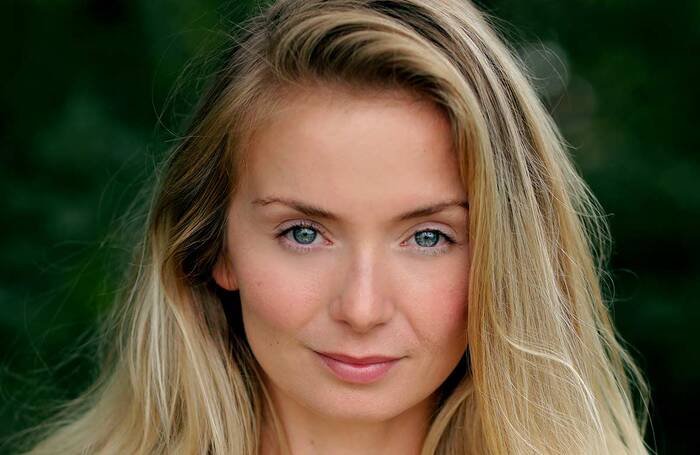
From the moment the interview begins, the energy is warm, playful, and unguarded. Hands fidget, chairs are shuffled, jokes land easily. But when the conversation turns to representation, the tone sharpens with purpose.
I open with the observation that Welsh storytelling from this era is “very male‑centric,” and that Owain & Henry appears to give “equal prominence, if not slightly more prominence” to its women. Their response is immediate:
“It feels really great. There was an early draft where both women were fantastic… but sort of disappeared. A bit Shakespeare‑esque. Went out to do some pillaging and never came back.”
That disappearance wasn’t something they were willing to accept.
“We separately spoke to Gary and said, ‘Really love her. Where does she go?’ You can’t cast us and expect us not to be a bit grumpy about that.”
Their advocacy reshaped the script. What emerged were two women who are not only present, but pivotal — pragmatic, brutal, strategic, and deeply human.
One line lands with particular force:
“Women have always been this involved. It’s just obviously the patriarchy has erased those stories.”
This production restores them.
“What’s the point of having the women if they’re there to do nothing?”
The performers speak with refreshing clarity about their expectations when taking on roles in a male‑heavy narrative.
“I would refuse to play someone who’s not at the forefront and not powerful — because it’s not true.”
“In a play like this where there are a lot of men… what’s the point of having the women if they’re there to do nothing and have no impact?”
Impact is the key word. They describe the importance of characters whose presence changes the scene, shifts the momentum, or forces decisions.
“Is anything changing as a result of her point of view or her opinion? That was massive.”
And crucially:
“You don’t need to be playing the character with all the words. You just need to know the writer’s interested in what you’re thinking when you’re not speaking.”
This is the kind of insight that reveals how representation is built — not through speeches, but through intention.
“It’s incredibly physical… 25 bodies just sweating.”
The scale of Owain & Henry is enormous. The performers paint a vivid picture of the rehearsal room:
“Going into a room with a cast of 25… then your creative team, production team, stage management. Maybe 50, 60 people in that room.”
“It’s incredibly physical. We’ve got an incredible fight director, incredible movement director — 25 bodies just, like, sweating.”
The Donald Gordon Theatre — the second‑largest stage in Europe — adds another layer of intensity.
“No pressure. We’re gonna fill it.”
The laughter that follows is half‑joke, half‑manifesto.
“What if Welsh theatre becomes an international exchange of ideas?”
Perhaps the most striking part of the interview is the performers’ vision for Welsh theatre’s future.
“Quite often as an actor you’re taught if you want to do something of this scale, it’s either a musical or you’ve gotta go to England.”
This production challenges that assumption entirely.
“What if Welsh theatre becomes an international exchange of ideas and creativity?”
“Let’s keep thinking beyond that. Let’s take this story, at this scale, all over the world.”
It’s a bold, expansive view — one that positions Owain & Henry not just as a production, but as a cultural milestone.
A landmark production — and a call to action
Owain & Henry is more than a historical drama. It is a reclamation of Welsh identity, a celebration of women’s power, and a statement about the future of Welsh storytelling. It is ambitious, physical, poetic, and unapologetically large in scale.
Most importantly, it is a reminder that the stories we inherit are not fixed. They can be rewritten — and reclaimed.