Historic Exhibition Reunites Welsh Manuscripts for the First Time in Nearly 1,000 Years
The story of 1066 has long been told through the eyes of the victors. Kings, castles and conquest dominate popular understandings of the Norman era. Yet a remarkable new exhibition at the National Library of Wales in Aberystwyth is challenging that familiar narrative by placing Welsh voices at the heart of one of the most transformative periods in British history.
Normans: The Welsh Perspective, now open to the public, brings together some of the most significant medieval manuscripts associated with Wales for the first time in nearly a thousand years. In doing so, it offers visitors a rare opportunity to explore how Welsh culture, learning and literary traditions endured and evolved during a period of immense political and social upheaval.
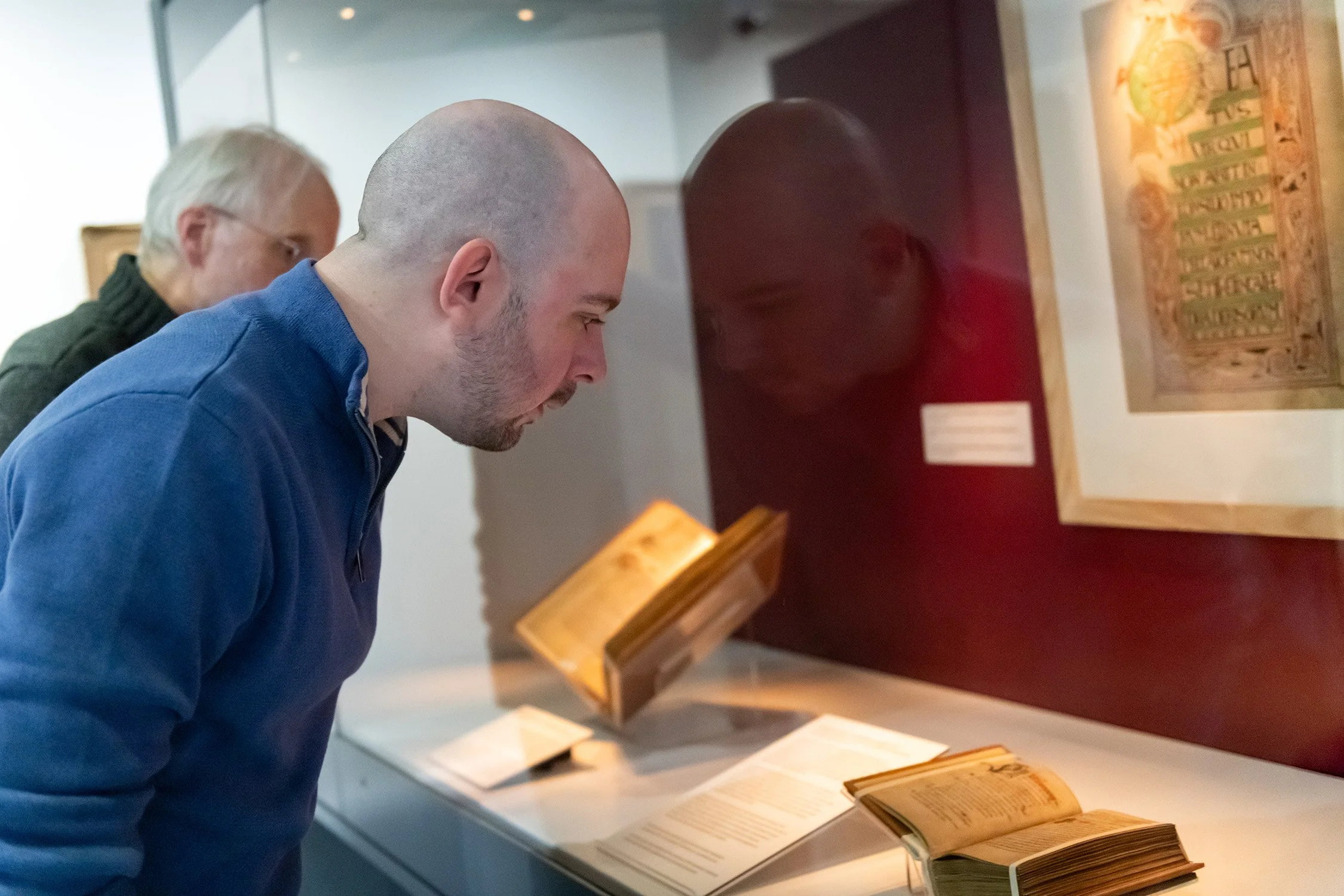
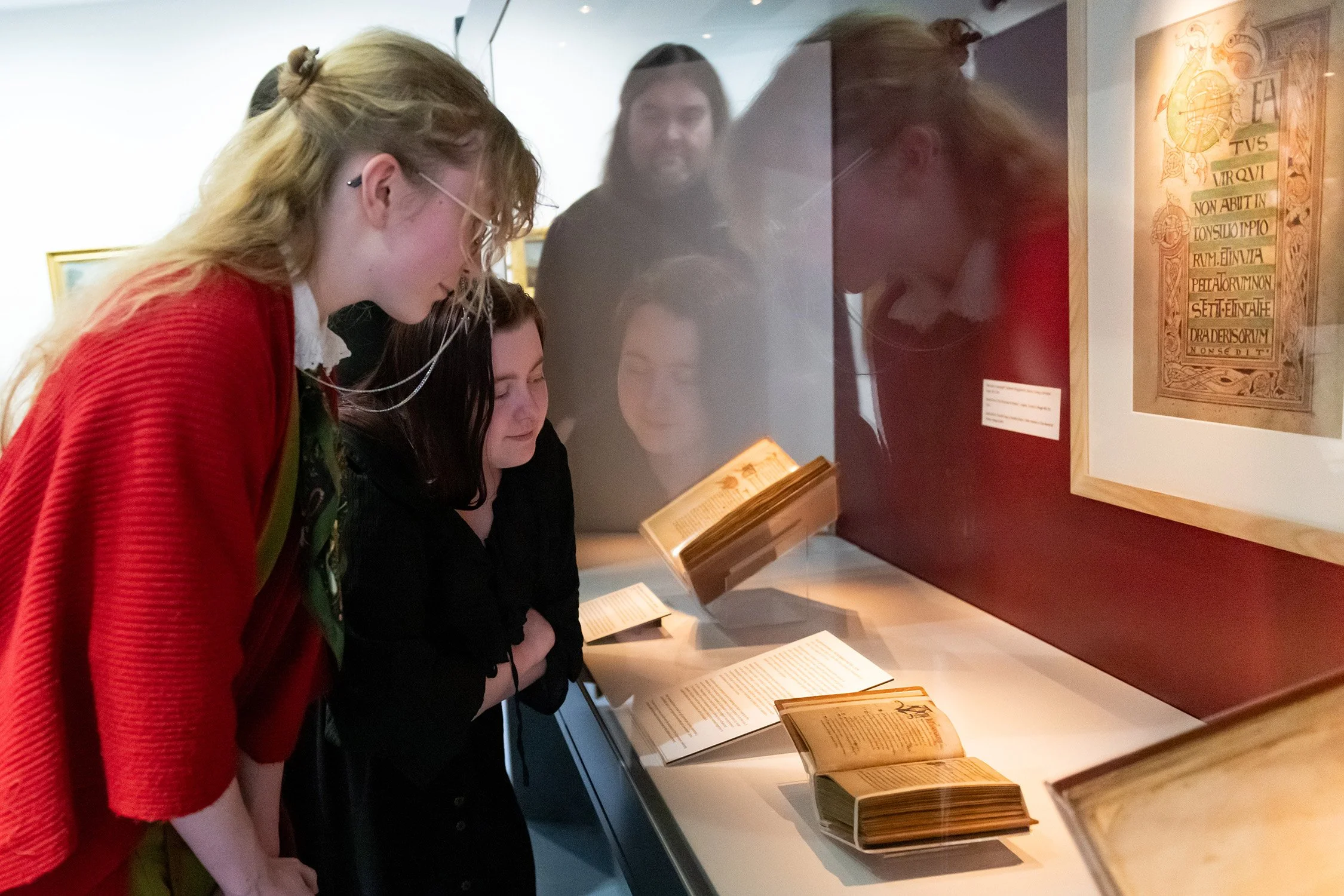
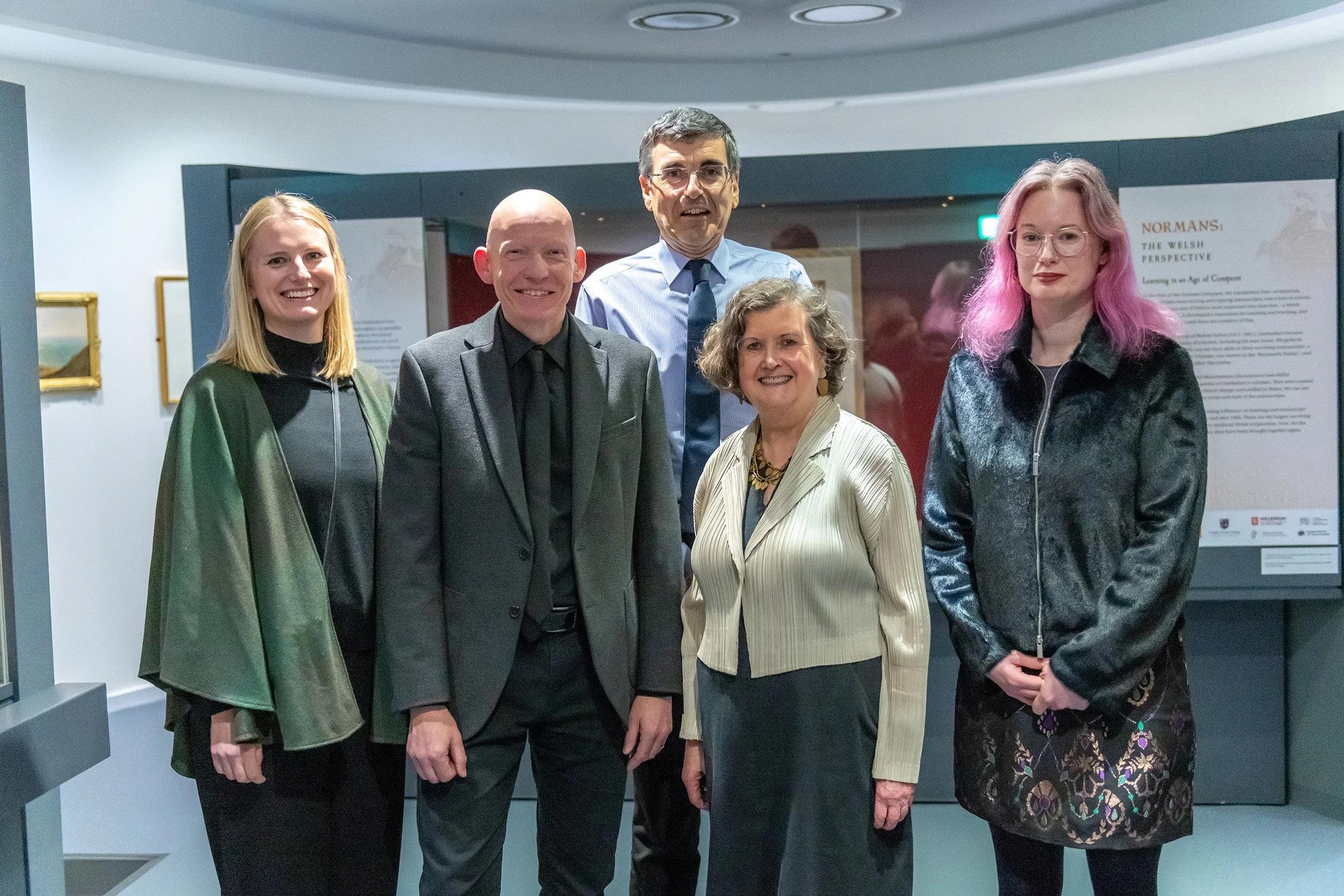
At the centre of the exhibition is the extraordinary reunion of three manuscripts produced in the renowned Llanbadarn Fawr scriptorium during the eleventh century. For the first time in centuries, the Ricemarch Psalter from Trinity College Dublin, St Augustine's De Trinitate from Corpus Christi College, Cambridge, and Commentarii in Somnium Scipionis from the British Library are displayed side by side.
Their reunion represents far more than an academic achievement. Together, the manuscripts provide tangible evidence of Wales' place within the intellectual and cultural networks of medieval Europe, demonstrating that Welsh centres of learning were actively engaged with wider scholarly traditions at a time often characterised solely by conflict and conquest.
Rhodri Llwyd Morgan, Chief Executive of the National Library of Wales, described the exhibition as one of the most significant medieval showcases ever presented by the institution.
"This is one of the most significant medieval exhibitions ever presented by the National Library of Wales. It brings international treasures back to Wales and enables us to tell the story of the Norman Conquest from a perspective that has too often been overlooked."
He added that the exhibition is not simply about military conquest but about "resilience, creativity and learning", highlighting the power of international collaboration in preserving and sharing cultural heritage.
The exhibition has been made possible through partnerships spanning Wales, Ireland, England and France, illustrating how modern cultural cooperation is helping to reconnect fragments of a shared European history.
Among those attending the official opening was Helen Shenton, Librarian and College Archivist at Trinity College Dublin, whose institution loaned the Ricemarch Psalter for the exhibition. She described the manuscript as being at the heart of western Europe's Celtic heritage and praised the partnership that has enabled its temporary return alongside related medieval works.
For Lucie Hobson, Manuscripts Curator at the National Library of Wales, the exhibition offers an unprecedented opportunity to explore Welsh literary culture at a pivotal historical moment.
"The Llanbadarn Manuscripts offer an unprecedented insight into Welsh literary culture at the time of the Norman Conquest," she said. "Together with other literary treasures from our collections, they tell the story of the Normans through Welsh eyes."
The exhibition also reinforces Aberystwyth's growing international reputation as a centre for literature and scholarship. As a UNESCO City of Literature, the town is already recognised for its contribution to research, writing and culture. The arrival of these manuscripts highlights how those traditions stretch back centuries, connecting contemporary Wales with a rich intellectual heritage that continues to inspire today.
The timing of the exhibition is particularly significant. It forms part of a wider international programme marking the millennium of the birth of William the Conqueror in 2027. While commemorations elsewhere may focus on the Norman ruler himself, the National Library of Wales has chosen to spotlight the communities, scholars and storytellers whose experiences are often overlooked in traditional accounts of the period.
Visitors will also be able to look ahead to the Library's next major exhibition, Arthur: From Wales to the World, opening in April 2027, which will explore how the legend of King Arthur travelled from its Welsh origins into the literature and cultures of Europe and beyond.
For anyone interested in Welsh history, medieval manuscripts, literature or cultural heritage, Normans: The Welsh Perspective offers a rare chance to witness the reunion of extraordinary treasures that have been separated for centuries.
Visitor Information
Exhibition: Normans: The Welsh Perspective
Venue: National Library of Wales, Penglais Hill, Aberystwyth SY23 3BU
Dates: Until March 2027
Admission: Free
For more information, visit library.wales.