“Culture Is Essential, Not Optional”: Heledd Fychan on the Future of the Arts in Wales
Edited for clarity and length
Wales is a nation built on story, song, and a deep-rooted creative identity. Yet many within the sector feel that the foundations of that identity have been eroded by years of underinvestment, shrinking opportunities, and the steady loss of cultural infrastructure. With the 2026 Welsh Parliament election approaching—and recent polling suggesting a significant shift in the political landscape—questions about the future of arts and culture have become more urgent than ever.
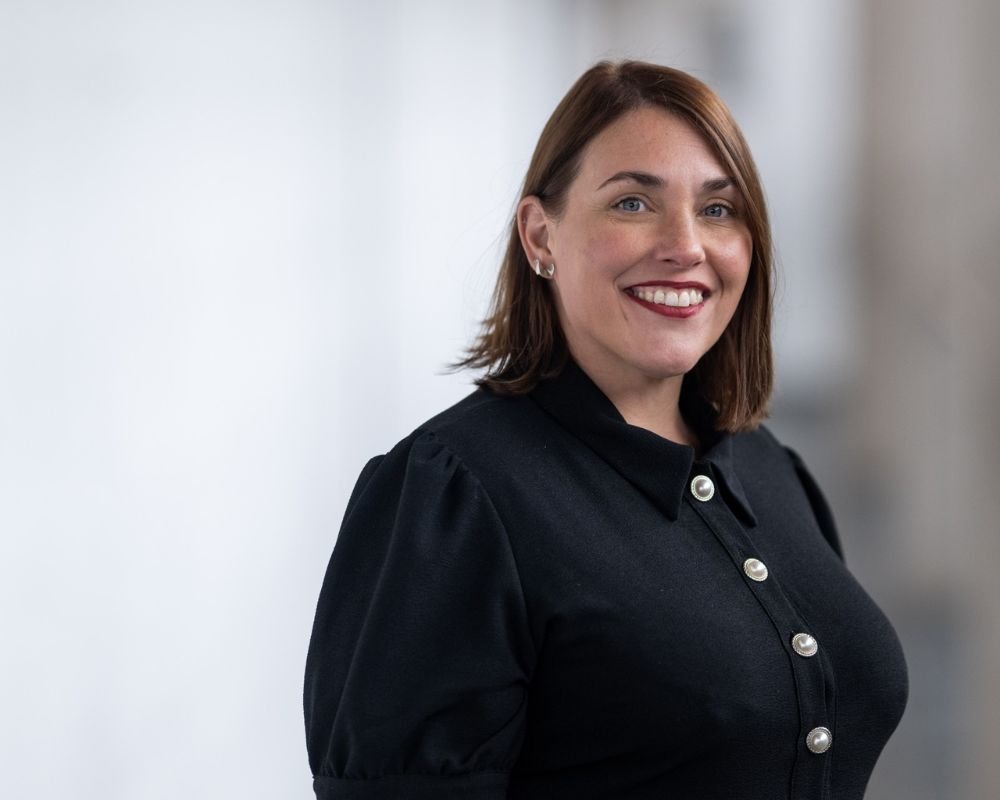
Heledd Fychan, a Member of the Senedd and Plaid Cymru politician, has spent much of her career working within Wales’s cultural and heritage institutions. As a former National Museum Wales professional, a board member of the Museums Association, and Chair of the Senedd’s Cross-Party Group on Arts and Health, she has long been a prominent voice calling for a renewed national commitment to culture.
We sat down with Heledd to discuss the state of the arts in Wales, the challenges facing freelancers and small organisations, and what she believes a thriving cultural landscape could look like in the decade ahead.
You can Listen to the Full, Unedited Interview at the Bottom of this Article
The Interview
(Edited for clarity)
You’ve spent much of your professional life in and around culture and heritage. What first drew you into that world?
I grew up in a very creative household—my parents worked in the TV industry, so I spent a lot of time on sets and around media. I was also part of a drama group, and later studied history and politics at university. Working for National Museum Wales felt like the perfect combination of my interests. I spent over 12 years across the museum sites, and through that became involved in cultural strategy work in Wales and at a UK level.
Is there a particular part of Wales’s cultural life that feels most personal to you?
It’s hard to choose because our culture is so rich—music, literature, visual arts, all of it. But I’m especially passionate about our history and the way culture has always been woven into Welsh identity. Even in medieval times, our princes had bards travelling with them. Poetry and music have always been part of everyday life here. That’s something worth safeguarding.
Many people feel that opportunities to learn music or participate in cultural activities have declined. Why do you think that is?
A big part of it is lack of investment. We’ve seen cuts to services, fewer teachers with musical skills, and the loss of community spaces like Miners’ Institutes that once supported local choirs and brass bands. There’s also been a decline in chapel and church attendance, which historically played a huge role in communal singing. Without strategic support, these things don’t just happen organically.
You sit on the Senedd’s Culture, Communications, Welsh Language, Sport and International Relations Committee. What issues are taking up the most space for you right now?
Since 2021, cultural organisations have repeatedly told us how tough things are. Freelancers are struggling, and we’ve seen major institutions like Welsh National Opera and the Royal Welsh College of Music & Drama facing significant challenges. Our committee has been trying to highlight where policy change and investment are urgently needed. Arts and culture are often treated as optional extras, but they’re essential—for wellbeing, for the economy, for our national identity.
You also chair the Cross-Party Group on Arts and Health. What potential do you see in that area?
The evidence is growing all the time. Arts aren’t just “nice to have” while people wait for treatment—they can be treatments in their own right. Dance programmes that improve mobility, singing programmes that support people with COPD, creative activities that reduce loneliness or help young people with mental health challenges. These interventions save money for the NHS and improve people’s lives.
Freelancers and small organisations often say they feel invisible in policy conversations. What needs to change?
I’ve been meeting with freelancers and unions to understand the issues. In sectors like film and TV, we’ve seen a rise in productions coming to Wales, but not always a rise in opportunities for Welsh workers. There are also concerns about working conditions and bullying. Other countries have introduced basic income schemes for artists—while funding is a challenge, I’d like us to explore what support could look like here. We shouldn’t be losing talented people because they feel they have no future in Wales.
If you imagine Wales’s cultural landscape 10 years from now, what would you hope to see?
I’d want us to have a clear roadmap—a proper cultural strategy that includes arts, heritage, and the creative industries. I’d want organisations to feel secure rather than fighting for survival every year. I’d want every child to have access to creative opportunities. And I’d want people outside Wales to look at us and think, “I wish my country supported culture like that.”
Despite the challenges, what gives you hope?
The passion of people working in the sector. The incredible talent we continue to produce. The fire in the belly that so many have right now to protect and grow our cultural life. And projects like Theatr y Ffwrnes or the redevelopment of Theatr Clwyd show what’s possible when we invest properly. There are pockets of brilliance everywhere—we just need to build on them.
To Listen to the Full Conversation with Heledd and I, Click Below where we first began our Conversation talking about My recent Wedding before the equally important Topic of Welsh Arts began.