
Where Wales Stands: What the 2026 Senedd Manifestos Say About Arts, Culture & Creativity
As Wales approaches the 2026 Senedd election, the cultural landscape—our arts, heritage, creative industries and the future of the Welsh language—sits at a crossroads. Each political party recognises culture as a defining part of Welsh life, but their manifestos reveal sharply different priorities and philosophies. Some frame culture as a public good, others as an economic engine, others as a matter of governance and neutrality. This article brings together a factual, comparison of what the six major parties say about culture in their 2026 manifestos, based on publicly available documents and reputable summaries.
Please Note: You should always read each Manifesto Yourself to ensure the Accuracy of the Data you Consume, as, although all Broadcasters and Journalists should ensure Political non-bias; unconscious bias’ can sometimes be present and can skew a narrative. For this reason; we have utilised AI to develop this article. We actively encourage all our Readers to do undertake their Own Research and not act solely upon isolated pockets of information.
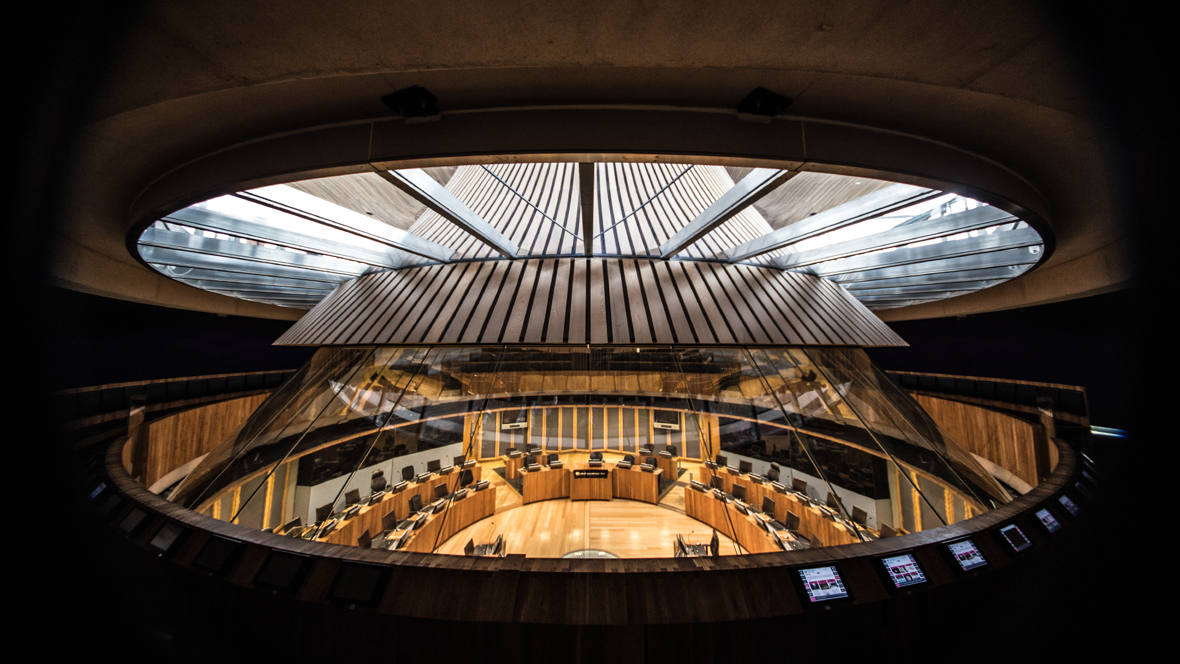
The Senedd Public Gallery - Image Courtesy of Senedd Wales
Plaid Cymru
Plaid Cymru’s manifesto places culture, heritage and the Welsh language at the centre of its national vision, with a dedicated chapter covering these areas in detail. The party frames culture as a public good that strengthens national identity, supports Cymraeg and contributes to wellbeing. Plaid’s approach is holistic, integrating arts, heritage, sport and language into a single strategic space. The manifesto emphasises community‑based cultural activity and positions cultural participation as essential to both social cohesion and national development. While specific funding commitments sit within the full culture chapter, the overarching direction is expansionist, aiming to grow cultural access and strengthen Welsh‑language cultural expression.
Key Points
Dedicated Culture, Sport and Welsh Language chapter
Culture and heritage positioned as tools to support Cymraeg
Culture framed as central to national identity
Cultural participation linked to wellbeing
Culture treated as a public good
Integrated approach across arts, heritage, sport and language
Support for community‑based cultural activity
Expansionist stance on cultural participation
Emphasis on strengthening Welsh‑language cultural expression
Detailed commitments located in the culture chapter
Full manifesto: https://www.partyof.wales/manifesto
Welsh Labour
Welsh Labour’s manifesto includes two dedicated chapters—one on Culture and one on Cymraeg—indicating a structured and deliberate approach to cultural policy. Labour identifies the creative industries as one of the major opportunity sectors in its forthcoming Industrial Strategy for Wales, positioning culture as part of economic growth as well as public value. The party’s cultural commitments sit within a wider agenda of fairness, access and institutional support, with museums, arts councils and national bodies playing a central role. Labour’s approach to the Welsh language is similarly structured, with a full chapter outlining its plans. Detailed arts and heritage measures are contained within the Culture chapter of the full manifesto.
Key Points
Two dedicated chapters: Culture and Cymraeg
Creative industries identified as a major opportunity sector
Cultural policy aligned with fairness and access
Strong role for public institutions
Structured approach to Welsh‑language growth
Culture integrated with education and community development
Continuity with existing cultural infrastructure
Creative industries framed as part of economic growth
Culture treated as a defined policy area
Specific arts measures located in the Culture chapter
Full manifesto: https://www.welshlabour.wales/manifesto
Welsh Liberal Democrats
The Welsh Liberal Democrats dedicate a full chapter to “Welsh Language, Culture and Sport,” signalling a clear policy focus on cultural life. Their proposed Welsh Industrial Strategy identifies the creative industries as one of Wales’ core industrial strengths, linking culture to innovation and economic diversification. The party places strong emphasis on Welsh‑medium education and bilingual outcomes, arguing that cultural participation begins with linguistic access. Commitments such as travel‑time guarantees for Welsh‑medium schooling and investment in bilingual resources shape the long‑term landscape for Welsh‑language arts and media. The manifesto frames culture as part of a modern, outward‑looking Wales, with detailed commitments located in the culture chapter.
Key Points
Dedicated chapter: Welsh Language, Culture and Sport
Creative industries listed as a core industrial strength
Culture linked to language, education and identity
Commitment to bilingual outcomes for all school leavers
Travel‑time guarantees for Welsh‑medium education
Emphasis on bilingual resources supporting Welsh‑language arts
Culture framed as part of a modern Wales
Creative industries tied to innovation
Support for widening cultural access
Detailed cultural commitments in the chapter
Full manifesto: https://www.welshlibdems.wales/manifesto
Reform UK Wales
Reform UK’s cultural stance is distinct from the other parties, focusing primarily on governance, neutrality and historical interpretation rather than arts development or creative‑sector growth. The manifesto pledges to “end political indoctrination in heritage” and to “restore evidence‑led history,” requiring publicly funded museums and heritage bodies to present history chronologically and in context. Reform proposes reviewing cultural funding to ensure political neutrality and argues that Welsh cultural institutions should reflect the full breadth of Welsh history. The party supports modernisation of museums and pledges to ring‑fence cultural spending, but does not outline a creative industries strategy or expansionist Welsh‑language cultural agenda.
Key Points
Focus on governance and neutrality in heritage
Pledges to “end political indoctrination in heritage”
Commitment to “restore evidence‑led history”
Requires chronological, contextual presentation of history
Proposes reviewing cultural funding for neutrality
Institutions should reflect full breadth of Welsh history
Supports modernisation of museums
Pledges to ring‑fence cultural spending
No creative industries strategy identified
No expansionist Welsh‑language cultural agenda
Full manifesto: https://www.reformparty.uk/welsh-manifesto-english.pdf
Green Party of Wales
The Green Party of Wales frames culture as a public good essential to wellbeing, community resilience and social cohesion. Their manifesto commits to expanding and protecting Welsh‑language arts, media and cultural expression as part of a broader linguistic‑rights agenda. The Greens emphasise community‑led cultural projects, fair pay for creative workers and widening access to arts and culture regardless of income or geography. They encourage cultural organisations to adopt environmentally sustainable practices and support the protection of heritage sites through community stewardship. Creative industries are included within a wider vision of a sustainable, future‑focused Welsh economy.
Key Points
Culture framed as a public good
Strong support for Welsh‑language arts and media
Investment in community‑led cultural projects
Support for fair pay for creative workers
Commitment to widening cultural access
Encourages sustainable practices in cultural organisations
Supports protection of heritage sites
Backs investment in public cultural institutions
Links culture to wellbeing and resilience
Creative industries included in a green economic vision
Full manifesto: https://wales.greenparty.org.uk/wp-content/uploads/sites/51/2026/04/Senedd-Manifesto-2026-EN2.pdf
Welsh Conservatives
The Welsh Conservatives’ manifesto contains no dedicated chapter on arts, culture or heritage, and does not outline a creative industries strategy. Cultural policy appears primarily through the lens of education, with proposals for specialist schools in areas including the arts, and commitments to widen community access to school facilities such as performance spaces. The party frames Welsh‑medium education as a matter of parental choice rather than cultural development. No new arts funding commitments or heritage policies are identified in the manifesto, and there are no references to national cultural bodies such as Cadw, Creative Wales or Amgueddfa Cymru in available summaries. As a result, the cultural footprint of the manifesto is minimal.
Key Points
No dedicated arts, culture or heritage chapter
No creative industries strategy identified
Support for specialist schools in the arts
Commitment to community access to school arts facilities
Welsh‑medium education framed as parental choice
No new arts funding commitments identified
No specific Welsh‑language cultural commitments
No references to national cultural bodies
Cultural policy footprint is minimal
Cultural positioning primarily education‑adjacent
Full manifesto: https://www.conservatives.wales/sites/www.conservatives.wales/files/2026-03/Welsh%20Conservatives%20Manifesto%202026%20EN_0.pdf
Conclusion
Across the six parties, Wales’ cultural future is framed in markedly different ways. Plaid Cymru and the Green Party emphasise culture as a public good tied to wellbeing and identity. Welsh Labour and the Welsh Liberal Democrats integrate culture with economic strategy, particularly through the creative industries. Reform UK Wales focuses on heritage governance and neutrality, while the Welsh Conservatives present minimal cultural policy beyond education‑adjacent measures.
Please Note: This Information is a Snapshot Summary and should be treated as such. For Suggestions or Amendment Queries; Please Get in Touch