Frida Kahlo and the Problem with Becoming an Icon
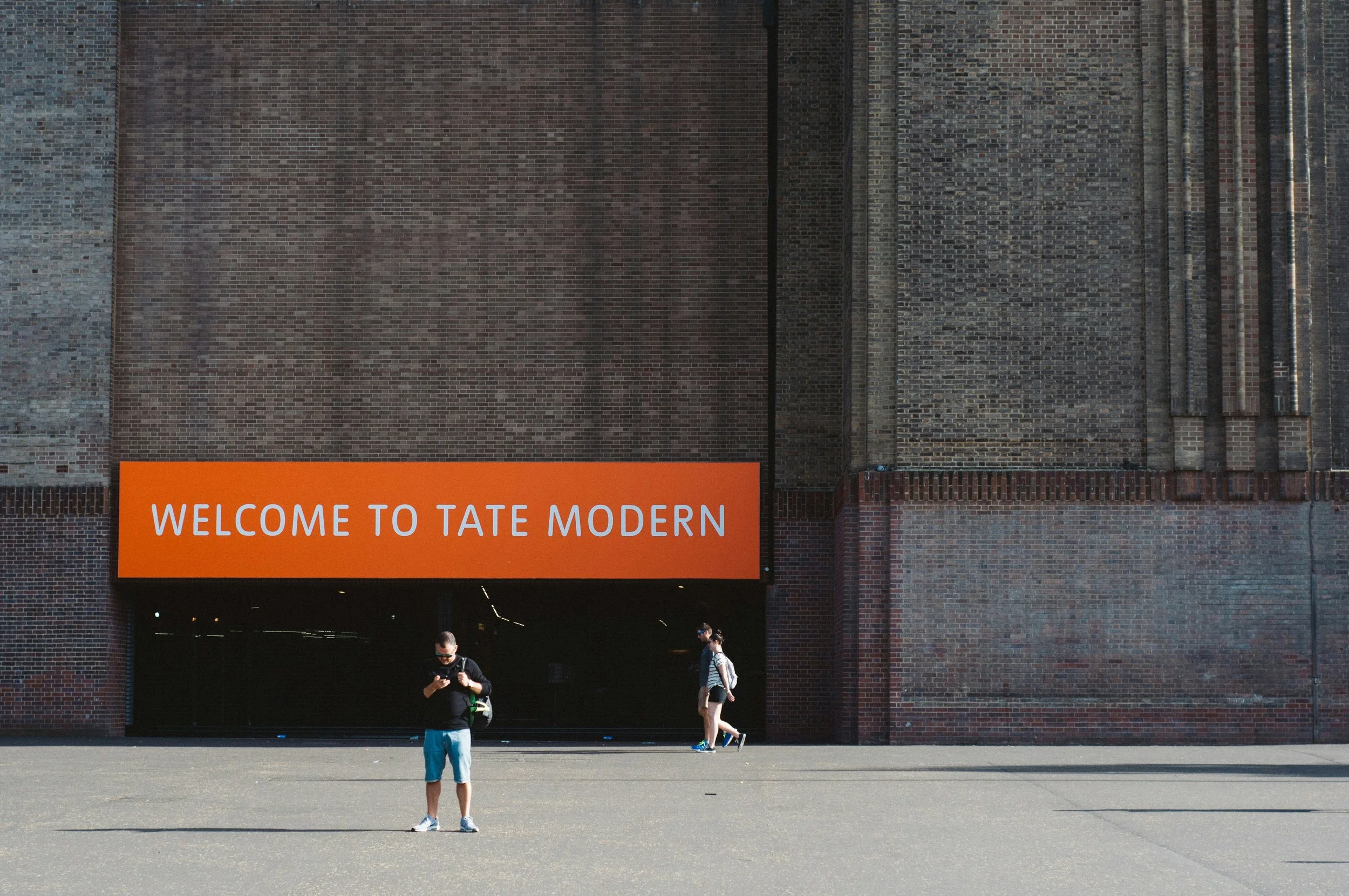
Few artists have become as instantly recognisable as Frida Kahlo. Her face appears on mugs, notebooks, tote bags, clothing and posters across the world. Her signature flower crowns, embroidered dresses and striking self-portraits have become part of popular culture, reaching people who may never have stepped inside an art gallery.
It is an extraordinary legacy, but it also raises an uncomfortable question.
Has the world fallen in love with Frida Kahlo the artist, or Frida Kahlo the brand?
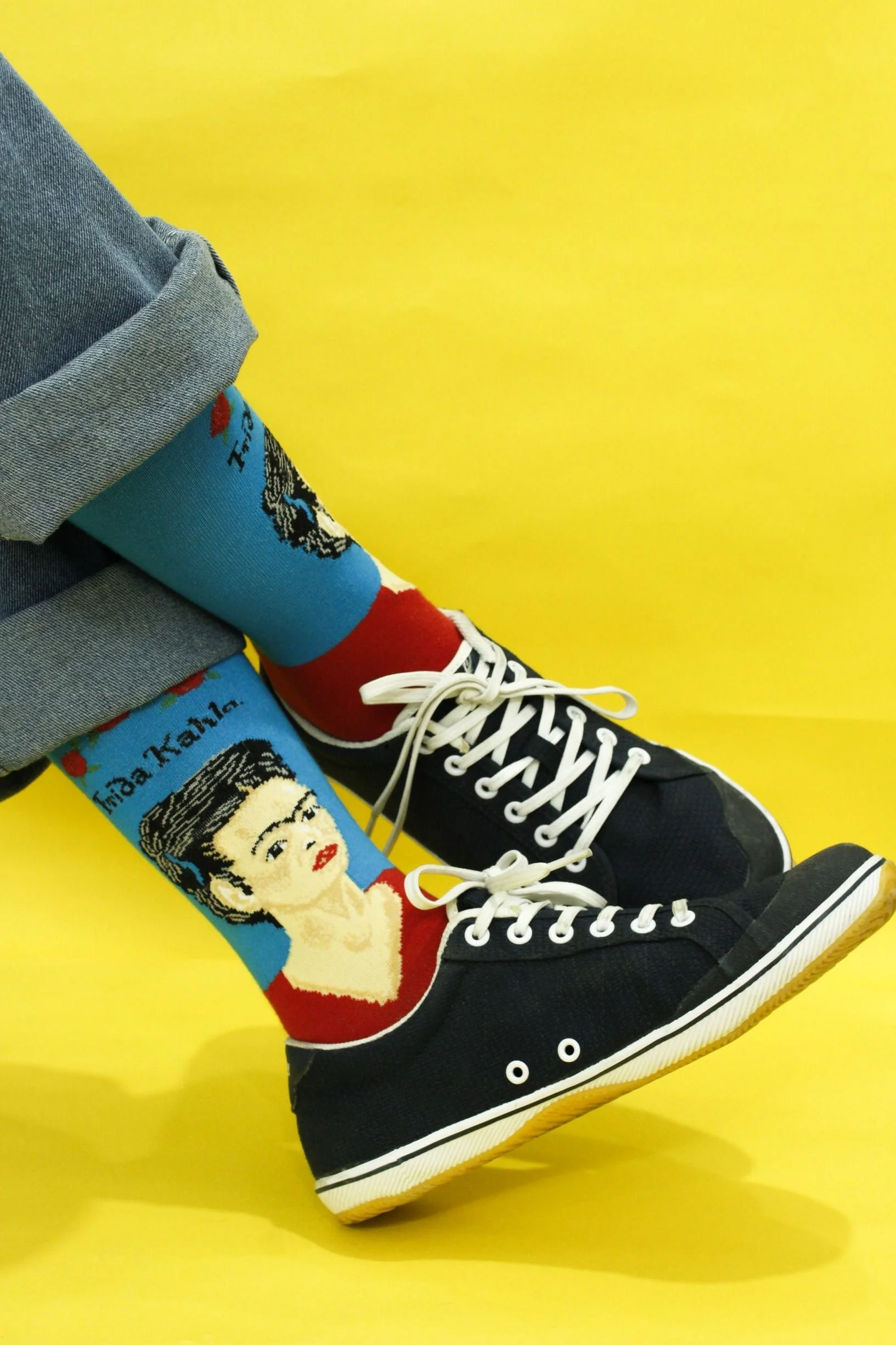
That question sits at the heart of Frida: The Making of an Icon, the latest exhibition at Tate Modern. Rather than simply celebrating Kahlo's paintings, the exhibition explores how she evolved from a Mexican artist into one of the most recognisable cultural figures of the twentieth and twenty-first centuries. It examines photography, fashion, film, advertising and popular culture alongside her artwork to ask how an individual becomes an icon.
It is an ambitious and thought-provoking premise. Yet it also exposes one of the greatest contradictions surrounding Frida Kahlo today. The woman who spent much of her life resisting convention, consumerism and the commercialisation of identity has herself become one of the most commercially successful figures in art history.
More than a self-portrait artist
Frida Kahlo's image has become so familiar that it often overshadows her work.
Born in Coyoacán, Mexico in 1907, Kahlo grew up during a period of enormous political and cultural change. She later chose to identify her birth with the beginning of the Mexican Revolution in 1910, a symbolic decision that reflected how closely she tied her own identity to the future of Mexico. For Kahlo, politics was never something separate from everyday life. It shaped her values, her appearance and ultimately her art.
As a child she contracted polio, leaving one leg permanently weakened. Despite this, she excelled academically and hoped to study medicine. Painting was never intended to become her career.
Everything changed in 1925 when the bus she was travelling on collided with a tram. The accident left her with life-changing injuries, including multiple fractures to her spine, pelvis and legs. During months of recovery she was confined to bed wearing body casts, with a mirror suspended above her so she could paint.
This is one of the reasons so many of her paintings are self-portraits. It was not vanity that drove her to paint herself. It was necessity. She became both artist and subject because she had little alternative.
That distinction matters because Kahlo's self-portraits are frequently misunderstood. They are not simply images of her face. They are visual records of physical pain, emotional hardship, identity, politics and survival.
Painting reality rather than fantasy
Frida Kahlo is often associated with Surrealism because of the dreamlike symbolism found throughout her work. Broken bodies, floating hearts and impossible landscapes have encouraged comparisons with artists such as Salvador Dalí.
Kahlo herself rejected that interpretation.
Her paintings were never intended to depict fantasy. They represented her lived experience.
Works including The Broken Column transform years of chronic pain into powerful visual metaphors. Her fractured spine becomes a crumbling architectural column while metal nails pierce her skin, reflecting the constant discomfort she endured following dozens of surgeries.
Similarly, The Two Fridas explores heartbreak, identity and belonging through two versions of herself seated side by side. It remains one of the most emotionally complex self-portraits ever painted, combining personal grief with questions about heritage and cultural identity.
Understanding these works means understanding the woman behind them. Every symbol has its roots in lived experience.
A political artist first
One of the greatest misconceptions surrounding Frida Kahlo is that her work exists solely within the realm of autobiography.
While her life undoubtedly informed her paintings, she was also deeply political.
Kahlo was an outspoken communist and believed art should engage with society rather than exist as decoration. She celebrated Indigenous Mexican culture at a time when European fashions and traditions were often viewed as more desirable by the country's elite.
The traditional Tehuana clothing she wore has become one of her defining visual characteristics. Today it is frequently reproduced as a fashionable look, yet for Kahlo it represented something far more significant. It expressed cultural pride while also helping conceal the medical braces she relied upon after years of surgery.
Even her appearance challenged convention. She refused to alter her facial hair or conform to Western beauty standards simply to satisfy public expectations.
These decisions were political acts as much as personal ones.
Reducing them to aesthetics strips away much of their meaning.
The making of a global icon
When Frida Kahlo died in 1954, she was respected within artistic circles but remained overshadowed internationally by her husband, muralist Diego Rivera.
Her rise to global fame happened decades later.
The feminist movement of the 1970s helped introduce her work to new audiences, recognising both the artistic quality of her paintings and the deeply personal subjects she explored. Museums followed, then publishers, filmmakers, fashion designers and eventually global brands.
Today Kahlo's face has become one of the most reproduced images in the art world.
That visibility has undoubtedly introduced millions of people to her work.
It has also transformed her into a commercial product.
The irony is difficult to ignore. An artist who challenged capitalism and rejected traditional ideas about beauty now generates enormous commercial value through merchandise that often removes the politics from her story.
Her image is celebrated while her beliefs are frequently left behind.
Does Tate Modern solve the problem?
This is what makes Frida: The Making of an Icon such an intriguing exhibition.
Rather than ignoring Kahlo's transformation into a cultural phenomenon, Tate Modern actively explores it. Visitors are encouraged to consider how photographs, media coverage, fashion and commercial products contributed to creating the version of Frida recognised around the world today.
It is a clever curatorial approach because it acknowledges that Kahlo's legacy extends far beyond paint on canvas.
Yet the exhibition cannot entirely escape the contradiction it examines.
Large museums have become cultural brands in their own right. Blockbuster exhibitions attract huge audiences, extensive media attention and inevitably, well-stocked gift shops.
That raises an uncomfortable question.
Can an institution genuinely critique the commercialisation of an artist while simultaneously participating in the economy that surrounds them?
There is no easy answer.
The exhibition appears conscious of this tension, but awareness alone does not remove it.
Visitors leave having reflected on Kahlo's transformation into an icon before walking past shelves of products that continue the process.
Perhaps that paradox is unavoidable.
Perhaps it even reinforces the exhibition's central argument more effectively than any gallery text could.
Looking beyond the flower crown
Frida Kahlo deserves her place among the greatest artists of the twentieth century.
Not because she became famous.
Not because she is instantly recognisable.
Not because her image has become fashionable.
She deserves it because she transformed unimaginable physical suffering into extraordinary works of art that continue to resonate across generations. She painted disability with honesty, explored identity without compromise and refused to separate her personal experiences from her political beliefs.
The challenge for audiences today is to look beyond the familiar image.
The flowers, the embroidered dresses and the famous unibrow are only the surface.
The real Frida Kahlo was complex, fiercely intelligent, politically engaged and uncompromising in her vision.
If Frida: The Making of an Icon encourages visitors to rediscover that artist beneath the mythology, then it succeeds.
If they leave remembering only the icon, then perhaps it has simply become another chapter in the very story it set out to question.
To Listen to the full Pain in The Arts podcast episode where Chris & Jak discuss this topic and more click here.