What Plaid Cymru’s 2026 Cultural Proposals Could Mean for Wales’ Creative Future
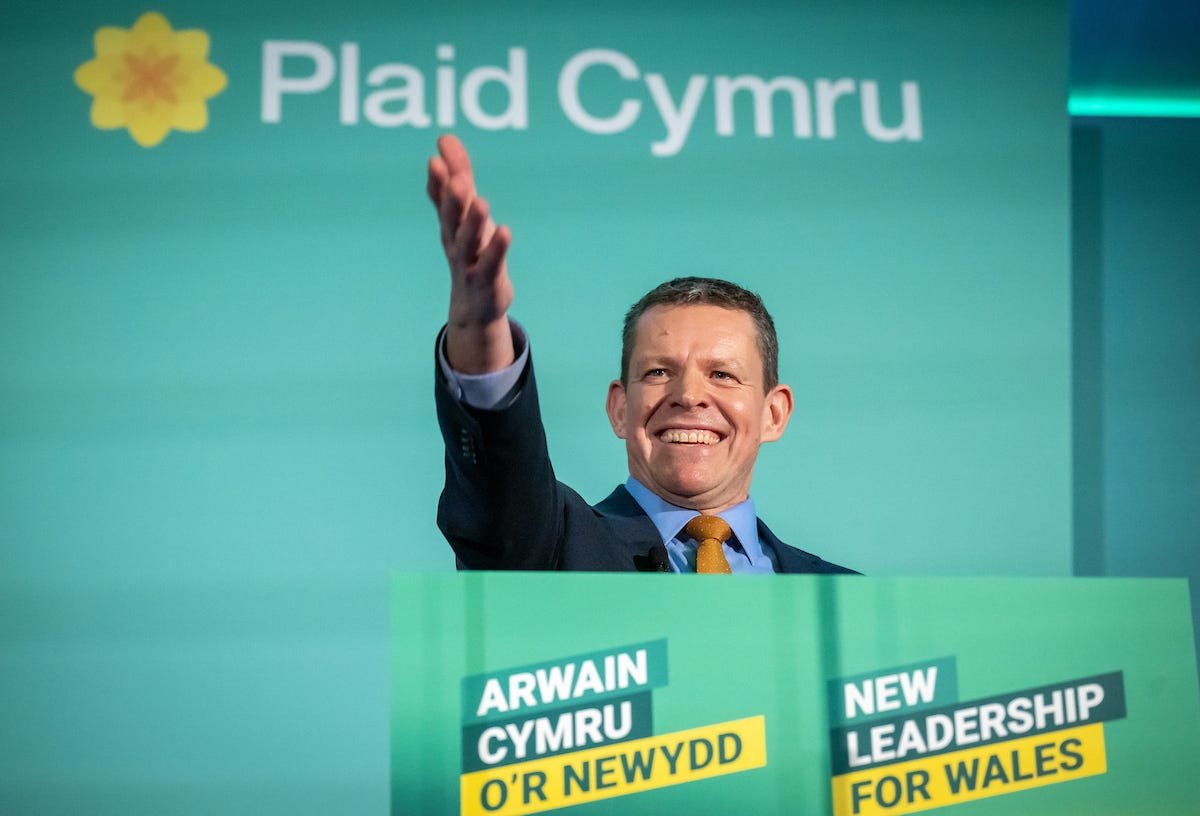
As Wales approaches the 2026 Senedd election, political parties are setting out their visions for the nation’s future — and culture, often overshadowed by debates on health, education, and the economy, has emerged as a surprisingly prominent theme. Plaid Cymru’s newly released manifesto places arts, heritage, creative industries, and the Welsh language at the centre of its long‑term nation‑building agenda.
For the arts and culture sector — a landscape shaped by austerity, rising costs, and shifting audience habits — the document offers a substantial set of proposals. While the election outcome remains unknown, the manifesto itself provides a useful lens through which to examine how one party imagines the cultural life of Wales in the coming decade.
A Cultural Strategy With Structural Ambition
One of the most notable elements of the manifesto is the commitment to replace the current “Priorities for Culture” with a fully funded national cultural strategy. According to the document, this would involve year‑on‑year increases to budgets for arts, culture, heritage, and sport, alongside a “root‑and‑branch” reassessment of how public bodies operate.
For the sector, this signals a shift from short‑term project funding toward a more strategic, long‑term approach. The manifesto frames culture not only as an artistic asset but as a contributor to public health, economic development, and community wellbeing. Whether or not this approach is adopted after the election, it reflects a growing trend across the UK and Europe: treating culture as infrastructure rather than ornament.
Reform of Public Bodies
Plaid Cymru proposes reviewing the roles and structures of Creative Wales, the Arts Council of Wales, Cadw, and Visit Wales. The manifesto does not prescribe specific outcomes, but it raises questions about governance, accountability, and the balance between arms‑length independence and strategic oversight.
For artists, organisations, and freelancers, any reform could reshape funding pathways and decision‑making processes. Supporters of reform may see this as an opportunity to streamline systems and improve transparency; others may be cautious about potential disruption to established structures. The manifesto itself acknowledges the need for sector involvement in any redesign.
Culture as a Public Service
Perhaps the most far‑reaching idea is the proposal to explore a new Culture Act, which could make cultural provision a statutory duty for local authorities, health boards, and national parks. If implemented, this would represent a significant shift in how cultural access is prioritised within public services.
Advocates of statutory protection argue that it could safeguard cultural budgets from cuts and embed arts participation into wellbeing strategies. Critics may question affordability or the practicalities of enforcement. Regardless, the proposal reflects a wider conversation about cultural rights and the role of creativity in civic life.
Access, Equity, and Community Ownership
The manifesto places strong emphasis on widening access to culture. Commitments include maintaining free entry to national museums, continuing discounted access for specific groups, and supporting community ownership of cultural venues through a strengthened “Community Right to Buy.”
These proposals align with ongoing debates about cultural democracy and the survival of grassroots spaces. Many community venues across Wales have faced financial pressures in recent years, and the idea of empowering local ownership has gained traction in several parts of the UK. The manifesto’s approach suggests a belief that cultural participation should be universal, not dependent on geography or income.
Creative Industries as an Economic Priority
Plaid Cymru positions the creative industries as a key growth sector, highlighting skills development, apprenticeships, and support for freelancers. The manifesto also calls for more public procurement opportunities for Welsh creative companies and a stronger link between education and industry.
This reflects a broader recognition of the creative economy’s contribution to Wales — from film and TV production to digital media, publishing, and design. The proposals aim to address long‑standing challenges around workforce stability, career pathways, and the sustainability of freelance labour. As with all economic strategies, the impact would depend on implementation, investment, and collaboration with industry partners.
Broadcasting, Media, and Cultural Sovereignty
The manifesto reiterates Plaid Cymru’s long‑standing ambition for the devolution of broadcasting powers. As an interim measure, it proposes establishing a Shadow Broadcasting and Communications Authority for Wales, alongside support for public interest journalism and media literacy.
These ideas sit within a wider UK‑wide conversation about the future of public service media, local news sustainability, and the representation of nations and regions. While broadcasting policy remains reserved to Westminster, the manifesto’s proposals highlight ongoing debates about cultural autonomy and the visibility of Welsh stories on screen.
Welsh Language: Expansion and Normalisation
The Welsh language features prominently throughout the document, with proposals spanning early years, education, community planning, digital resources, and public services. Targets include increasing Welsh‑medium education and strengthening linguistic rights across sectors.
For cultural organisations, this could influence programming, staffing, and audience development. The manifesto frames the language as both a cultural asset and a living community resource, reflecting long‑standing policy discussions about linguistic vitality and cultural identity.
Tourism, Heritage, and International Profile
The manifesto also touches on cultural tourism, proposing a national heritage events calendar and support for major exhibitions, including the National Contemporary Art Gallery for Wales. These proposals align with efforts to position Wales as a cultural destination and to strengthen its international profile.
What This Means for the Sector — Regardless of Election Outcome
While the manifesto represents the vision of one political party, its publication contributes to a broader national conversation about the future of culture in Wales. Several themes — long‑term investment, community access, creative workforce development, and the integration of culture into public wellbeing — are shared across many cultural policy discussions, both within Wales and internationally.
For artists, organisations, and cultural workers, the document offers insight into how one party imagines the next phase of Wales’ cultural development. As with all election‑period material, the proposals should be understood within the context of political debate, and their implementation would depend on electoral outcomes, budgetary decisions, and cross‑sector collaboration.
What is clear is that culture has moved closer to the centre of political discourse in Wales. Whether through statutory protection, economic strategy, or community empowerment, the conversation about what culture means — and who it is for — is becoming increasingly prominent.