Capel Celyn: A powerful Welsh story of community, loss and displacement
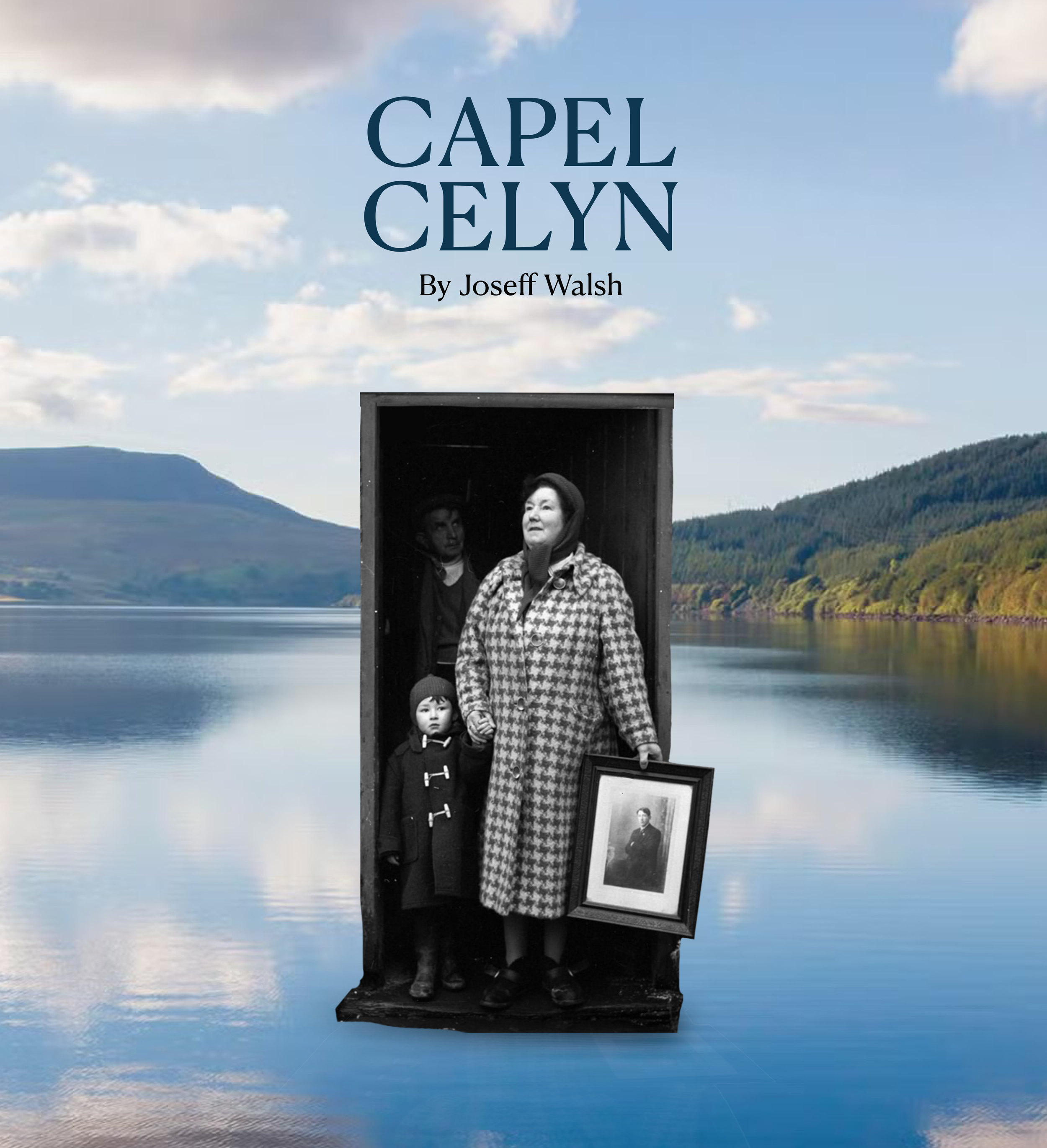
Some stories are so deeply rooted in the history and identity of Wales that they deserve to be told, retold and passed on to future generations. Capel Celyn, written by Joseff Walsh and performed at Porter’s in Cardiff, brings one of the most painful chapters in modern Welsh history to the stage, exploring the human cost of a community lost beneath the waters of a reservoir.
Set in the Welsh-speaking rural community of Capel Celyn in the Tryweryn Valley near Bala, Gwynedd, the play revisits the events that led to the village being deliberately flooded in 1965 to create Llyn Celyn reservoir. Told through the lives of married couple Osian and Arianwen, the production offers a personal perspective on a tragedy that reaches far beyond the loss of homes and farmland. At its heart is a story about belonging, identity and what happens when people are denied a meaningful say in the future of their own community.
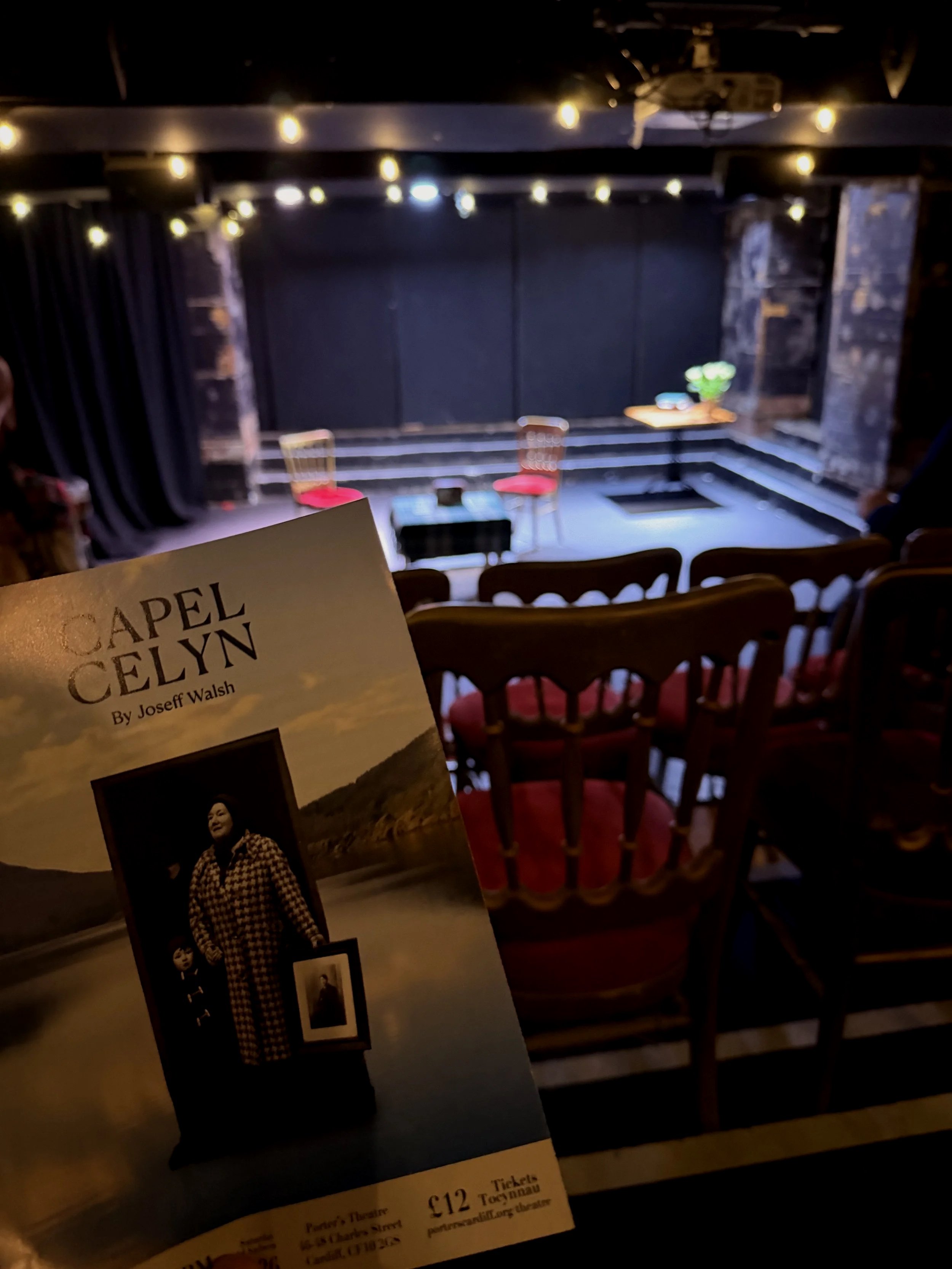
Running at around an hour, this is an intimate production that places its characters and their experiences firmly at the centre of the storytelling. With stripped-back staging and a cast of two, there is little to distract from the emotional weight of the narrative. Instead, the simplicity of the production allows the audience to concentrate on the relationship between Osian and Arianwen, and on the uncertainty that gradually takes hold as the future of their home slips beyond their control.
There is something particularly affecting about exploring such a significant historical event through the everyday lives of an ordinary couple. History books can record the decisions, dates and political arguments, but theatre has the ability to bring us closer to the people who had to live with the consequences. Through Osian and Arianwen, the destruction of Capel Celyn becomes more than a historical event. It becomes a deeply personal experience of displacement, disruption and the loss of everything that makes a place feel like home.
One of the most striking aspects of the story is the sense of powerlessness at its centre. The fate of this community was decided without its residents having a meaningful voice in the process. For a village with its own history, relationships, routines and cultural identity, the consequences were immeasurable. Walsh’s decision to explore this through a marriage gives the story an emotional foundation, allowing the audience to consider not only what was taken from the community, but also what such upheaval might do to the people left to face it.
“A community lost, a story remembered”
While the production works well in its intimate format, I left feeling that the story has the foundations for something even more expansive. There is a wealth of human detail that could be explored in a longer, two-hour production, giving audiences more time to become immersed in the rhythms of village life before everything changes.
I would have loved to spend more time with the wider community: the neighbour keeping an eye on everyone from behind her curtains, the husband going about his daily rounds as the local postman, carrying news from one household to another. These seemingly ordinary encounters could help establish the familiarity, humour and warmth of village life, allowing the audience to understand more fully what was lost when the community was displaced. By building these relationships before the tragedy unfolds, the eventual impact could be even more profound.
This is not a criticism of what the current production sets out to achieve, but rather a reflection of the potential held within Walsh’s writing and the subject itself. There is a compelling, human story here that could comfortably support a more developed theatrical treatment, with a broader cast and a richer picture of life in Capel Celyn before the waters rose.
For now, the stripped-back approach serves the production well. It keeps the focus on the central relationship and the historical injustice at the heart of the narrative, without allowing the staging to overshadow the story. The result is an accessible and thoughtful piece of Welsh theatre that invites its audience to reflect on a defining moment in the nation’s history through the experiences of those whose lives were irrevocably changed.
Capel Celyn is an important story, and one that deserves a place on Welsh stages. Its themes of community, cultural identity, displacement and the right to have a voice remain deeply resonant. By bringing this history into an intimate theatrical setting, Joseff Walsh reminds us that behind every major historical decision are ordinary people whose lives cannot simply be measured in acres of land or the capacity of a reservoir.
With a strong emotional premise, an effective minimalist approach and considerable potential for further development, Capel Celyn is a production worth seeing. I would particularly welcome the opportunity to see this story expanded, allowing audiences to spend more time in the community before witnessing its loss.
Some places disappear from the map, but the stories of the people who called them home should never disappear with them.