Art History Essentials: How Commedia dell'Arte Created the British Pantomime
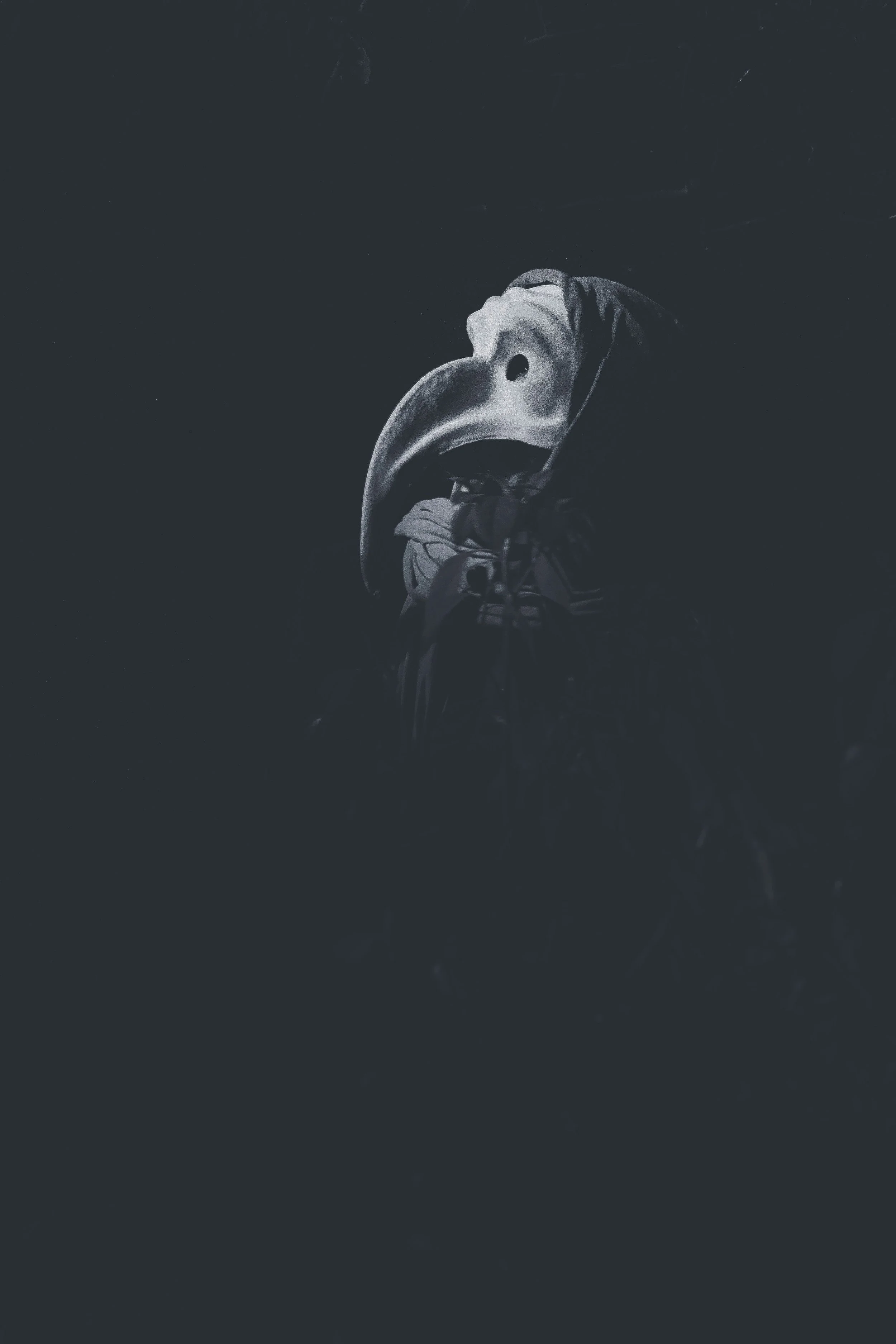
Photo by Fabian TWB
Every Christmas, theatres across Britain come alive with boos for the villain, cheers for the hero, outrageous costumes, audience participation and the inevitable cry of "He's behind you!" But while pantomime feels like one of Britain's most beloved festive traditions, its origins lie hundreds of miles away in the bustling marketplaces of Renaissance Italy.
From Swansea to London's West End, pantomime is woven into the fabric of Christmas. Families return year after year to see familiar faces, laugh at topical jokes and enjoy stories they already know by heart. It feels quintessentially British.
Yet the foundations of modern pantomime were laid almost 500 years ago by travelling actors performing in public squares across Italy.
Their theatre was loud, physical, chaotic and brilliantly funny. It was known as Commedia dell'Arte, and without it, British pantomime as we know it simply would not exist.
What is Commedia dell'Arte?
Commedia dell'Arte, which translates as "Comedy of the Profession", emerged in northern Italy during the mid-sixteenth century.
Unlike the carefully scripted plays performed in royal courts, Commedia belonged to the people.
Professional acting companies travelled from town to town, setting up temporary stages in marketplaces, courtyards and public squares. Their audiences were ordinary working people rather than wealthy aristocrats, and their performances reflected that. They were energetic, fast-paced, irreverent and full of slapstick humour.
Rather than performing from complete scripts, actors worked from simple plot outlines known as scenari. These contained the basic story, but much of the dialogue was improvised, allowing performers to react to their audience, local events and whatever unexpected chaos unfolded during the performance.
In many ways, every show was unique, it was theatre that lived in the moment.
The Characters Everyone Recognised
One of Commedia dell'Arte's greatest innovations was its use of stock characters.
Audiences immediately knew who each person was simply by their costume, mask and physical mannerisms. Instead of introducing new personalities every performance, actors perfected a single character over many years.
Among the most famous were:
Harlequin (Arlecchino) – the agile, mischievous servant whose acrobatics and comic misunderstandings often drove the action.
Pantalone – the wealthy but miserly old merchant, obsessed with money and forever trying to control everyone around him.
Colombina – the intelligent maid who usually understood what was happening long before anyone else and frequently outwitted the men around her.
Il Dottore – the pompous scholar who spoke endlessly but somehow knew remarkably little.
The Lovers (Gli Innamorati) – young, beautiful and hopelessly dramatic, whose romance was constantly interrupted by everyone else.
Most performers wore distinctive leather masks, meaning facial expressions became less important than movement. Actors relied on exaggerated gestures, physical comedy and spectacular timing to bring their characters to life.
It is no coincidence that these larger-than-life personalities still feel familiar today.
The Origins of British Pantomime
While British pantomime evolved over centuries, particularly during the eighteenth and nineteenth centuries, its DNA can be traced directly back to Commedia dell'Arte.
Many of the characters we still see every Christmas have clear Italian ancestors.
The Pantomime Dame, traditionally played by a man in extravagant costume, echoes Commedia's comic servant tradition, where exaggerated performances and playful gender roles were commonplace.
The swaggering Villain, the lovable Comic Sidekick, the foolish authority figure and even the earnest young hero all have roots in those original Italian stock characters.
Even more importantly, Commedia established the style of performance that defines pantomime today.
Techniques such as; Physical comedy, audience interaction, breaking the fourth wall, improvisation, topical humour were applied.
These are not modern inventions, they have entertained audiences for centuries.
Why Pantomime Feels Different Every Year
One of the most fascinating similarities between Commedia dell'Arte and modern pantomime is the importance of the performer.
Today's audiences often return to see a favourite Dame or comic actor just as much as they come to see Cinderella or Jack and the Beanstalk.
The same was true in Renaissance Italy.
People followed acting companies because they loved particular performers and knew exactly which characters they would play. An actor might spend decades perfecting a single role, becoming inseparable from that character in the public imagination.
It is a tradition that continues today in theatres across the United Kingdom.
When favourite performers return each Christmas, they are participating in a theatrical custom that stretches back nearly half a millennium.
Why Audience Participation Matters
Perhaps the greatest legacy of Commedia dell'Arte is its relationship with the audience.
Unlike many forms of theatre, the performers never pretended the audience wasn't there.
They responded to laughter and adapted jokes that fell flat.
They commented on local politics, public figures and current events.
If something unexpected happened in the crowd, it often became part of the performance, and today modern pantomime embraces exactly the same philosophy.
The audience shouts warnings to the hero,children argue with the villain and the part that always impresses me is when the performers ad-lib about local landmarks, celebrities and news stories totally off the cuff.
Every performance becomes unique because the audience helps create it.
That spirit of improvisation is one of the reasons pantomime continues to feel fresh, even when we already know exactly how the story will end.
Why Commedia dell'Arte Still Matters
It is remarkable that a theatrical form developed in sixteenth-century Italy continues to shape Christmas entertainment in Britain.
Commedia dell'Arte influenced not only pantomime but also opera, ballet, circus performance, silent film comedy and even modern sitcoms. Characters such as Harlequin became cultural icons across Europe, inspiring painters including Pablo Picasso, choreographers and playwrights alike.
Its influence reaches far beyond the stage.
Whenever a comedy relies on recognisable character types, exaggerated physical humour or quick-witted improvisation, there is often a trace of Commedia dell'Arte somewhere in its history.
A Living Tradition
As this year's pantomime season approaches, theatres across the country are once again announcing their casts, ready to entertain audiences of all ages.
Whether it is a returning Dame, a familiar comic actor or a new face joining the company, each production continues a theatrical tradition that began in the marketplaces of Renaissance Italy almost 500 years ago.
Behind every "Oh yes it is!", every villainous entrance and every burst of slapstick chaos lies the enduring legacy of Commedia dell'Arte.
It reminds us that while theatre continues to evolve, the things audiences love most have remained remarkably consistent.
We still laugh at exaggerated characters, we still enjoy stories where good triumphs over evil.
And, just as audiences did five centuries ago, we still love the feeling that a performance is happening especially for us.
Art History Essentials
Art History Essentials is our weekly series exploring the artists, movements and ideas that have shaped art and culture. Each article expands on the topics discussed in our weekly podcast Pain in the Arts, taking a deeper look at the fascinating history behind the world's greatest artistic traditions. You can listen to Pain in The Arts Podcast here.