Annwn Prize 2027 reveals global longlist celebrating the future of immersive storytelling
Fourteen innovative immersive storytelling works from around the world have been selected for the Annwn Prize 2027, with the finalists set to be exhibited at Wales Millennium Centre next year.
The Annwn Prize 2027 has revealed its longlist, bringing together 14 ambitious works from across the international immersive storytelling scene.
Announced at The Big Thing conference in Llandudno on Wednesday 9 September, this year’s longlist showcases some of the most inventive immersive work created over the past 18 months, spanning virtual reality, mixed reality, interactive theatre, installation and multisensory experiences.
Now in its second year, the Annwn Prize was created by Wales Millennium Centre, with support from Crossover Labs and Peter and Janet Swinburn. It is the first global award of its kind to specifically celebrate immersive storytelling and work that places audiences at the centre of an experience.
Rather than simply watching a story unfold, immersive storytelling invites audiences to become part of it. The 14 works selected for this year’s prize demonstrate just how far the form is developing, using creative technology to explore everything from grief and identity to climate change, war, mortality and our relationship with the natural world.
Meet the Annwn Prize 2027 longlist
The 14 selected works come from Europe, the Middle East, Asia, Australia, Canada and the USA, highlighting the increasingly international nature of immersive art and storytelling.
The longlist includes:
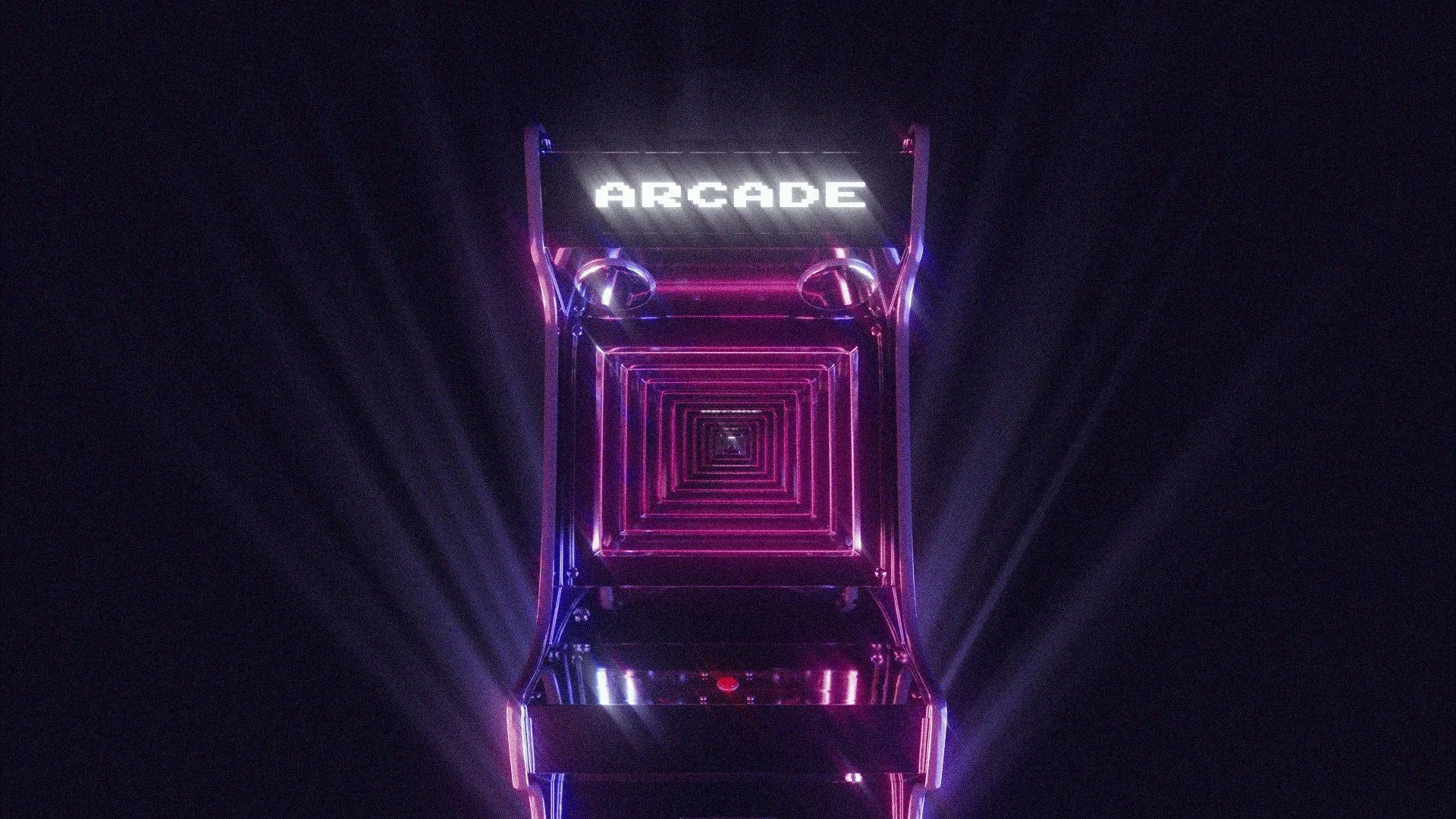
Arcade by DARKFIELD, UK
Set inside a darkened shipping container, Arcade takes inspiration from 1980s arcade games and creates a branching narrative where audience choices influence the experience. Sensory effects are used to explore free will, consciousness and conflict.
Black Cats & Chequered Flags by MIAT, Italy/UK
This multiplayer mixed and virtual reality experience explores the life of Formula One champion Alberto Ascari. Combining archival material, immersive storytelling and collaborative gameplay, it explores speed, superstition and fate.
Blur by Craig Quintero and Phoebe Greenberg, PHI Studio, Canada/Taipei/Greece
A mixed reality theatre experience set in a near future where scientific advances challenge our understanding of life and death. Live performance and virtual worlds come together in a story about cloning, grief and resurrection.
Dark Rooms by Makropol, Denmark/Germany/Taipei
Drawing on real personal stories, this immersive documentary VR experience explores sexuality, self-discovery, identity and human connection through co-created narratives.
Fossilised Futures by Marco Barotti and Robertina Šebjanič, Germany/Slovenia
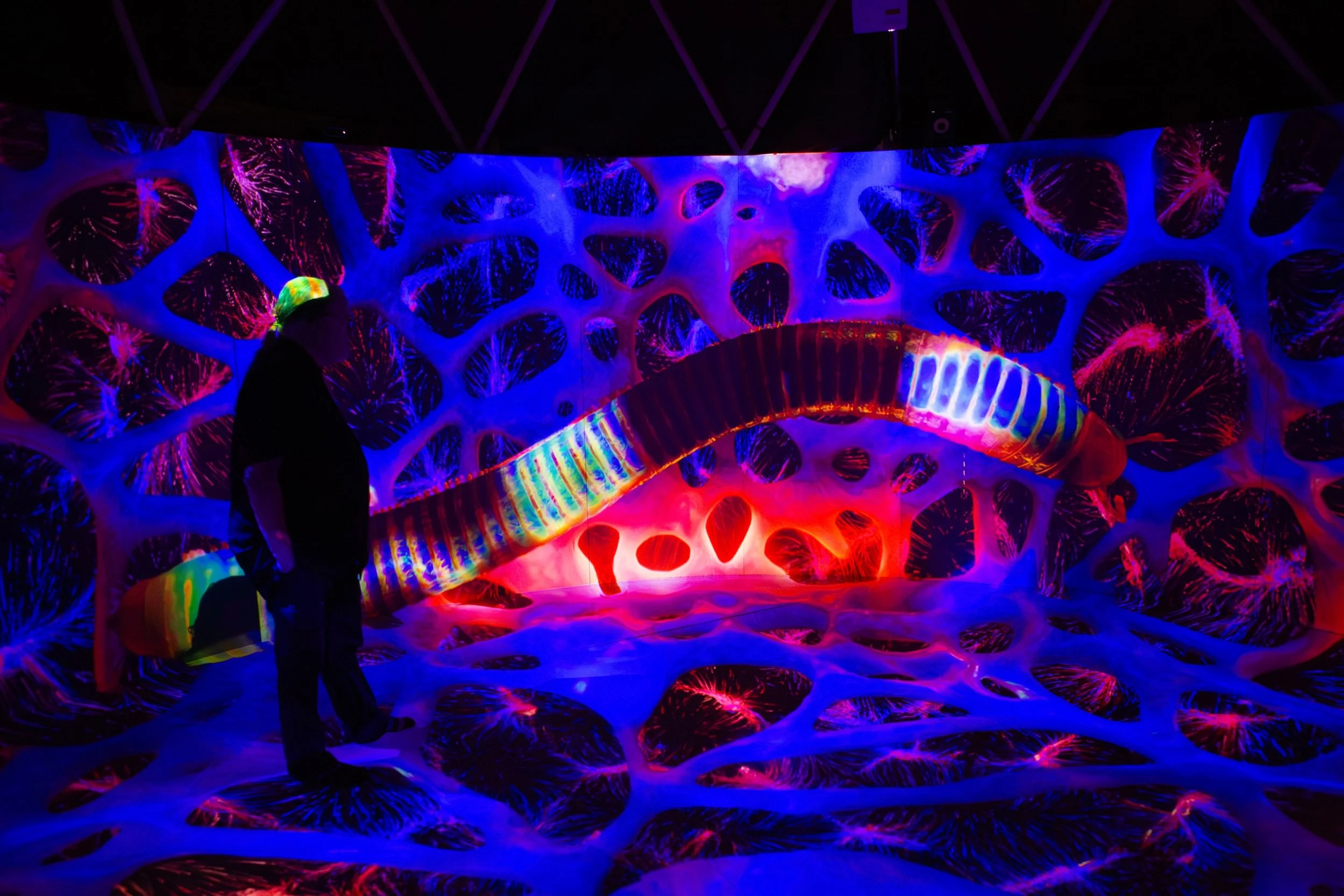
Part immersive digital opera and part environmental artwork, Fossilised Futures combines kinetic sculpture, AI-generated imagery and environmental data. Audiences move through ancient ecosystems, present-day landscapes and imagined futures shaped by rivers, mythology and ecology.
Gondwana by Emma Roberts and Ben Andrews, Australia
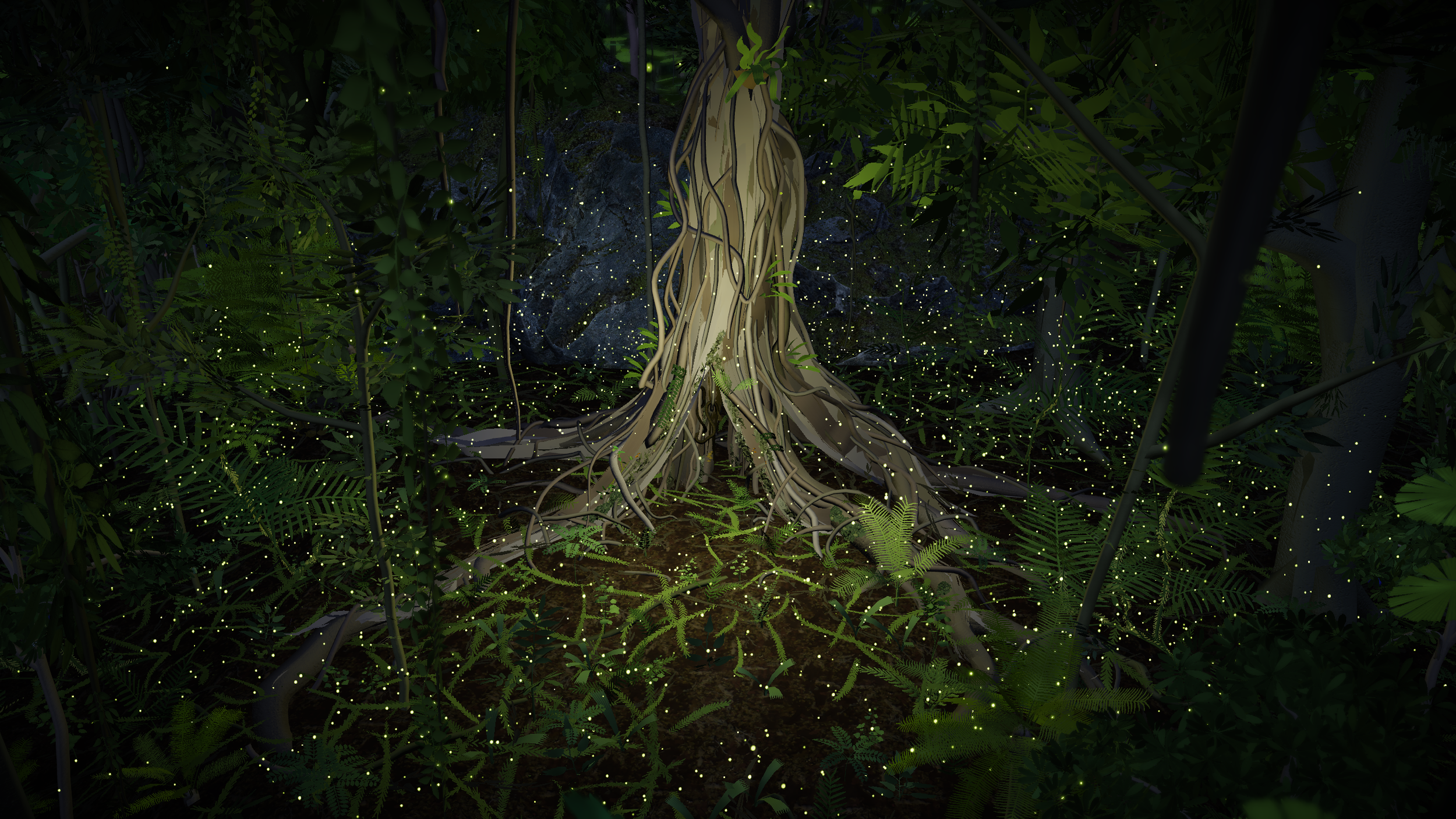
Set within Australia’s Daintree Rainforest, this durational VR experience uses climate projections to show an ecosystem changing over time. The work asks audiences to consider environmental change, resilience and loss.
In 36,000 Ways by Karim Ben Khelifa, Germany
This powerful sensory installation uses missile fragments recovered from the frontline in Ukraine. A visitor’s heartbeat becomes part of a responsive soundscape, transforming the experience of war from something witnessed at a distance into something that can be physically felt.
Mekwâc: “Now Is Good” by James Monkman, Canada
Rooted in Cree teachings, this immersive installation guides participants through the Four Directions and different stages of life. At its heart is an exploration of the relationship between people, land, animals and community.
MIRAGE by Naima Karim and Aleena Hanif, Saudi Arabia/Netherlands
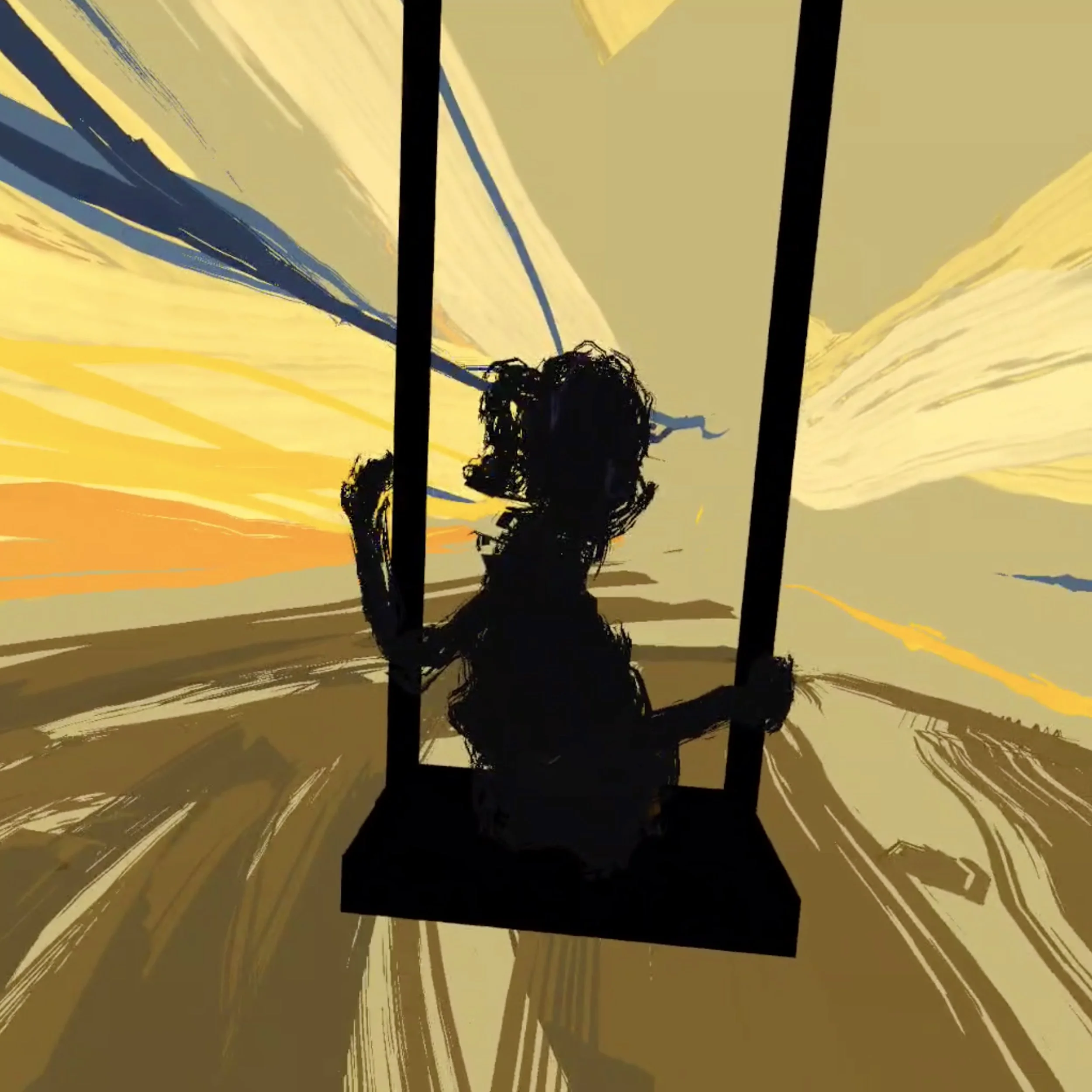
This interactive VR experience explores depression and anxiety through the story of a young girl in a symbolic desert landscape. Hand-tracking, spatial audio and haptics allow audiences to interact with the experience and explore ideas around empathy and support.
Sense of Nowhere by Hsin-Hsuan Yeh, Taipei/Finland/Belgium/Portugal/France
A contemplative VR journey inspired by associative thinking, Taoism and Buddhism. Through hand gestures and shifting inner and outer landscapes, audiences are encouraged to reconnect with the present moment.
Temping by Wolf359, USA
Audiences are placed alone inside an office cubicle, where seemingly ordinary workplace tasks gradually reveal a much bigger story about mortality, technology, isolation and what gives human life meaning.
The Baby Factory Is Closed by Deepa Mann-Kler, UK
This immersive VR experience places audiences inside the body of Zoraan, a British-born Sikh woman navigating menopause, climate collapse and colonial medicine. Biofeedback and embodied storytelling create an experience that connects the personal, political and physical.
The Clouds Are Two Thousand Meters Up by Singing Chen, Taiwan/Germany
Following a man’s sudden loss of his wife, this free-roaming VR experience takes audiences into a dreamlike landscape inspired by an unfinished novel. Memory, Indigenous mythology, love and grief come together in an exploration of loss.
Voooooo—Peeeeee— by Ubac Studio, South Korea
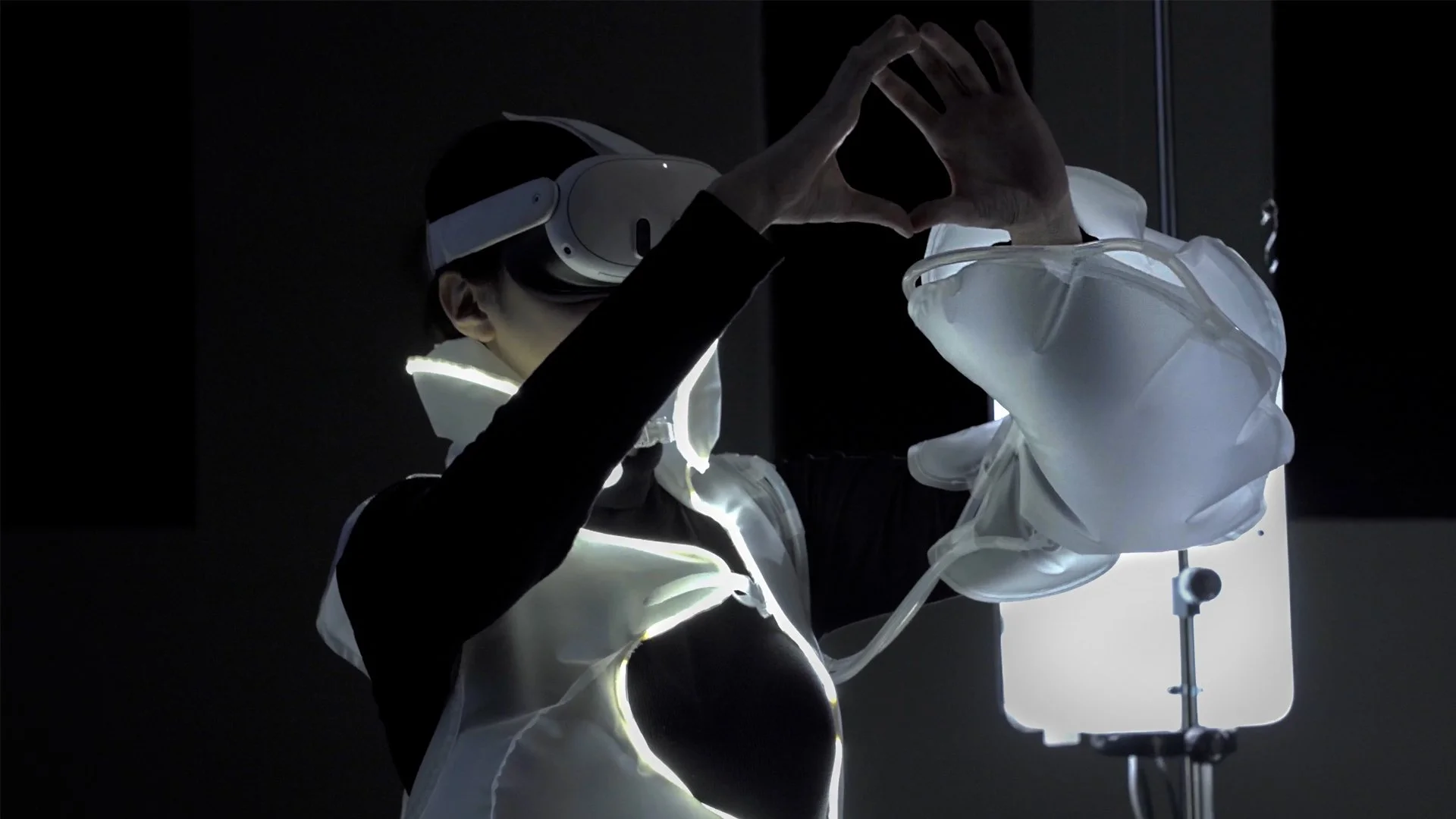
This multisensory XR experience follows a woman whose body becomes hollow after being rebuilt as data. Combining VR cinema with a wearable pneumatic interface, the work questions what technology could mean for our understanding of the human body.
Stories that put audiences at the centre
While the 14 works use very different technologies and creative approaches, there are some striking themes running throughout the longlist.
Grief and loss feature heavily in The Clouds Are Two Thousand Meters Up and Blur, while Mekwâc: “Now Is Good” and Dark Rooms explore memory, identity and connection.
MIRAGE and Sense of Nowhere look inward, using immersive technology to explore anxiety, depression and the mind. Meanwhile, The Baby Factory Is Closed, Temping and Voooooo—Peeeeee— all consider the body, mortality and what it means to be human in an increasingly technological world.
Environmental change is at the heart of Gondwana and Fossilised Futures, while other works look outward to history, conflict and popular culture.
Black Cats & Chequered Flags delves into the archives of Formula One, In 36,000 Ways brings audiences closer to the reality of the war in Ukraine, and Arcade uses the language of gaming to question free will and consciousness.
Together, the works demonstrate the extraordinary range of immersive storytelling currently being developed around the world.
Immersive art comes to Wales
The Annwn Prize is particularly significant for Wales, with Wales Millennium Centre positioning itself as a growing home for immersive experiences and creative technology.
The inaugural Annwn Prize in 2026 was awarded to French collective Novaya for Colored | Noire, an augmented reality experience that placed audiences within the American civil rights struggle of the 1950s.
The four shortlisted works were subsequently presented in an exhibition at Wales Millennium Centre, attracting 2,271 visitors and giving audiences in Wales the chance to experience internationally acclaimed immersive work.
Graeme Farrow, Chief Creative and Content Officer at Wales Millennium Centre, said the prize is part of the organisation’s longer-term commitment to immersive storytelling in Wales, including plans to work towards a purpose-built home for immersive experiences by 2030.
David Massey, Executive Producer, Creative Technology and Storytelling at Wales Millennium Centre, also highlighted the increasingly ambitious nature of the work being created.
He said the 14 selected projects represent “very sophisticated, ambitious story driven works” and offer a snapshot of where immersive storytelling is heading.
When will the Annwn Prize finalists be announced?
The 14 longlisted works will now be considered by a committee of industry experts, who will select the final shortlist.
The Annwn Prize 2027 finalists will be announced on 28 January 2027.
The shortlisted works will then be brought together for a major immersive storytelling exhibition at Wales Millennium Centre in Cardiff from 10 May to 27 June 2027.
Tickets for the exhibition are expected to go on sale in early 2027, giving audiences the opportunity to experience the finalist works for themselves before an independent jury selects the overall winner.
The winning artist or studio will receive a £20,000 prize, alongside a bespoke residency designed to support the development of new work.
With immersive art continuing to blur the boundaries between theatre, visual art, technology and storytelling, the Annwn Prize offers an intriguing glimpse into where the creative industries could be heading next.
And with some of the world’s most exciting immersive work set to arrive in Cardiff in 2027, Wales looks set to play an increasingly important role in that future.