A Man for All Seasons: Power, Politics and Principle
There are few periods in British history quite as theatrical as the Tudor court. Murder, marriage, religion, political ambition and the question of who ultimately holds the power all collide in Robert Bolt’s A Man for All Seasons, currently playing at Cardiff’s New Theatre.
For anyone with even a passing interest in history, this production is something of a treat.
Written in 1960, Bolt’s play tells the story of Sir Thomas More, the lawyer, statesman and former Lord Chancellor who found himself caught between his loyalty to King Henry VIII and his own conscience. When Henry sought to end his marriage to Catherine of Aragon so that he could marry Anne Boleyn, More refused to support the King’s actions. His silence would ultimately prove just as dangerous as open opposition.
That historical conflict sits at the heart of the production, but what makes A Man for All Seasons so compelling is that it is not simply a dramatisation of Tudor history. It is a story about power, political pressure and what happens when an individual refuses to compromise their principles.
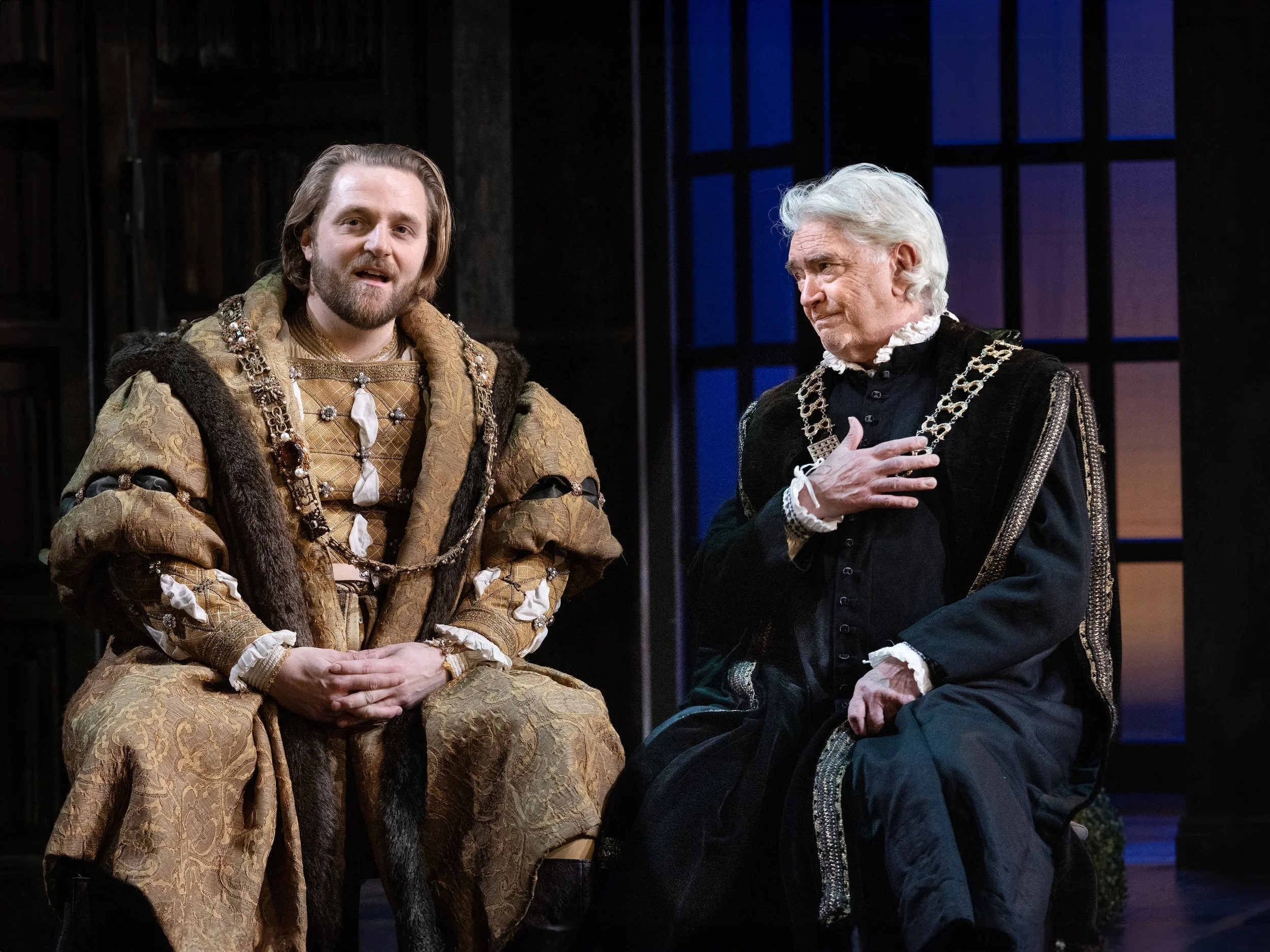
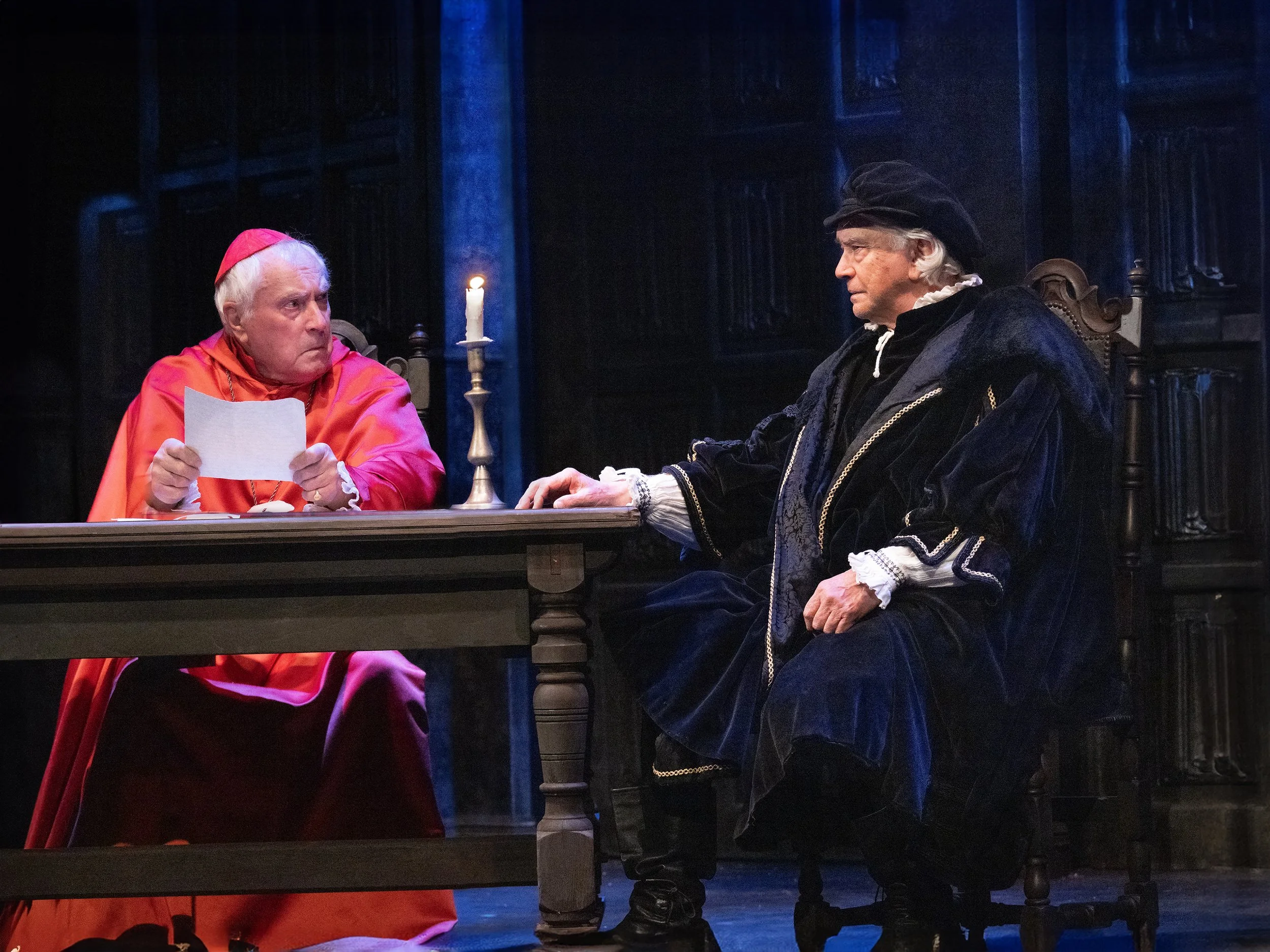
Martin Shaw takes on the role of Thomas More, bringing a commanding presence to a man who finds himself increasingly isolated as the political machinery of Henry VIII’s court turns against him. Paul Kemp, as The Common Man, provides an important counterpoint, helping to guide us through the story while offering moments of humour amidst an increasingly serious political drama.
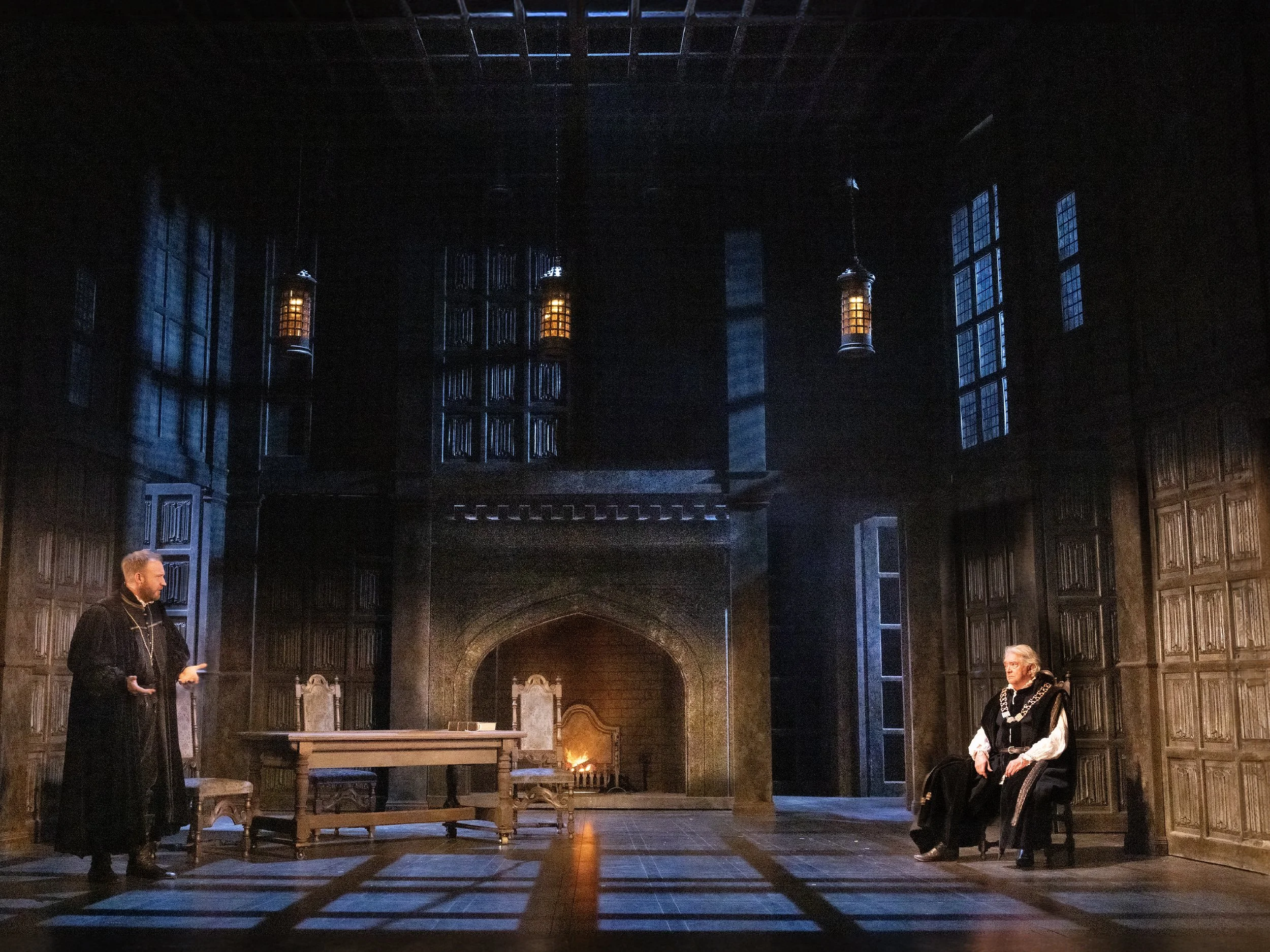
The staging is particularly impressive. From the moment you enter the theatre, the production throws you into the political centre of Tudor England. The wooden-clad walls create the feeling of stepping inside a Tudor manor, immediately establishing a world of power, secrecy and intrigue.
“A beautifully staged journey into the political heart of Tudor England - ★★★★☆”
It is a wonderfully atmospheric setting for the story. Rather than feeling like a contemporary theatre dressed up as the sixteenth century, the design creates the impression that we have been transported into the corridors and halls where these decisions might actually have been made. For a history enthusiast, there is something particularly satisfying about watching the political machinations of Henry VIII’s reign unfold against such a strong visual backdrop.
And there is plenty of political machination to enjoy. Behind More’s quiet resistance sits a world of ambition, manipulation and competing loyalties. The production captures the danger of the Tudor court without needing to turn every moment into spectacle. Often, the most powerful exchanges are simply people attempting to outmanoeuvre one another with words.
What makes More’s story particularly fascinating is that his resistance is not necessarily loud or dramatic. His position is rooted in conscience, and Bolt’s play asks how much silence can say when everyone around you is demanding an answer.
More than sixty years after its first performance, A Man for All Seasons still has plenty to say about political power and personal integrity. The Tudor setting may be centuries removed from our own, but the question at its centre remains remarkably recognisable: what happens when the demands of those in power come into conflict with what you believe to be right?
With strong performances, fantastic period staging and a fascinating journey into one of the most turbulent chapters of British history, this is a production that should particularly appeal to anyone fascinated by the Tudors.
A Man for All Seasons is a beautifully staged piece of historical theatre that brings Robert Bolt’s classic drama vividly to life.
To get your tickets to A Man for All Seasons head to the New Theatre’s website here.
A beautifully staged journey into the political heart of Tudor England - ★★★★☆